
 English
 简体中文
 Русский
 Français
 Português
 Español


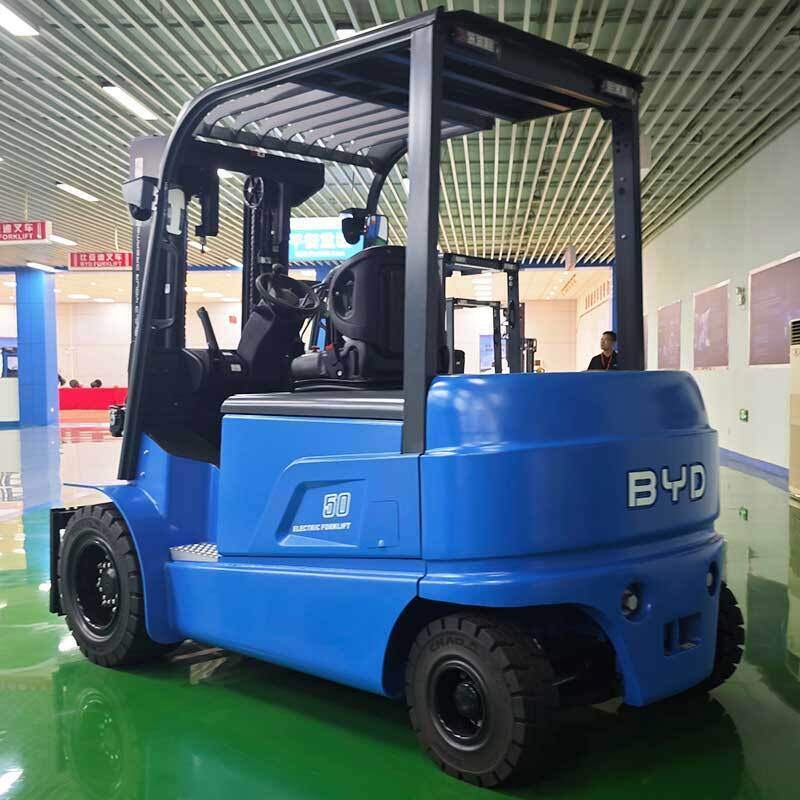
As the core equipment for modern warehouse material handling, electric forklifts are widely used in logistics, manufacturing and retail distribution scenarios due to their low noise, zero local emission and flexible operation characteristics. Mastering standardized use and maintenance methods can help operators give full play to the equipment’s advantages while reducing unnecessary failure risks.
Core Pre-operation Inspection Specifications
Before starting the equipment every day, operators need to complete basic checks around the vehicle, including confirming the battery power level, checking the wear condition of driving wheels and load forks, testing the flexibility of lifting and steering mechanisms, and verifying the normal function of warning lights and braking systems. Any abnormal signs found during inspection should be recorded and reported to the management team in time, and no operation is allowed before hidden dangers are eliminated.
Standard Operation Best Practices
During the operation process, operators need to keep the load center within the allowable range specified by the equipment parameters, avoid overloading or lifting unbalanced goods for a long time. When driving on ramp or uneven ground, keep the running speed at low level, and avoid sudden steering or emergency braking as much as possible. When working in narrow warehouse aisles, operators need to pay close attention to the surrounding personnel and obstacle distribution, and use the sound reminder function properly when turning or reversing.
Regular Maintenance to Extend Service Life
After the daily operation is completed, operators need to park the forklift in the designated area, lower the load fork to the horizontal position close to the ground, and turn off the power supply before leaving. For the battery pack, follow the specified charging process, avoid over-discharging or long-term overcharging, and regularly clean the dust on the surface of the battery and electrical connection points. Regularly lubricate the rotating and sliding parts of the lifting system according to the use frequency, which can effectively reduce component wear and reduce the probability of sudden failure during peak operation periods.
Energy Efficiency Optimization Suggestions
Reasonable route planning before centralized handling operation can reduce unnecessary repeated driving, effectively reduce power consumption and improve the single-shift operation efficiency. For long-term idle scenarios longer than 5 minutes, turning off the power system can avoid unnecessary energy consumption, and also reduce the idle loss of electrical components.


