
 English
 简体中文
 Русский
 Français
 Português
 Español


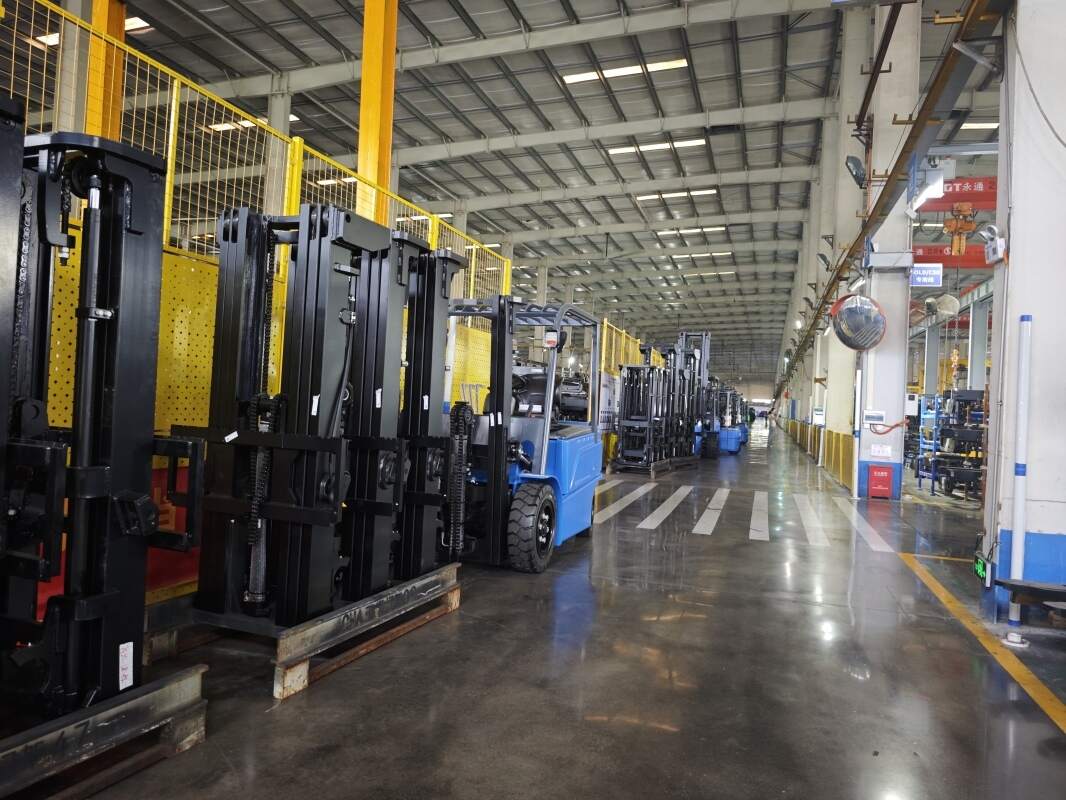
Against the background of continuous popularization of green industrial logistics solutions, electric forklifts have gradually become one of the most widely used loading and handling equipment in closed warehouse, cold chain storage and retail distribution scenarios. Mastering correct usage rules and maintenance knowledge can help relevant operators give full play to the value of such equipment in daily work.
Core Practical Advantages of Electric Forklifts
Different from traditional fuel-powered handling equipment, modern electric forklifts produce no exhaust emission at the operation site, which can effectively avoid air pollution to the closed warehouse space and reduce the hidden health risks for long-term on-site staff. The overall operation noise of the equipment is kept at a relatively low level, which will not cause excessive noise interference to the surrounding working environment, and is more suitable for use in scenarios requiring quiet operation, such as e-commerce sorting centers and pharmaceutical storage warehouses. The power output of the electric power system is more stable and continuous, which can reduce the jitter probability of the lifting platform during the operation process, and lower the risk of damage to fragile or precision loaded goods.
Standardized Daily Operation Requirements
Before starting the equipment every day, operators need to complete necessary pre-check work, including testing the flexibility of the brake system, confirming the remaining power level, checking the normal operation of the warning light and alarm device, and checking whether the tire surface has obvious foreign matters or damage. During the driving process, operators need to keep the driving speed matching the on-site road condition, slow down in narrow channels and areas with dense pedestrian flow, and avoid sudden braking or sharp steering as far as possible. The actual load during operation shall not exceed the rated load range marked by the equipment, and the staff shall not extend any part of the body out of the equipment protection frame during the handling process.
Routine Maintenance Suggestions
In daily maintenance work, operators need to regularly clean the dust and sundries accumulated on the surface of the power battery, check whether the connection points of the circuit are loose or corroded, and avoid long-term over-discharge of the battery to extend the overall service life of the power system. The transmission part and the lifting hinge structure can be lubricated according to the specified cycle to reduce the wear degree of parts. When the equipment is not used for a long time, it is necessary to park it in a dry and ventilated position, keep the battery remaining power at a reasonable level, and avoid long-term exposure to strong sunlight or rain soaking. Standardized operation and proper maintenance can effectively reduce the failure rate of electric forklifts, lower the comprehensive operation cost of the storage site, and create more stable support for the daily material handling work.


