
 English
 简体中文
 Русский
 Français
 Português
 Español


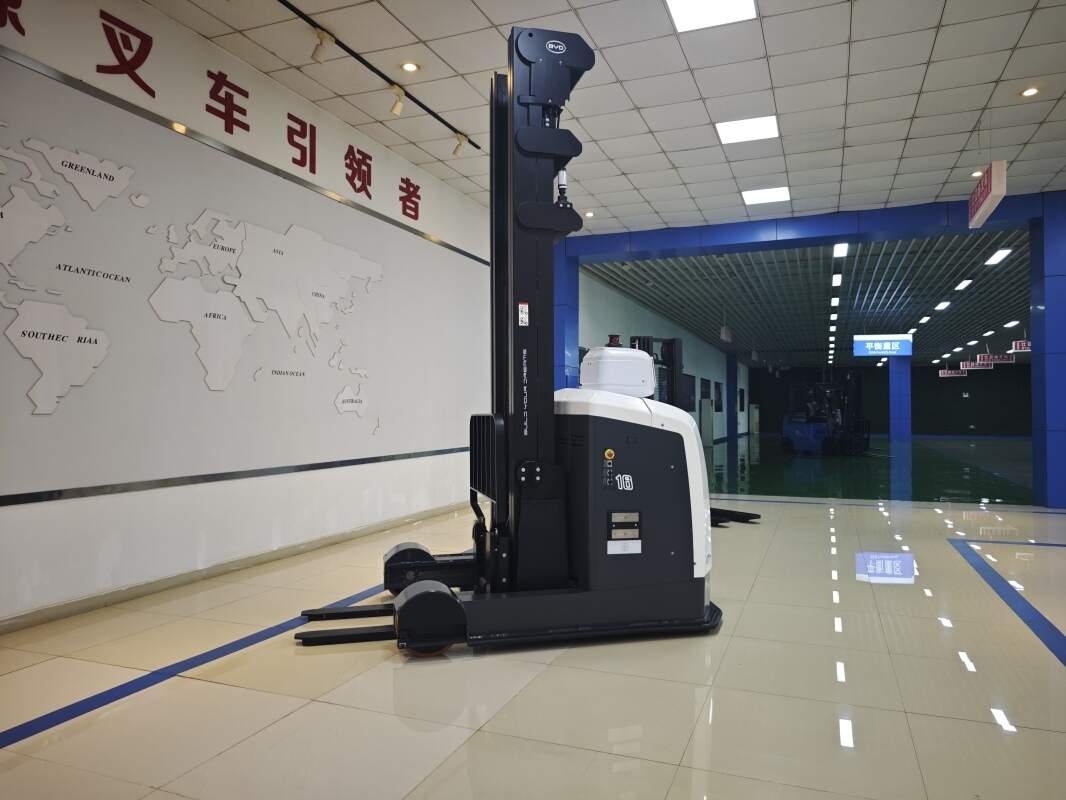
As low-carbon logistics becomes a core trend across the industrial sector, electric forklifts have gained wider adoption in various warehousing and material handling scenarios in recent years. This guide sorts out targeted practical knowledge for frontline operators and warehouse managers to make full use of the value of electric handling equipment.
Core Functional Advantages of Electric Forklifts
Compared with traditional fuel-powered handling equipment, electric forklifts produce no local exhaust emissions during operation, which fits the air quality control requirements of enclosed indoor warehouses, food processing storage and other scenarios with strict environmental standards. The overall operation noise level is relatively low, which reduces noise interference to on-site staff and creates a more comfortable working environment. The vibration generated during the operation process is also smaller, which reduces the risk of damage to fragile high-value goods during handling.
Standardized Operation Specifications for Daily Use
Before each shift of operation, operators need to complete a basic inspection including remaining battery level, braking system sensitivity, lifting hydraulic system tightness and surrounding safety status. Operators should not exceed the rated load capacity marked on the nameplate when transporting goods, and slow down in advance when turning or passing narrow aisles to avoid collisions with shelves or passing personnel. For long distance transfer between different areas of the warehouse, it is recommended to keep a stable running speed to avoid frequent sudden acceleration and deceleration.
Routine Maintenance Guidelines to Stabilize Performance
Daily regular maintenance helps to extend the overall service cycle of electric forklifts and reduce unexpected failure rate. Operators need to clean the dust on the surface of the equipment and the battery contacts after each use, check the liquid level of the hydraulic oil and the wear degree of the tire tread every week, and clear the accumulated debris near the heat dissipation vents regularly. It is not recommended to discharge the power battery to extremely low level before charging, and the charging area should be kept dry and ventilated to avoid potential safety risks.
Energy Efficiency Optimization Suggestions
Warehouse managers can reasonably plan the daily handling route according to the location of goods in and out, to reduce unnecessary no-load driving distance. When the equipment needs to stay for more than 5 minutes during operation, it is recommended to turn off the power system properly to avoid unnecessary power consumption. Select electric forklifts with matching load parameters according to the maximum weight of daily handling goods, to avoid unnecessary energy waste caused by mismatched model specifications.


