
 English
 简体中文
 Русский
 Français
 Português
 Español


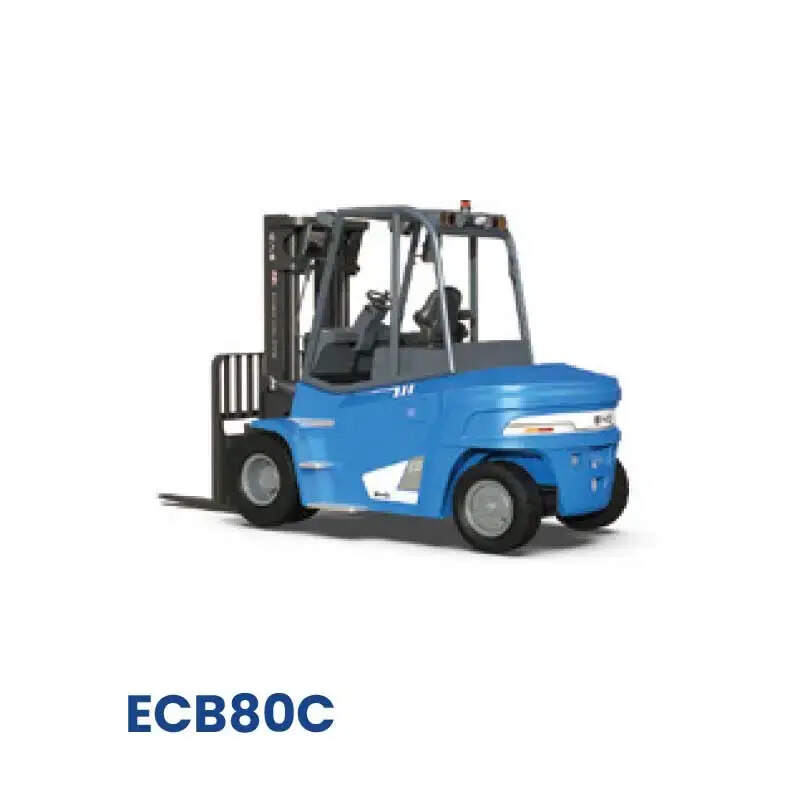
As low-carbon logistics concepts continue to gain popularity across the industrial sector, electric forklifts have become one of the most widely applied material handling equipment in closed warehouses, distribution centers and light manufacturing workshops. Mastering correct use and maintenance knowledge can give full play to the inherent advantages of the equipment, and create more stable value for daily operation.
Core Advantages of Electric Forklifts in Daily Operation
Compared with traditional internal combustion power models, electric forklifts produce no exhaust emissions on site, which avoids the need for additional ventilation equipment in enclosed operation spaces, and reduces the air pollution risk for on-site workers. The low vibration and low noise design also effectively lowers the fatigue level of operators who need to drive equipment for multiple consecutive hours, and the power consumption cost in the full operation cycle is relatively lower than the fuel cost of similar power internal combustion equipment, which helps to control the long-term operation expenditure of the logistics system.
Standard Operation Norms for Daily Use
Operators need to receive systematic pre-job training before officially using electric forklifts, and complete a series of pre-start inspections including remaining battery power, brake sensitivity, fork wear status and lighting function confirmation. In the process of operation, operators need to avoid overloading the equipment beyond the rated load capacity, slow down in advance when turning or passing through narrow aisles, keep the fork at a low stable position when driving on the ramp, and do not adjust the lifting height of goods during high-speed driving. Avoid keeping the motor in high-speed no-load state for a long time during short parking intervals, which can reduce unnecessary power consumption.
Scientific Daily Maintenance Routine
After each shift is completed, operators need to clean up the debris attached to the surface of the car body, the gap of the driving wheel and the vicinity of the battery compartment in time, to prevent dust accumulation from affecting the heat dissipation effect of the core components. The power battery shall be charged in strict accordance with the specified process, and frequent full discharge before replenishing power shall be avoided, and the oxidation degree of the battery connection terminals shall be checked regularly. The staff in charge of equipment management shall regularly check the sealing performance of the hydraulic system, replenish lubricating grease for the transmission parts on schedule, and arrange professional personnel to troubleshoot in time once abnormal operation noise or unsmooth operation is found, and do not force the equipment to run with hidden dangers.
Scenario-based Performance Optimization Suggestions
For operation scenarios with extremely low ambient temperature such as cold storage, you can install a special thermal insulation kit for the battery to maintain a stable discharge efficiency of the power unit within the normal working temperature range. For high-throughput warehouses that need to run equipment continuously for more than 8 hours a day, you can arrange a reasonable power replenishment plan during the non-peak period of goods handling, so as to reduce the waiting time of equipment for charging. Regularly calibrate the limit sensor of the fork to avoid the safety risk caused by the lifting height exceeding the design threshold.


