
 English
 简体中文
 Русский
 Français
 Português
 Español


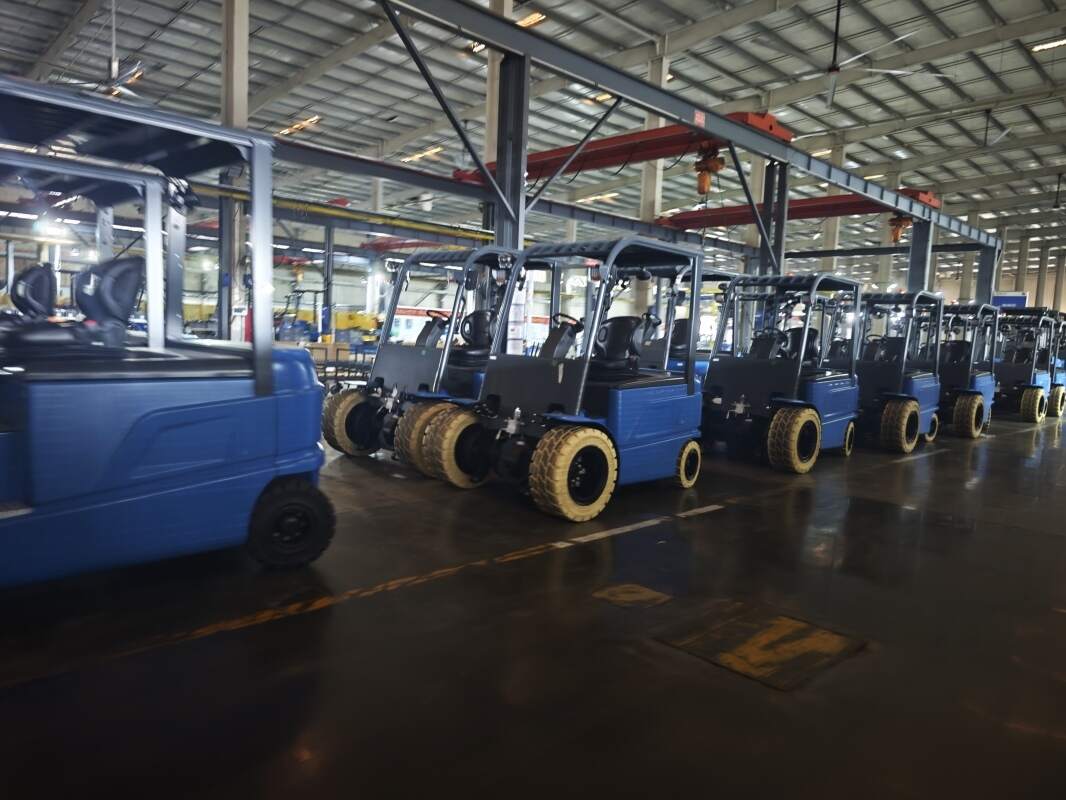
As the global logistics industry gradually shifts to low-carbon and high-efficiency operation modes, electric forklifts have become one of the most widely used material handling equipment in indoor warehouses, manufacturing workshops and distribution centers in recent years. Many frontline practitioners lack systematic cognition of its operation logic and maintenance rules, which easily leads to unnecessary operating cost increase and unexpected service interruption in daily work.
Core Advantages of Modern Electric Forklifts
Compared with traditional internal combustion counterparts, electric forklifts produce no exhaust emission during operation, which can effectively reduce air pollution in closed working spaces, and the overall operating noise is controlled at a relatively low level, creating a more comfortable working environment for on-site staff. The energy consumption per unit operation is also relatively controllable, and the long-term use cost has obvious advantages for enterprises with high daily handling frequency, which can better match the current low-carbon transformation trend of the industrial field.
Standardized Operation Specifications for Daily Use
Before each startup, operators need to check the remaining power status, braking sensitivity, lifting flexibility of the mast and the integrity of the warning light system, and it is not allowed to operate the equipment with confirmed hidden dangers. During the handling process, the load should be placed in the center of the fork surface as far as possible to avoid partial load caused by unbalanced placement, and the driving speed should be adjusted dynamically according to the site personnel density and ground condition. Operators need to avoid sharp turning and sudden braking during driving to reduce the risk of cargo falling and unnecessary equipment wear.
Routine Maintenance Points to Extend Service Life
After daily operation, the staff should wipe the dust and residual sundries on the surface of the equipment in time, check the tightness of the connecting parts of the tire and the mast, and charge the power supply according to the specified operation process, and avoid overcharging or long-term power loss storage of the battery. Regularly arrange professional personnel to check the internal circuit system and lubricate the transmission parts, so as to find potential problems in the early stage of hidden dangers, and reduce the probability of unexpected equipment failure during peak operation periods.
Applicable Scenario Optimization Suggestions
For operation scenes with frequent access to narrow cargo aisles, users can adjust the corresponding parameter settings of the equipment according to the actual channel width and cargo weight range, to improve the operation efficiency without exceeding the safe load limit. For scenes with high requirements for environmental cleanliness, the emission-free feature of electric forklifts can give full play to its value, which can better match the operation requirements of food processing, pharmaceutical storage and other industries. Scientific use and standardized maintenance can help enterprises give full play to the use value of electric forklift equipment, and create more stable support for the daily material handling work.


