
 English
 简体中文
 Русский
 Français
 Português
 Español


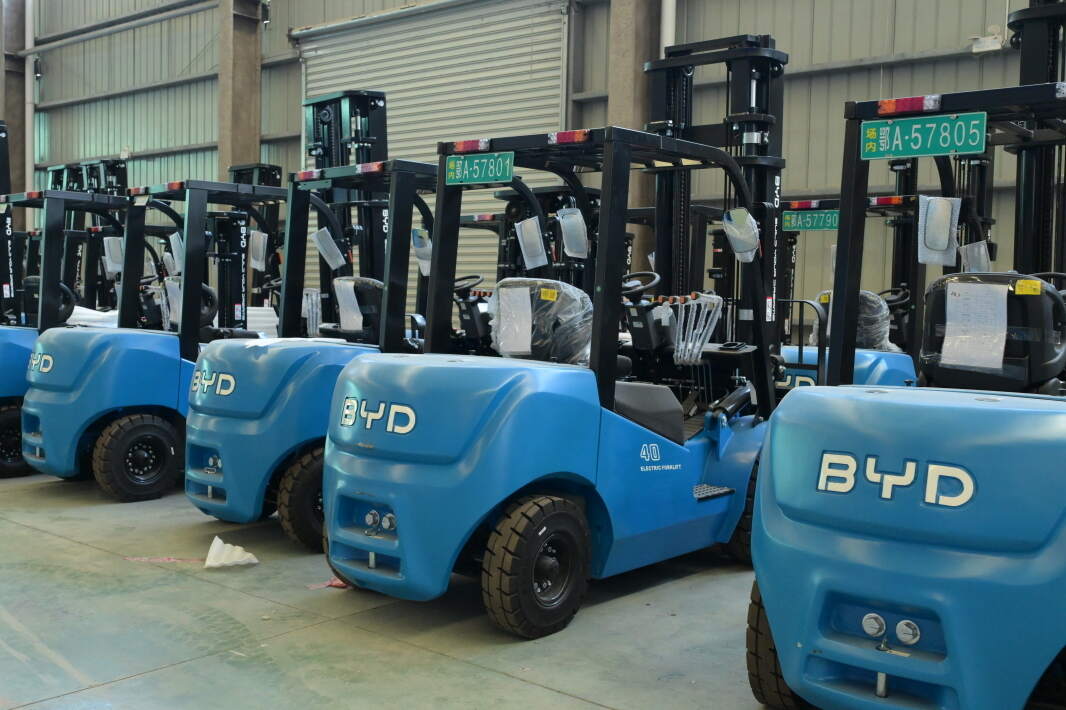
As the logistics and warehousing industry continues to pursue low-carbon and high-efficiency operation, electric forklifts have become one of the most widely used material handling equipment in various industrial scenarios. Mastering correct use and management methods can give full play to the equipment’s performance and create more stable value for daily operation.
Core Operational Advantages of Electric Forklifts
Compared with traditional internal combustion handling equipment, electric forklifts produce no exhaust emission during operation, which is very suitable for closed warehouse, food processing workshop and other scenarios with high requirements for air environment. The overall operation noise of the equipment is controlled at a relatively low level, which can reduce the noise interference to the working environment and lower the fatigue degree of operators during long-time work. Its energy consumption cost per unit working hour is also lower than that of fuel-powered equipment, which can help relevant teams control long-term operation expenditure.
Standardized Daily Operation Specifications
Before starting each shift of operation, operators need to check the remaining battery power, brake sensitivity, steering flexibility and the normal lifting state of the goods forks, to avoid hidden risks caused by equipment abnormality during subsequent operation. During the operation process, users should strictly follow the load capacity mark of the equipment, do not overload the goods, and keep the goods within the center of the load avoidance range. When driving on the ramp, keep the goods facing the upper direction of the slope, do not turn on the slope at will, and do not use the fork to carry non-goods personnel in any scenario, so as to avoid unnecessary safety accidents.
Routine Maintenance to Extend Equipment Service Life
After the daily operation is completed, the operators should wipe the dust and sundries on the surface of the equipment in time, check the cleaning degree of the battery contact points, and avoid the poor contact caused by the accumulation of dust. Regularly check the sealing performance of the hydraulic oil pipeline, replace the hydraulic oil according to the specified cycle, and check the wear degree of the solid tire regularly, replace the tire in time when the wear degree reaches the warning line. If the equipment needs to be parked for a long time, keep the battery power at 40% to 60% of the standard range, and charge the battery at intervals to avoid the service life damage caused by excessive power loss.
Reasonable Scenario Matching Suggestions
Users can select the matching configuration of electric forklifts according to their actual operation scenarios. For narrow aisle storage scenes, equipment with small turning radius can be selected to improve the space utilization rate of the warehouse. For low-temperature cold chain storage scenarios, you can choose the corresponding low-temperature protection configuration to ensure the normal operation of the battery and electrical components. This kind of matching can further improve the use efficiency of the equipment and avoid the performance waste caused by improper selection.


