
 English
 简体中文
简体中文 Русский
 Français
 Português
 Español

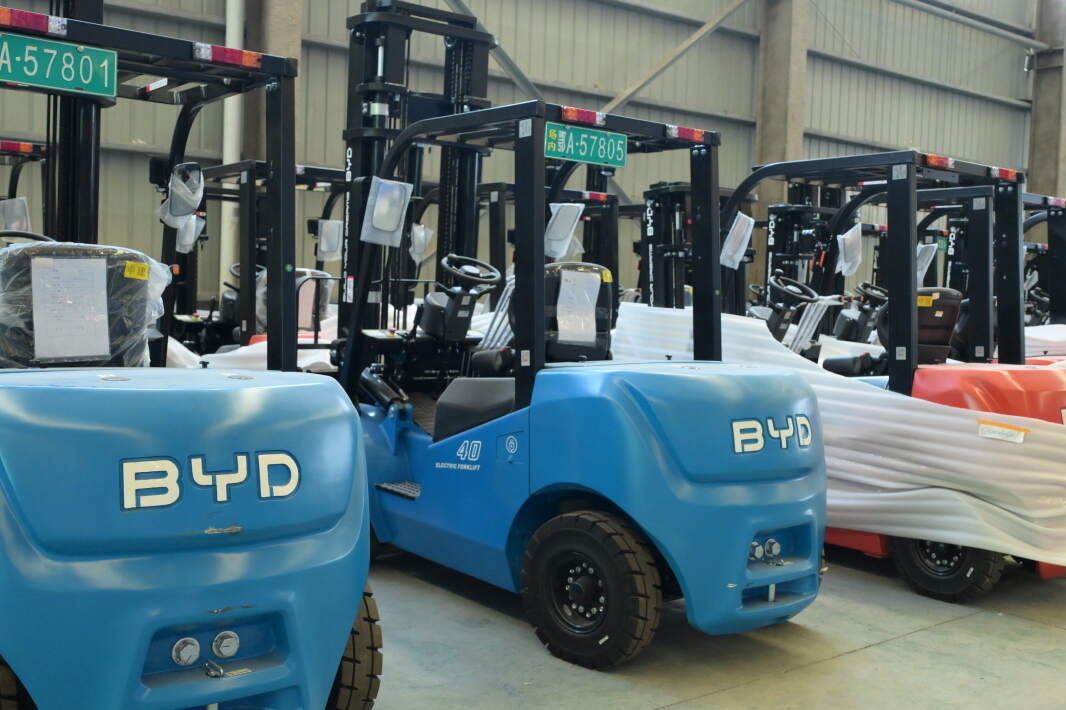
As the logistics and warehousing industry continues to pursue low-carbon, low-noise operation modes, electric forklifts have become one of the most widely used material handling equipment in indoor operation scenarios in recent years. Unlike internal combustion forklifts that rely on fossil fuels, electric forklifts output power through battery packs, which produce no exhaust emissions during operation, and can effectively reduce noise interference to surrounding staff and stored goods. To give full play to the performance advantages of this type of equipment, operators need to master systematic operation and maintenance specifications to ensure stable and efficient daily work.
Pre-operation Routine Inspection Protocols
Before each shift of operation, operators need to complete a series of non-destructive inspection work first. Check the remaining power level of the battery pack to avoid sudden power loss during high-intensity operation that affects the progress of handling tasks. Check the flexibility of the steering system, the braking sensitivity of the front and rear wheels, and the lifting stability of the fork gantry, to confirm that there is no abnormal jamming or lag in the transmission structure. Operators also need to check the safety warning lights and horn functions to make sure these auxiliary safety components can work normally in narrow warehouse aisles.
Standard Operation Specifications for Daily Use
During the actual operation process, operators need to adjust the driving speed according to the on-site road conditions, and keep a safe distance from surrounding stacked goods and passing staff. When carrying heavy loads, avoid sudden steering or emergency braking, to prevent the goods from slipping off the forks and causing unnecessary losses. When lifting goods to a high position, do not drive the equipment at a high speed, and keep the moving path smooth and free of obstacles. For long-distance transfer scenarios, operators should avoid continuous high-load operation for more than 2 hours, and arrange appropriate rest for the equipment to reduce the loss of core components.
Daily Maintenance Suggestions for Long-term Stable Use
After the daily work is over, operators should park the equipment in the designated charging and storage area, wipe the dust and sundries on the surface of the battery and the body in time, and do not leave the equipment in a humid, high-temperature environment for a long time. The battery pack should be charged according to the standard process, avoid over-discharging or over-charging for a long time, to extend the overall service life of the power system. Regularly arrange professional technical personnel to complete the lubrication and fastening of the transmission and connection parts, to reduce the failure rate of the equipment during long-term use.


