
 English
 简体中文
简体中文 Русский
 Français
 Português
 Español

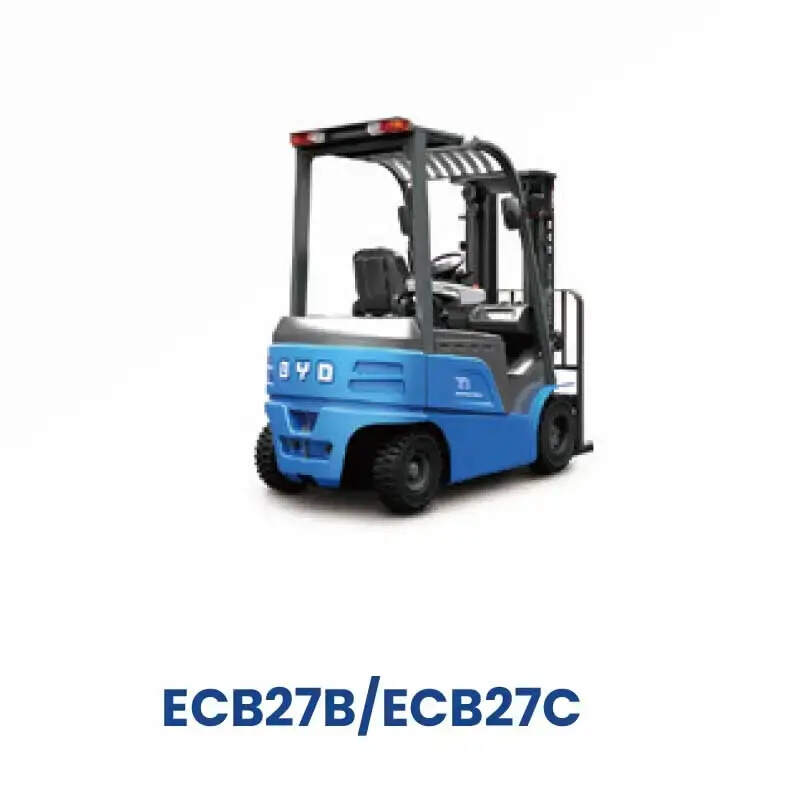
As the low-carbon trend continues to spread across global industrial logistics sectors, electric forklifts have become one of the most widely applied material handling tools in enclosed warehouse, manufacturing workshop and distribution center scenarios. Many new operators and enterprise managers hope to grasp the core points of using this type of equipment correctly to bring stable output for daily operations.
Core Operation Principles for Safe Daily Use
Before starting any operation, operators need to complete basic pre-checks around the whole vehicle, including checking the remaining power level of the power system, the flexibility of the lifting and steering mechanism, and the intact state of safety protection accessories such as warning lights and guard rails. During the operation process, it is necessary to keep the driving speed matching the on-site road condition, avoid sharp turning or sudden braking when carrying heavy loads, and keep the load center within the allowable range specified in the equipment manual to avoid unexpected tipping risks. Operators should also keep full attention during the whole working period, and strictly comply with the on-site logistics operation rules of the working area.
Routine Maintenance Practices to Extend Service Life
Daily scientific maintenance can effectively reduce the frequency of unexpected failures and extend the overall service cycle of electric forklifts. After each shift, operators should wipe off the dust, cargo residue and other attachments on the surface of the vehicle body, check the connection status of the power interface, and place the equipment in the designated ventilated and dry area for charging as required. It is not recommended to store the equipment for a long time with completely drained power, which may cause irreversible impact on the performance of the power unit. Regularly arrange professional personnel to check the wear degree of transmission components, brake systems and walking wheels, and replace the worn parts in time according to the actual wear condition.
Efficiency Optimization Tips for Different Working Scenarios
For different operation scenarios, users can adjust the usage mode of electric forklifts appropriately to get better use effect. In high-density narrow aisle scenarios, operators can reduce the unnecessary extra actions in the process of picking and placing goods through getting familiar with the turning radius and maximum lifting height of the vehicle, so as to improve the unit operation efficiency. In low-temperature working environments, it is suggested to preheat the power system for a short time before formal operation, so as to ensure the output performance of the equipment remains stable during continuous working hours. For enterprises that arrange multi-shift operation, they can formulate a handover inspection mechanism for each shift, to record the operating status of the equipment in real time, and find potential hidden problems in the early stage. Overall, mastering the correct use and maintenance skills of electric forklifts can help relevant personnel give full play to the advantages of this type of low-noise, zero-emission material handling equipment, and create more stable value for daily logistics operation work.


