
 English
 简体中文
简体中文 Русский
 Français
 Português
 Español

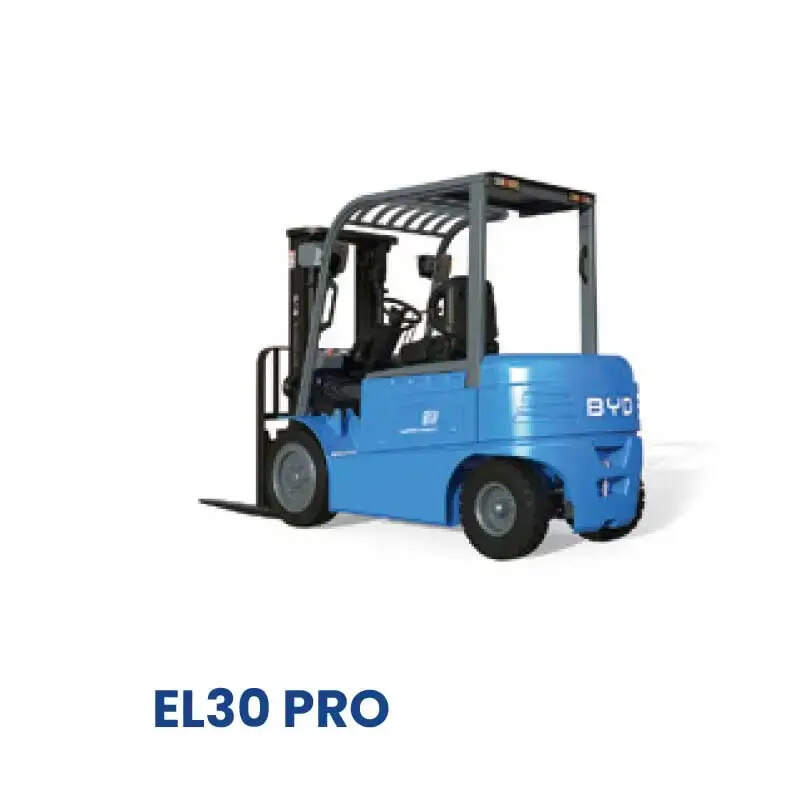
With the continuous promotion of low-carbon logistics solutions around the world, electric forklifts have become one of the most widely used material handling equipment in closed warehouses, retail distribution centers and light manufacturing workshops in recent years. Reasonable operation and standardized maintenance can help enterprises obtain stable equipment output under different working scenarios.
Core Performance Advantages of Electric Forklifts
Different from traditional internal combustion handling equipment, electric forklifts produce no local exhaust emission during operation, and the running noise is controlled at a relatively low level, which can meet the environmental and health requirements of enclosed working spaces such as food storage workshops and pharmaceutical distribution centers. The energy consumption per hour of use is usually lower than that of fuel-powered models, which can reduce the long-term operating cost of the material handling system for enterprises, and adapt to the daily turnover demand of most medium and low intensity handling scenarios.
Key Standardized Operation Points for Users
Before each start of the equipment, operators need to check the remaining battery power, the flexibility of the braking system, and the smoothness of the lifting and tilting gantry structure, to avoid hidden risks caused by unconfirmed status. During the driving process, the load weight should not exceed the rated load range marked on the equipment body, and the forks need to be kept at a low position 10 to 15 cm above the ground when moving across the working area. When passing through the ramp area, keep the cargo face upward to slide slowly, and do not turn on the slope to avoid sideslip that may cause cargo damage.
Scientific Daily Maintenance Suggestions
After each shift, operators need to wipe off the dust and residual cargo debris on the surface of the equipment, check whether the charging interface of the battery has accumulated dust or slight corrosion, and arrange targeted cleaning in time. The heat dissipation vents of the driving motor shall not be blocked by packaging cartons or plastic scraps, so as to avoid overheating and damage of the equipment during long-time continuous operation. If the equipment is out of use for more than two weeks, the battery should be kept at 50% to 70% charge, and supplementary charging is arranged every 15 days to avoid irreversible capacity loss caused by deep power loss. Following the above rules, the electric forklift can maintain a stable working state for a long time.


