
 English
 简体中文
 Русский
 Français
 Português
 Español


As the core commercial and logistics hub of Ethiopia, Addis Ababa has seen steady growth of demand for warehousing and freight distribution in recent years, covering sectors ranging from retail storage, manufacturing material handling to port extending transit services. Stackers as core material handling equipment, a large number of local operation teams tend to make purchase decisions only referring to initial procurement price, while ignoring the full lifecycle cost gap between diesel and electric models.
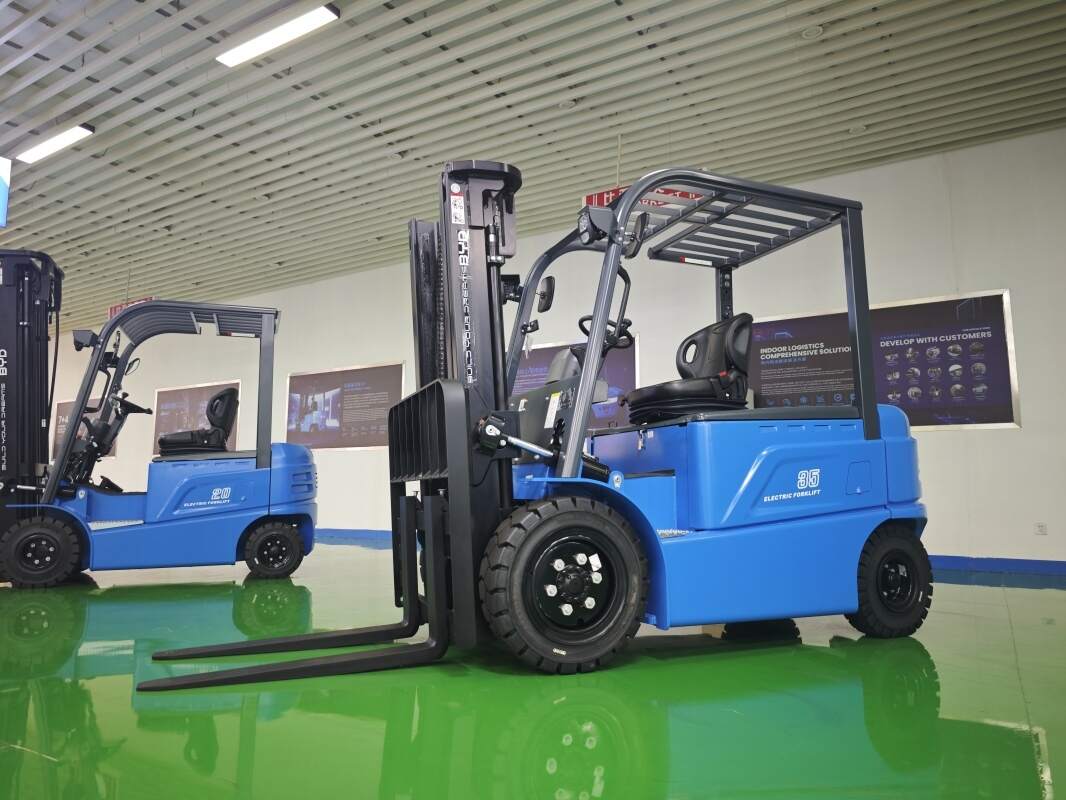
For diesel stackers, the largest part of operating cost comes from fuel expense. The local diesel price in Addis Ababa has obvious seasonal fluctuation characteristics, and fuel cost usually accounts for more than 60% of the total daily operating expenditure. In addition, the internal combustion structure of diesel stackers needs regular maintenance work including engine oil replacement, filter element update and exhaust system inspection, which will bring extra stable cost expenditure every year. The invisible cost of diesel stackers also includes extra ventilation investment for enclosed warehouses, and potential risk of cargo pollution caused by tail gas oil fume, which can not be ignored for food and pharmaceutical storage scenarios.
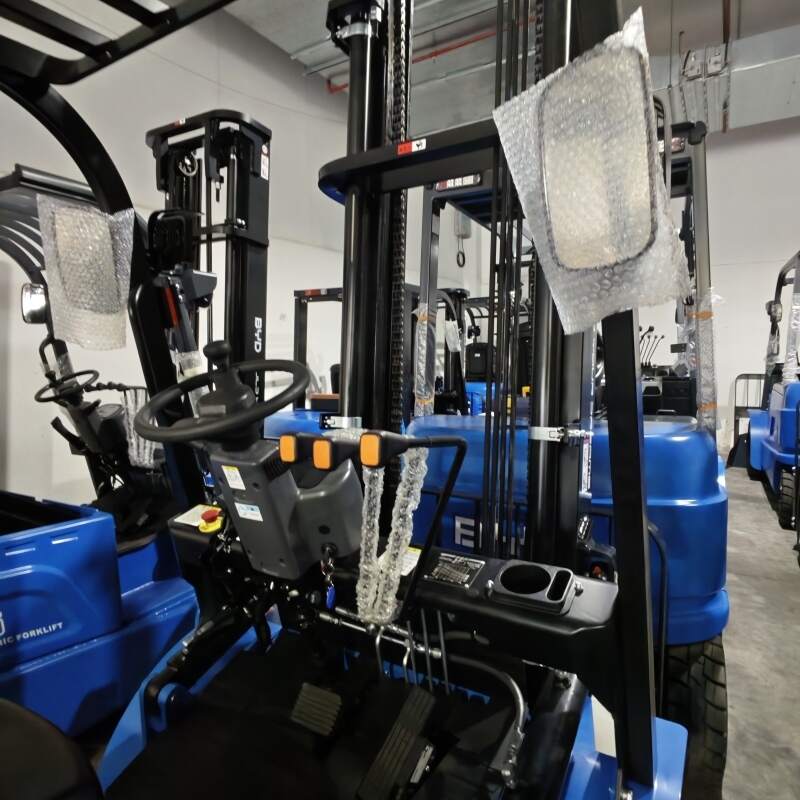
For electric stackers, the initial procurement price is slightly higher than that of diesel models with same load capacity, but its subsequent operating cost is much more controllable. The local industrial and commercial electricity price in Addis Ababa maintains a relatively stable level for a long time, and the energy consumption cost of electric stackers per working hour is only 1/4 to 1/5 of that of equivalent diesel products. The electric power system has no complex internal combustion moving parts, the daily maintenance work only includes battery status check and lubrication of a small number of movable components, the annual maintenance cost is far lower than diesel equipment. Besides, zero tail emission feature allows electric stackers to work directly in enclosed cold storage and clean material warehouses, no extra ventilation equipment investment is required, and there is no risk of cargo pollution.
Calculated based on the annual working hour of 1500, the extra initial investment of electric stackers can be recovered through the cost difference of energy consumption and maintenance in 3 to 4 years, and continuous cost reduction can be achieved in the subsequent whole service life. Electric stackers also run at much lower noise, which can optimize the working environment of warehouse operators and reduce extra occupational health protection investment. We are Jian Shu New Energy, dedicated to providing professional BYD electric forklift related solutions for local material handling clients, if you have any demand for cost assessment or equipment consultation, you can contact us via [email protected].


