
 English
 简体中文
简体中文 Русский
 Français
 Português
 Español

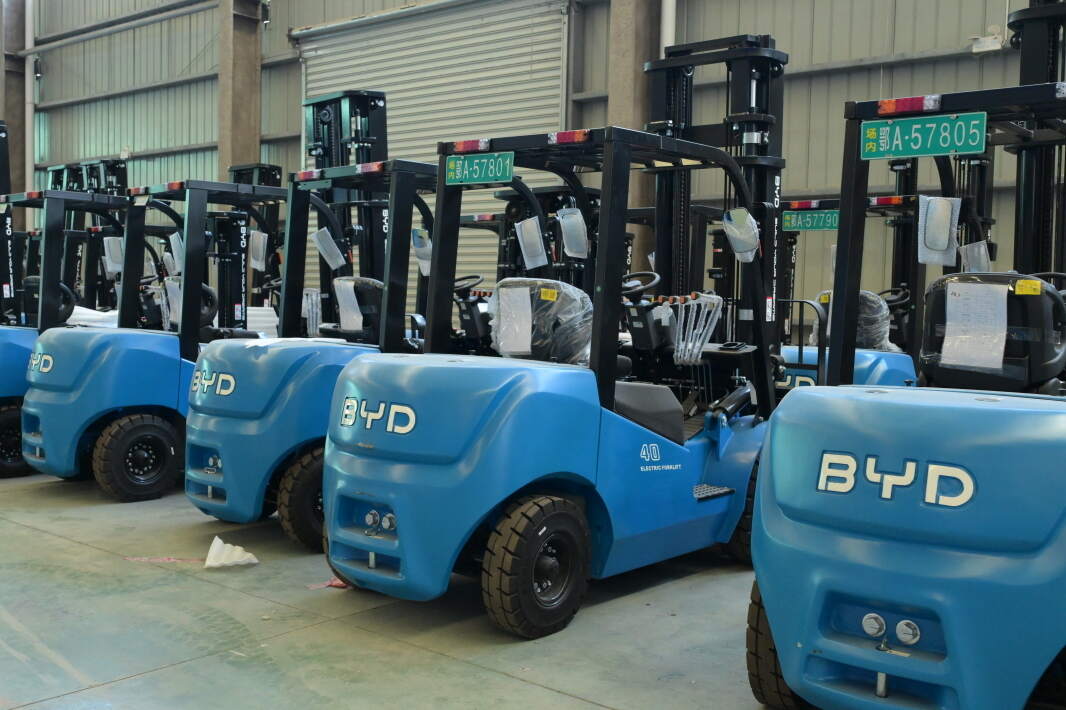
Against the background of global low-carbon transformation of logistics industry, electric forklifts have gradually become the core mainstream equipment for indoor and outdoor material handling scenarios, replacing traditional fuel-powered models in most warehouse, factory and distribution center scenarios. For frontline operators and facility managers, mastering systematic operation and management knowledge of electric forklifts can effectively reduce unnecessary operational risks and improve overall operation efficiency.
Core Standard Operating Rules for Daily Electric Forklift Use
Before each shift starts, operators need to complete basic pre-inspection work, including checking remaining battery level, brake system sensitivity, warning light status and fork surface integrity, to eliminate hidden risks before formal operation. During the operation process, operators shall not exceed the rated load capacity marked on the equipment, keep low driving speed in narrow passages and dense personnel areas, and avoid sudden steering or emergency braking that may cause goods falling off. It is also not allowed for any personnel to stay or walk under the lifting fork to prevent accidental injury caused by falling heavy objects. After the daily operation ends, the forklift shall be parked in the designated fixed area, the fork shall be lowered to a horizontal height close to the ground, the handbrake shall be pulled tight and the power supply shall be cut off properly.
Routine Maintenance Points for Stable Long-term Operation
Scientific and regular daily maintenance can help maintain the good working condition of electric forklifts for a long time, and reduce the probability of sudden failure during peak operation periods. Operators can regularly clean the dust and stains on the surface of battery electrode contacts to avoid poor contact caused by long-term accumulation of foreign matters. They need to follow the official standard charging process, avoid deep over-discharge of the battery, and do not keep the equipment connected to the power supply for a long time after the battery is fully charged. The maintenance team also needs to check the sealing performance of the hydraulic system regularly, confirm the wear degree of the solid tires, and replace the vulnerable parts in time according to the actual use frequency, so as to avoid small hidden troubles expanding into larger faults that affect normal operation.
Targeted Optimization Suggestions for Different Application Scenarios
According to the different characteristics of actual operation scenarios, teams can make reasonable small adjustments and configurations for electric forklifts to further improve the adaptation effect of the equipment. For low temperature cold storage operation scenarios, adding corresponding insulation kits for the battery can effectively reduce the influence of low temperature environment on the battery performance. For high-dust industrial workshop scenarios, upgrading the ventilation and filtering system of the driving cab can create a more comfortable working environment for operators. For high-frequency continuous operation scenarios with long-hour demand, configuring a set of spare batteries for rotation can effectively avoid operation interruption caused by battery charging, maintaining the continuity of the whole material handling process. Following standardized use and management rules can help teams give full play to the inherent advantages of electric forklifts, such as low noise, zero local emission and flexible operation, and steadily improve the comprehensive operation benefit of the whole logistics handling link.


