
 English
 简体中文
 Русский
 Français
 Português
 Español


When enterprises make procurement decisions for material handling equipment, many teams only compare the upfront purchase price of counterbalance forklifts, which often leads to underestimated long-term expenditure and lower return on investment during the whole equipment service cycle. Calculating the total cost of a counterbalance forklift in a scientific, all-around way can help logistics managers make more reasonable investment decisions that match their actual operation scenarios.
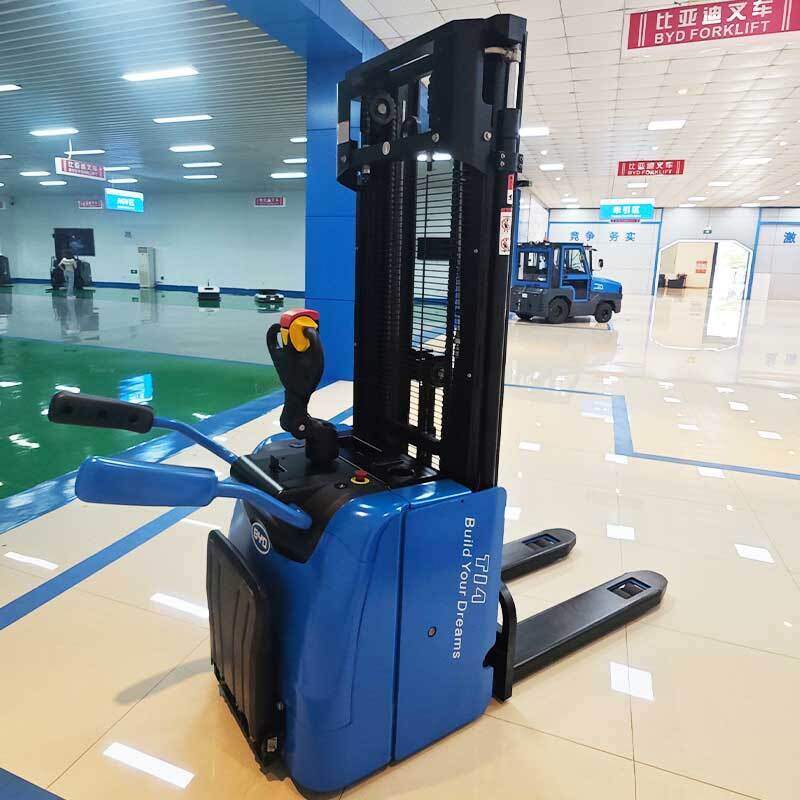
The first part of the total cost calculation covers one-off upfront investment. Except for the invoice price of the forklift itself, you need to add the expense of door-to-door transportation, on-site commissioning, basic operation training for drivers, as well as the necessary supporting facilities such as dedicated charging stations and corresponding line renovation for electric counterbalance forklifts. All these one-time expenditures should be included in the initial cost and amortized to the expected service years of the equipment.
The largest proportion of total cost comes from recurring operation expenditure during daily use. First, calculate the energy consumption cost based on your annual working hours, multiply the average power consumption per hour of the forklift by local unit electricity price, then multiply the total working hours over the full service cycle. Next, include the regular maintenance cost, covering consumable replacement and labor fee for routine inspection. Compared with internal combustion counterparts, electric counterbalance forklifts have fewer vulnerable moving parts related to fuel power system, which can effectively cut down long-term maintenance expenditure.
Do not ignore the implicit cost that is easy to omit in the calculation process. The downtime cost caused by unexpected forklift faults, including the stagnation loss of loading and unloading operation, and the potential delay penalty of order fulfillment, should be estimated based on the average annual fault duration of the equipment. You also need to take the compliance cost related to emission inspection, annual safety check and equipment insurance into the total cost system.
The residual value at the end of service cycle is a key item that can offset part of the total cost. With the mature new energy power battery recycling system, well-maintained electric counterbalance forklifts keep considerable residual value after 5 to 8 years of normal use, which can be deducted from the total investment to get the net total cost of the equipment.
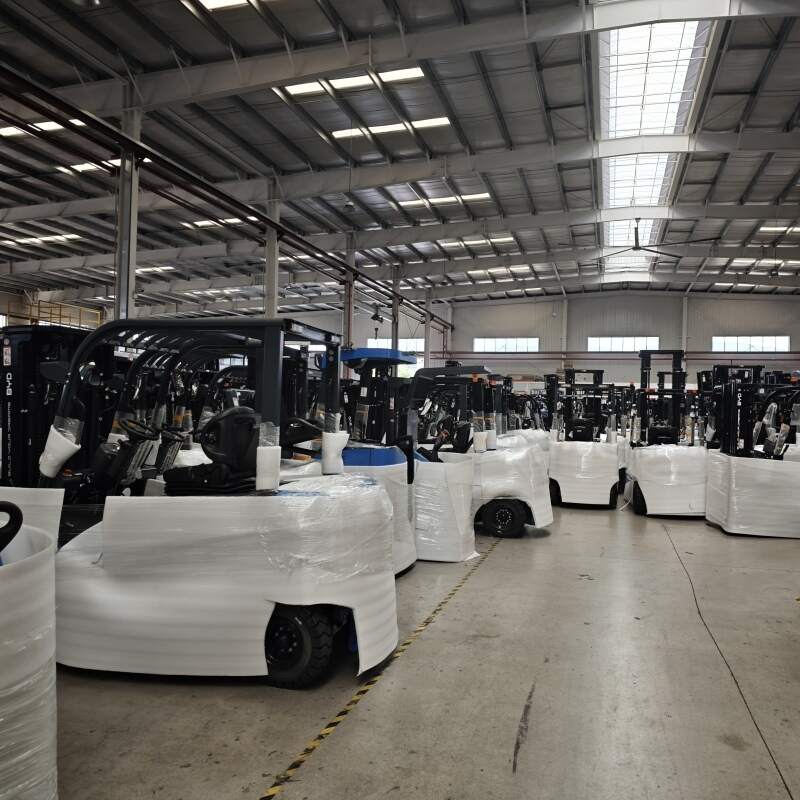
If you need a customized total cost calculation report tailored for your specific warehouse operation conditions, you can contact our team for professional support. We are Jianshu New Energy, focusing on high quality electric forklift products, you can send your demand to [email protected] for further consultation.


