
 English
 简体中文
 Русский
 Français
 Português
 Español


In recent years, lithium-ion forklifts have been widely applied in material handling scenarios such as ordinary warehouses, manufacturing workshops, cold chain storage and port cargo yards. Many new users have various doubts about the use and maintenance of this type of equipment. As a professional new energy forklift service provider, JianShu New Energy, focusing on BYD electric forklifts, we sort out the most frequently asked questions and targeted practical answers for all users below.
The first common question is about the core difference between lithium-ion forklifts and traditional lead-acid forklifts. Different from traditional lead-acid battery forklifts, the lithium battery system of lithium-ion forklifts does not contain corrosive electrolyte that needs regular replenishment, the internal structure is more stable, and the energy conversion efficiency in the working process is higher, which can effectively reduce the comprehensive operating cost of the equipment fleet within the normal service cycle.
The second question focuses on daily maintenance requirements. Users do not need to carry out special and complicated maintenance operations for the lithium battery part. The regular daily work only includes checking whether the surface of the battery shell has obvious damage or foreign matter coverage, cleaning the accumulated dust on the heat dissipation channel, confirming the good contact elasticity of the charging gun, and checking the wheel wear condition and the sensitivity of the braking system before each shift. No extra tedious maintenance procedures are required.
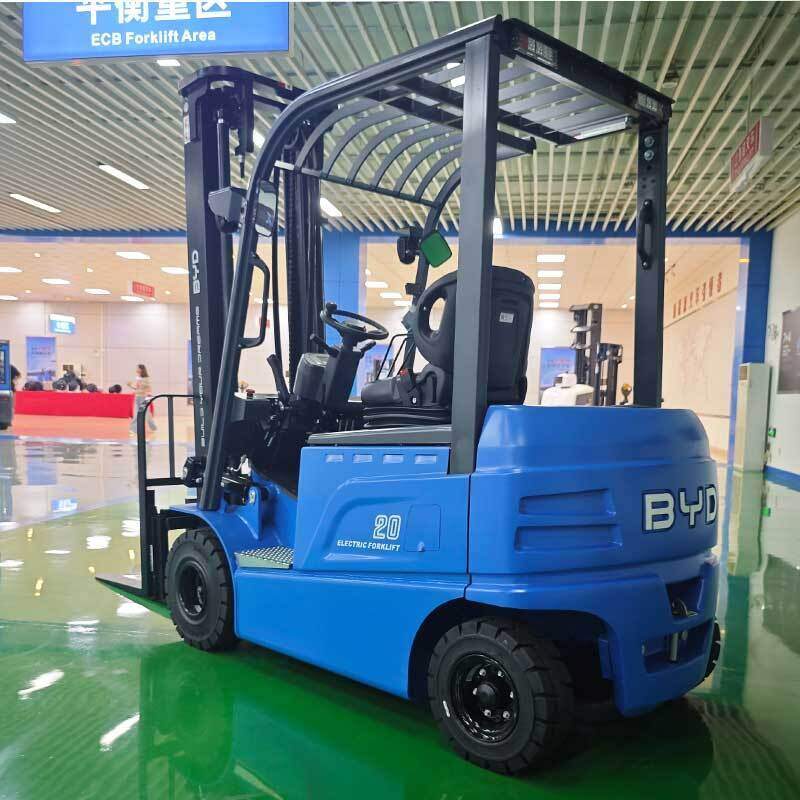
The third question is about the precautions for the charging process. Lithium-ion forklifts support opportunity charging, users can connect the power supply to supplement power during short work breaks, there is no need to wait for the battery to be fully discharged before starting the charging process. It is recommended to use the matched supporting charger during use, do not access non-matched charging equipment to avoid abnormal damage to the battery management system. After the charging process is completed, unplug the charging gun in time and place it in the designated fixed storage position.
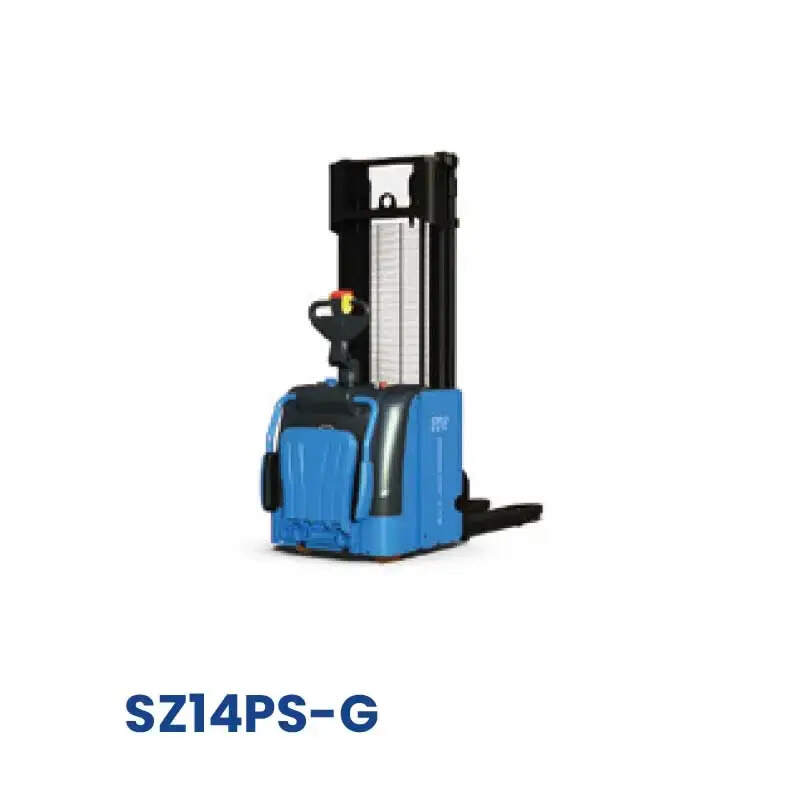
The fourth question is about the adaptability in low temperature environment. Conventional lithium-ion forklifts are equipped with built-in battery temperature management system. When the ambient temperature is lower than the normal working threshold, the system will start the preheating program first, adjust the internal battery pack to the proper working temperature range, so as to ensure that the equipment can output stable and continuous power during operation. It is recommended to park the idle equipment in a relatively closed and constant temperature storage space in low temperature weather.
The fifth question concerns the applicable scenarios. Lithium-ion forklifts can adapt to most daily material handling scenes of different operation intensity. For scenarios that have high requirements for operation cleanliness, low noise and continuous operation, lithium-ion forklifts can bring more satisfactory use experience.
If you have more questions about model selection, operation training and after-sales support of lithium-ion forklifts, welcome to contact JianShu New Energy. We are dedicated to providing professional services related to BYD electric forklifts, and you can send consultation emails to [email protected] at any time.


