English
 简体中文
 Русский
 Français
 Português
 Español


Reach forklifts have become one of the most widely applied material handling equipment for high-density warehousing scenarios, as they are designed to operate in narrow aisles and complete high-position cargo access tasks that ordinary counterbalance forklifts cannot easily finish. This buyer’s guide is compiled to help enterprise purchasers clarify core demands, avoid common selection mistakes, and pick the most suitable reach forklift for their daily operation scenarios.
First of all, you need to confirm your actual application scenarios before making the purchase decision. Reach forklifts are suitable for scenarios with aisle width below 3.2 meters and shelf height between 6 meters and 12 meters, which can greatly improve the utilization rate of warehouse storage space. If your warehouse is planning to expand storage capacity without adjusting the existing site area, upgrading to suitable reach forklifts is a cost-effective solution that does not require large-scale reconstruction of the original facility.
Next, you need to check several core selection parameters to match your actual operation demands. The first parameter is rated load capacity: you need to calculate the maximum weight of the regular cargo you need to transport, and reserve a reasonable margin instead of selecting a model that is exactly equal to your maximum cargo weight, which can extend the service life of the equipment and reduce operation risks. The second parameter is maximum lifting height: you need to confirm the actual height of the highest storage position of your shelves, and take the influence of load weight on the lifting height into full consideration, to ensure the equipment can smoothly complete the access of goods at the top position. The third parameter is power configuration: electric reach forklifts are now the mainstream choice for most modern warehouses, with zero local emissions, low noise, and relatively lower long-term operation cost compared with fuel powered equipment. Most qualified models on the market can support continuous operation for 6 to 8 hours after full charge, which can meet the demand of single shift or even two shift operation for most warehouses.
After the equipment is delivered, you also need to arrange regular standard maintenance for the equipment, and provide standardized operation training for relevant operators, which can effectively reduce the failure rate of the equipment and extend its whole service life. If you have personalized demands for special operation scenarios, you can choose customized adjustment for relevant configurations to get better use experience.
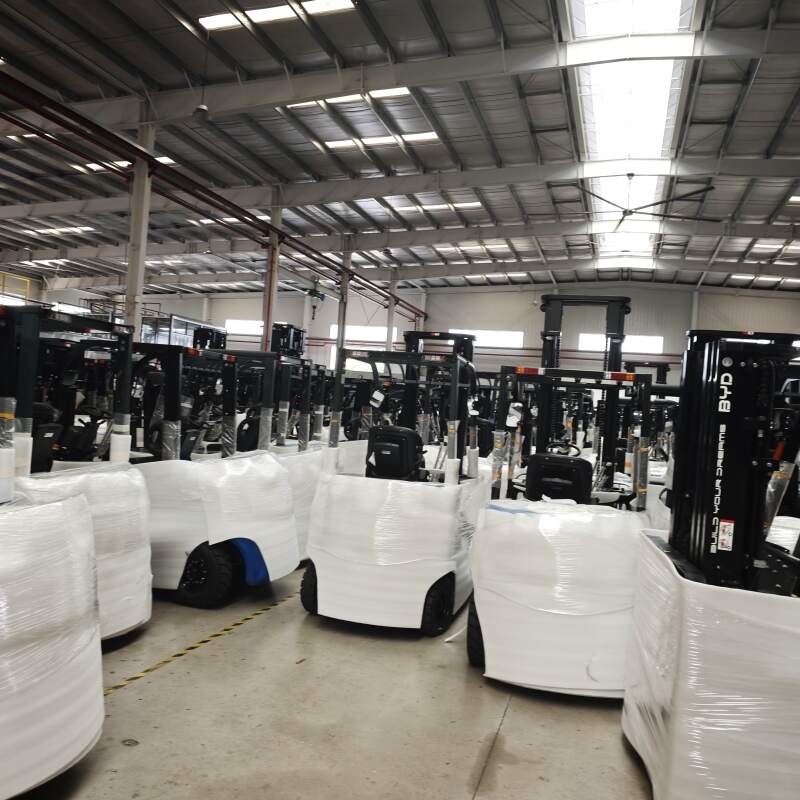
As a professional supplier focusing on electric forklift solutions, Jian Shu New Energy specializes in BYD electric forklifts, and can provide you with targeted reach forklift selection plans according to your actual warehouse layout, operation intensity and cargo features. For any further consultation, you can send email to [email protected] for detailed support.