
 English
 简体中文
 Русский
 Français
 Português
 Español


As material handling operations expand and operational cost pressure rises, many traditional forklift users may not realize it is the right time to upgrade their equipment to lithium-ion forklifts. The following 7 practical signs can help you judge whether your current fleet needs such an upgrade.
First, your team spends more than 20 hours a week on regular battery maintenance. Traditional lead-acid forklifts require regular watering, equalizing charging and long cooling periods, which takes extra labor time and cuts effective working hours directly. Lithium-ion models eliminate most of these regular maintenance steps, saving your team plenty of time that can be allocated to core handling tasks.
Second, your operation frequently faces multi-shift working demands without sufficient spare battery preparation. Lithium-ion forklifts support opportunity charging during short breaks, such as 10 to 15 minutes charging during lunch time, to get enough power for the next shift, no need to arrange extra spare batteries and related dedicated storage space.
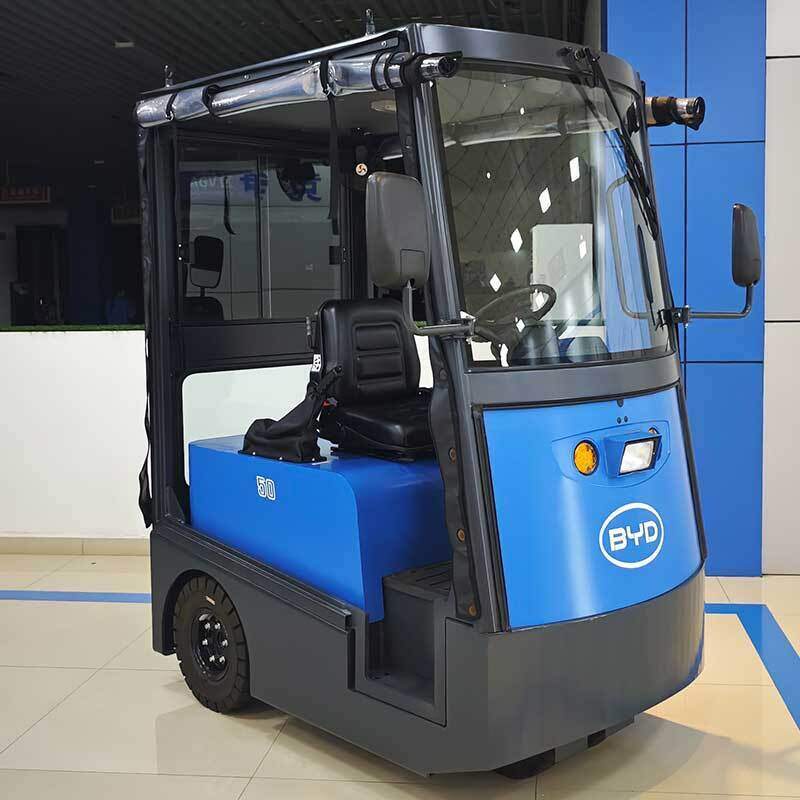
Third, your monthly energy cost for the forklift fleet remains at a high level for a long time. Lithium-ion powertrains have higher energy conversion efficiency than traditional internal combustion or lead-acid counterparts, which can effectively reduce your long-term energy expenditure during daily operations.
Fourth, your operation site has strict requirements for zero exhaust emission. Lithium-ion forklifts produce no tail gas during operation, which perfectly fits the standards of indoor warehouses, food processing workshops, cold storage and other scenarios that have high air quality requirements.
Fifth, your forklift fleet often breaks down during peak operation periods. The stable lithium-ion battery structure has longer cycle life and lower failure rate under high frequency use, which can reduce unexpected downtime that may cause delays in your whole logistics process.
Sixth, you have to arrange extra budget for dedicated battery charging rooms. Unlike traditional lead-acid batteries that need special ventilated, explosion-proof charging rooms, lithium-ion forklifts can be charged at ordinary designated safety areas in the operation site, saving your extra space and site renovation cost.
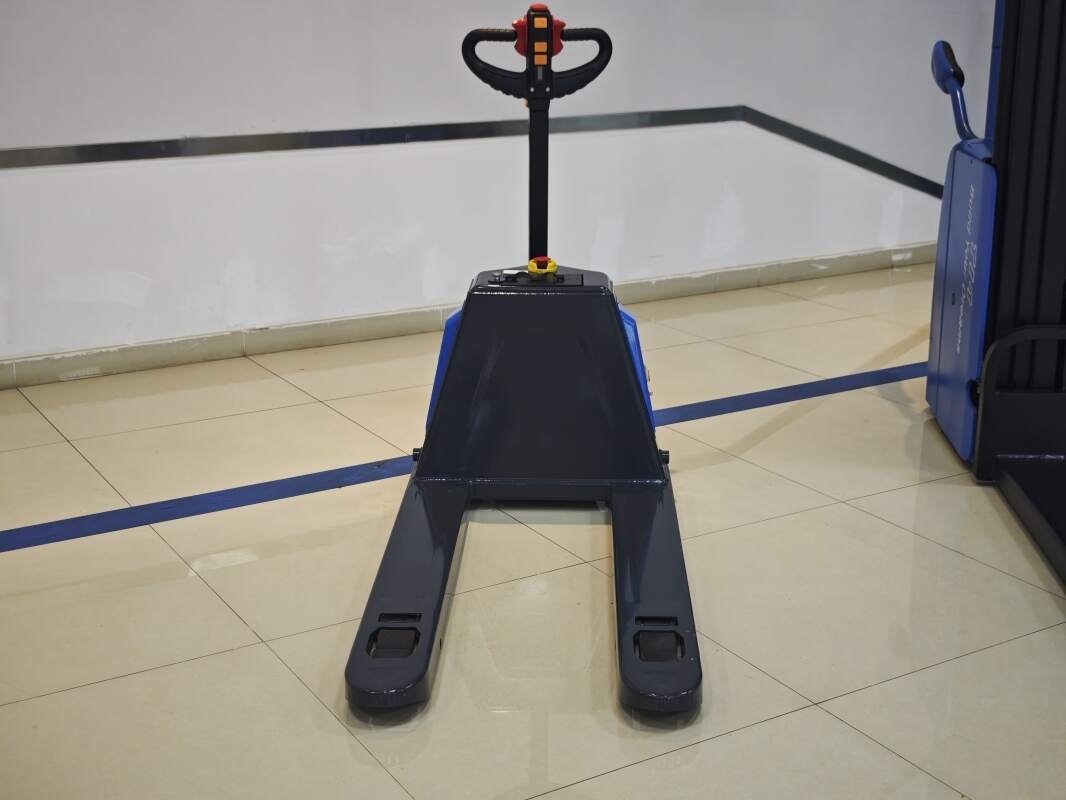
Seventh, your team complains frequently about unsteady power output when the battery level drops below 50%. Lithium-ion forklifts maintain consistent full power output even when the remaining power is low, ensuring stable handling performance from the start to the end of each shift.
Jianshu New Energy, focusing on high-quality BYD electric forklift products, can provide you with targeted lithium-ion forklift configuration plans based on your actual operation scenarios. If you have any demand for consultation, you can contact us via [email protected] for further support.


