English
 简体中文
 Русский
 Français
 Português
 Español


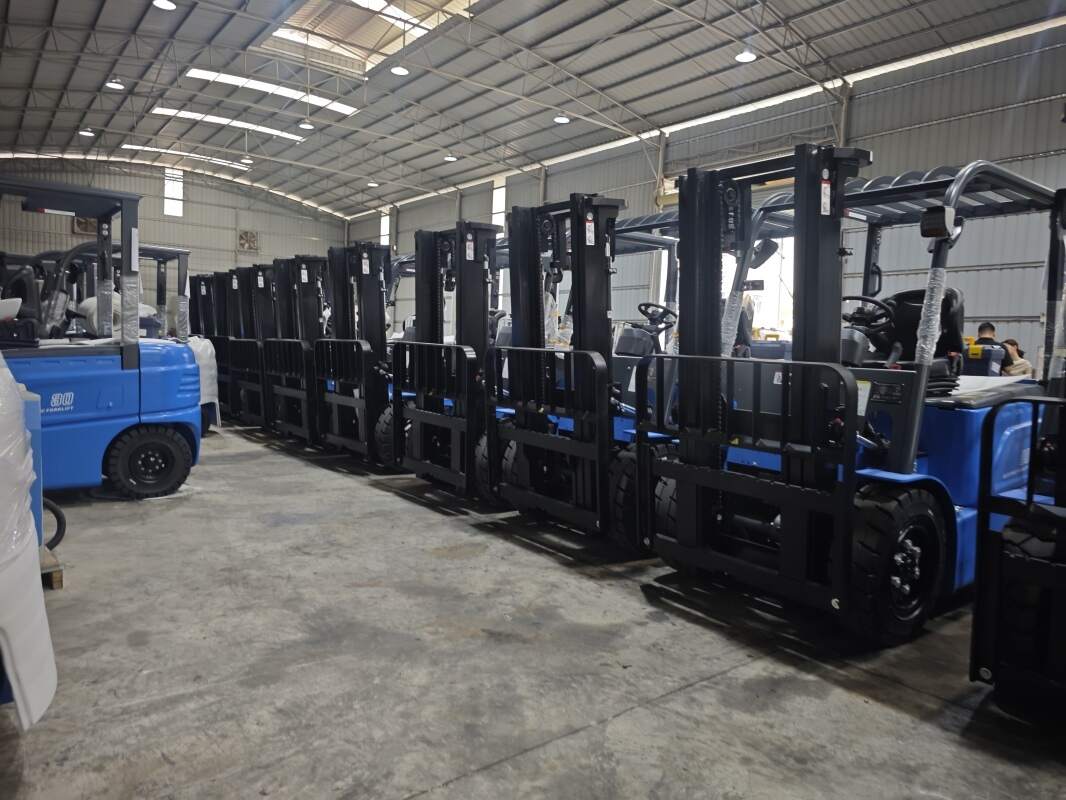
Running a smooth, cost-effective material handling operation requires regular evaluation of your existing equipment’s performance against your actual daily demands. Many operation managers overlook the proper timing to upgrade from conventional fuel-powered forklifts to electric models, until unexpected costs or safety risks occur. You can check the 6 obvious signs below to confirm if your operation is ready for the switch.
The first sign is your operation faces constantly rising fuel cost and high, unpredictable maintenance expenses for internal combustion forklifts. Traditional fuel forklifts have more moving components related to fuel combustion and exhaust processing, which require frequent part replacement and professional maintenance. Electric forklifts, by contrast, have simpler power transmission structures, with far lower energy consumption cost per operation hour and less routine maintenance demand.
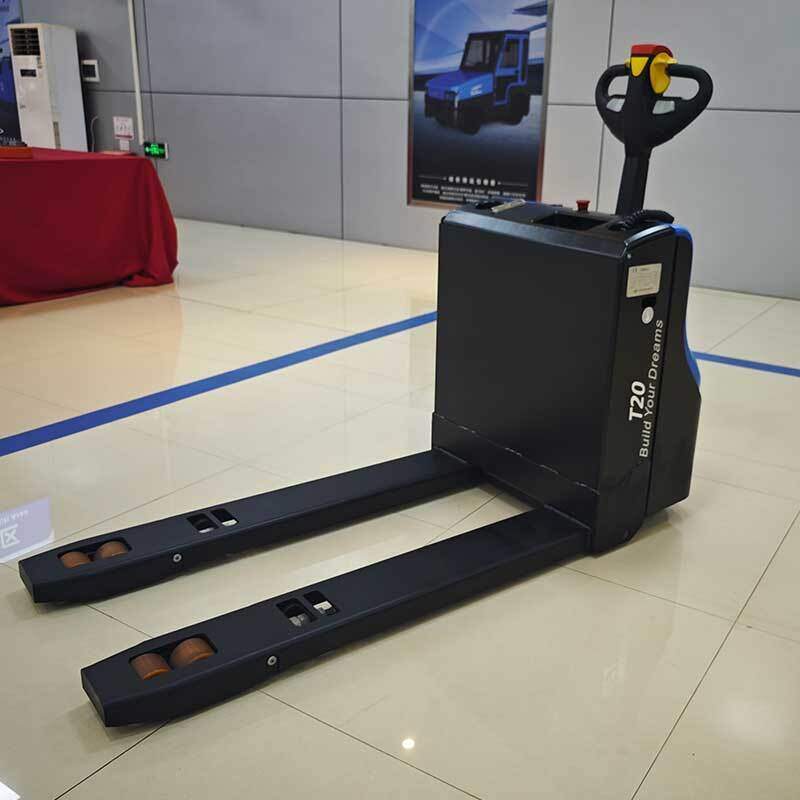
The second sign is your main worksites are indoor enclosed spaces, such as food storage warehouses, pharmaceutical workshops or electronic component production zones, where exhaust emission control is a mandatory rule. Fuel forklifts generate unavoidable exhaust gas that may pollute sensitive stored goods and violate local indoor environmental standards. Zero-emission electric forklifts can fully meet the work requirement without causing any harmful substance emission.
The third sign is your frontline forklift operators report high work fatigue caused by long-time exposure to excessive noise and vibration generated by old fuel forklifts. Most electric forklift models run at a much lower noise level with milder operation vibration, which can effectively reduce operators’ physical burden during continuous shifts, and lower the risk of misoperation caused by fatigue.
The fourth sign is your local jurisdiction has released new low-carbon regulation for logistics and industrial operations, which imposes extra emission surcharges or restricts access of fuel-powered material handling equipment to core operation zones. Switching to qualified electric forklifts can help your operation fully comply with related local rules, and avoid unnecessary restriction penalties.
The fifth sign is your long-term operation budget plan targets to reduce overall operating cost and lift the return on investment of your material handling fleet. Though electric forklifts may have slightly higher initial purchase cost, their accumulated savings in energy cost, maintenance cost and related environmental compliance cost can offset the investment within several years for most medium and large operations.
The sixth sign is you have growing demands to improve on-site operation safety level, especially when you are handling high-value fragile goods or arranging forklift work near pedestrian passages. Most modern electric forklifts are designed with faster braking response, no open flame risk and more compact operation body, which can effectively reduce potential safety hazards during daily work.
If you find multiple signs above matching your current operation status, it is a suitable time to evaluate electric forklift solutions that fit your actual demand. As Jianshu New Energy, we focus on providing reliable BYD electric forklift products and matched supporting services for different operation scenarios. For more detailed product consultation and customized solution support, you can contact us via the email address [email protected].