English
 简体中文
 Русский
 Français
 Português
 Español


As a professional new energy material handling solution provider, Jian Shu New Energy (尖树新能源) has long focused on supplying reliable BYD electric forklift products and supporting services for different industry users. For warehouse managers and equipment operators who intend to select or use 3-wheel electric forklifts, the following 5 core points can help you make more reasonable operation and arrangement plans to maximize the value of the equipment.
First, the 3-wheel electric forklift is specially optimized for narrow-space operation scenarios. Compared with conventional 4-wheel counterbalance electric forklifts, its unique three-point support structure brings a much smaller turning radius, allowing it to travel smoothly and complete cargo stacking in aisles as narrow as 1.8 meters. It is very suitable for small and medium-sized warehouses, retail back-end storage areas, and compact production workshops that do not reserve extra wide operation channels.
Second, it has clear adaptation boundaries in terms of load capacity and lifting height. Most standard models of 3-wheel electric forklifts are designed with rated load ranging from 1 ton to 2 tons, and the maximum stable lifting height can reach up to 6 meters, which can fully meet the daily handling and high-position stacking needs of light and medium-sized conventional cargo. Users are not advised to operate the equipment under long-term overloaded state, so as to avoid accelerated wear of core structural components.
Third, its new energy power system brings unique advantages for indoor operation. The mainstream lithium-ion powered 3-wheel electric forklift can run for 6 to 8 hours continuously after a full charge, and it does not produce any exhaust gas or peculiar smell during the whole operation process, which is very friendly for enclosed indoor storage scenes with high air quality requirements, such as food warehouses, pharmaceutical storage areas and electronic component workshops.
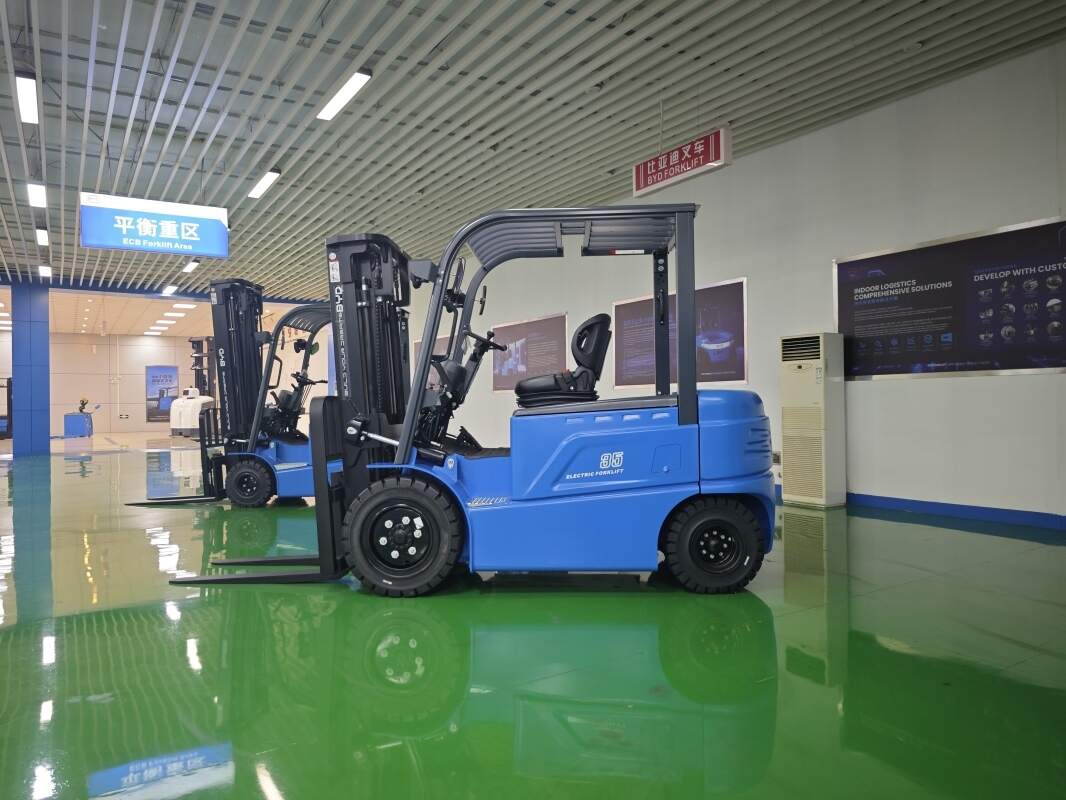
Fourth, standardized operation specifications can effectively reduce safety risks. Operators need to complete formal professional operation training before driving the equipment, avoid sharp steering at high speed, and check the brake system, tire wear status and remaining power level before the start of each shift, so as to eliminate hidden dangers in time and ensure stable and safe daily operation.
Fifth, regular professional maintenance can significantly extend the service life of the equipment. It is recommended to arrange full inspection of the driving motor, lifting hydraulic system and electric control system every 3 months, which can effectively avoid sudden equipment failure during peak operation periods. If you have any demand for related products and customized solutions, you are welcome to contact us via [email protected] at any time.