
 English
 简体中文
 Русский
 Français
 Português
 Español


Forklifts are core equipment for daily material handling in logistics, manufacturing, warehousing and other scenarios, and their operating performance directly affects the smoothness of the whole workflow. Many operation teams stick to their existing old fleets without noticing the proper timing to upgrade to lithium-ion forklifts, which may bring extra hidden costs and efficiency loss for long-term development. The following 5 typical signals can help you judge whether it is suitable for your operation to introduce lithium-ion forklift products.
The first obvious sign is frequent charging waiting delays in shift arrangement. Traditional lead-acid powered forklifts usually require several hours of full charging time, plus extra maintenance steps such as watering and electrolyte replenishment during daily use. Lithium-ion forklifts support fast charging, and you can complete power supplement during normal staff break time without arranging extra dedicated charging waiting period, which adapts to multi-shift operation requirements very well.
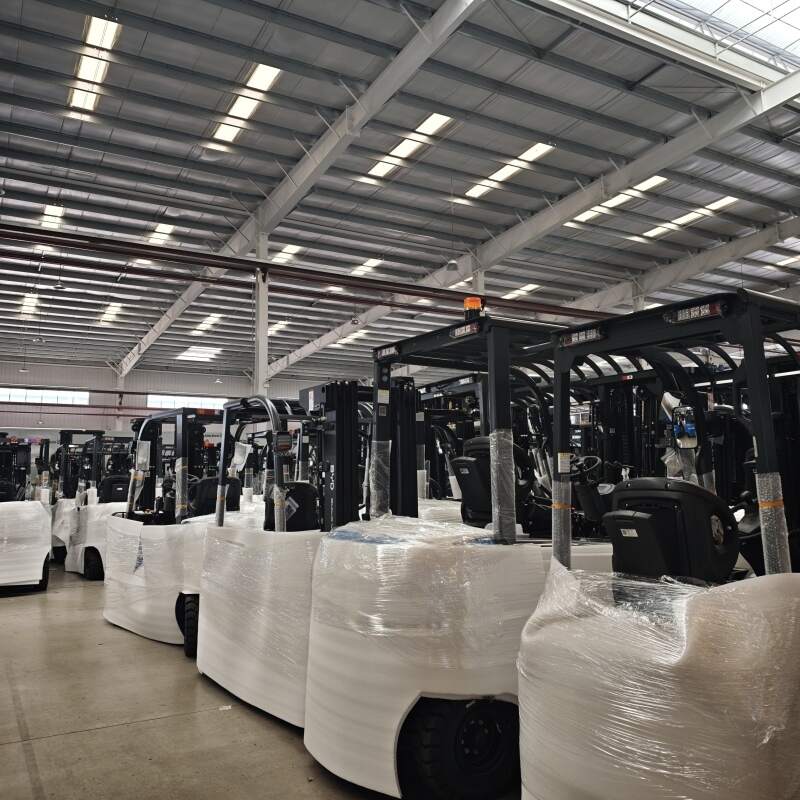
The second sign is the continuously rising daily maintenance cost of the existing fleet. Old power type forklifts need regular inspection of related wearing parts, and unplanned shutdown caused by maintenance often interrupts the normal work rhythm. Lithium-ion forklifts have relatively simple internal power structure, which requires far less daily maintenance work, and can effectively reduce the manpower and material resources invested in fleet maintenance.
The third sign is that your operation has received increasing complaints about exhaust emission or operating noise. Internal combustion forklifts will produce exhaust gas during operation, while old lead-acid forklifts may produce large noise in the working process. Lithium-ion forklifts produce zero tail gas emission during operation, and the overall running noise is at a low level, which is very suitable for indoor enclosed operation scenarios and can meet the increasingly strict environmental protection management requirements of the workplace.
The fourth sign is that the existing fleet often encounters insufficient power and insufficient battery life during peak operation periods. Traditional lead-acid batteries will have obvious power attenuation when the remaining power drops to a certain proportion, which cannot support the high-intensity material handling work of peak hours. The power output of lithium-ion forklifts keeps stable in the whole discharge cycle, which can continuously provide sufficient power for all kinds of operation needs in the whole shift.
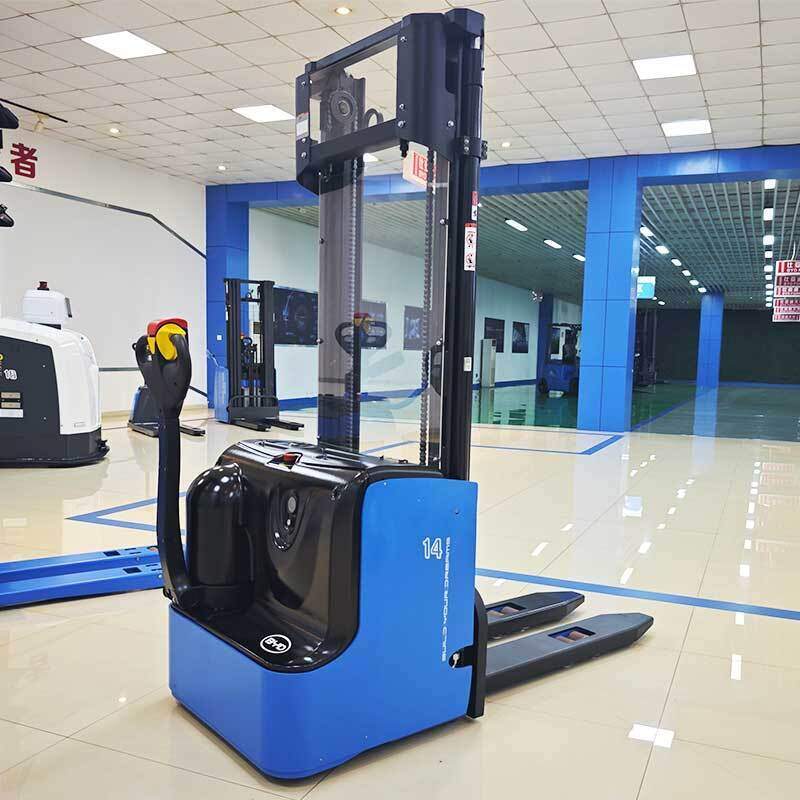
The fifth sign is that the total fleet ownership cost remains at a high level for a long time. Many operation teams only pay attention to the initial procurement cost while ignore the cumulative expenditure of fuel, battery replacement, maintenance and other items in the whole use cycle. The long service life of lithium-ion forklift power units can help you effectively reduce the comprehensive cost of fleet operation in the long run.
If your operation meets more than two of the above signals, you can consider updating your fleet with lithium-ion forklifts to optimize the overall operation efficiency. We are Jianshu New Energy, focusing on BYD electric forklift supply, if you have relevant consultation demands, please send email to [email protected] for further communication.


