
 English
 简体中文
 Русский
 Français
 Português
 Español


Counterbalance forklifts are one of the most widely used material handling equipment across warehouses, manufacturing workshops, logistics yards and port operation scenarios. To help operators and fleet managers master proper usage rules and give full play to the value of the equipment, we sort out 12 practical points that deserve full attention.
1. Its core rear counterweight design offsets the load weight carried on the front forks, which removes the need for supporting arms around the operation area, leaving more flexible moving space for operators.
2. The load capacity of common standard models usually ranges from 1 ton to 5 tons, users can select the appropriate specification according to their actual daily handling demands.
3. Most modern counterbalance forklifts are powered by on-board batteries, which produce no exhaust emission during operation, perfectly fit for indoor closed scenarios with strict air quality requirements.
4. The running noise level of electric counterbalance forklifts is far lower than traditional internal combustion models, which can effectively reduce noise interference to staff working in the same working site.
5. It can adapt to multiple types of flat ground, including cement pavement, wear-resistant terrace and compacted outdoor gravel roads.
6. Routine pre-operation inspection on brake system, fork wear status and remaining battery power is necessary, which helps eliminate potential safety risks in advance.
7. Operators need to receive standardized professional training before taking positions, and strictly follow operation specifications to avoid overload operation.
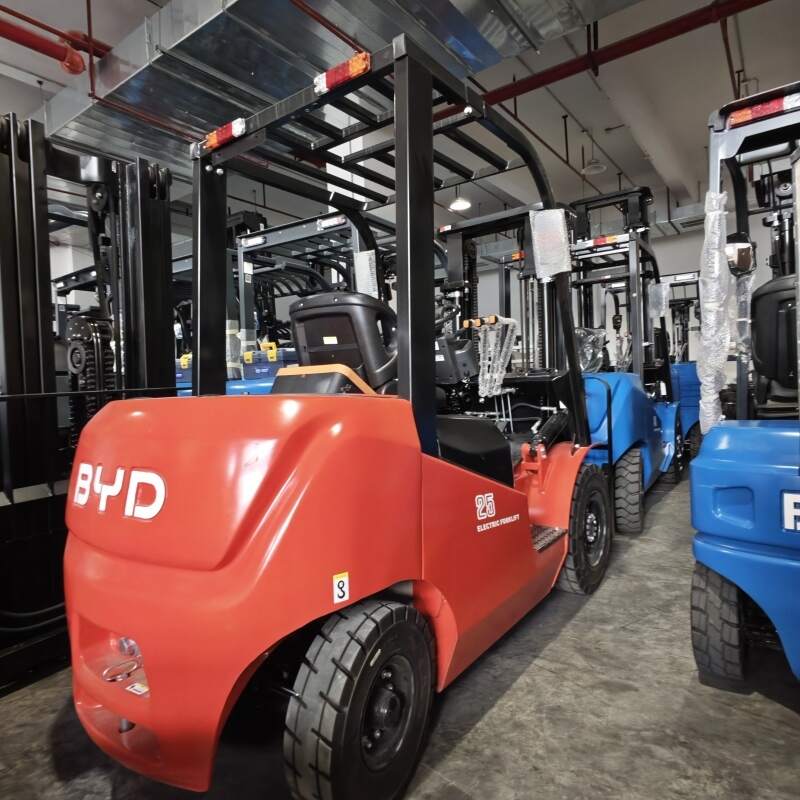
8. The maintenance cycle of electric counterbalance forklifts is longer than traditional fuel models, as there is no complex engine oil supply and exhaust system that needs frequent maintenance.
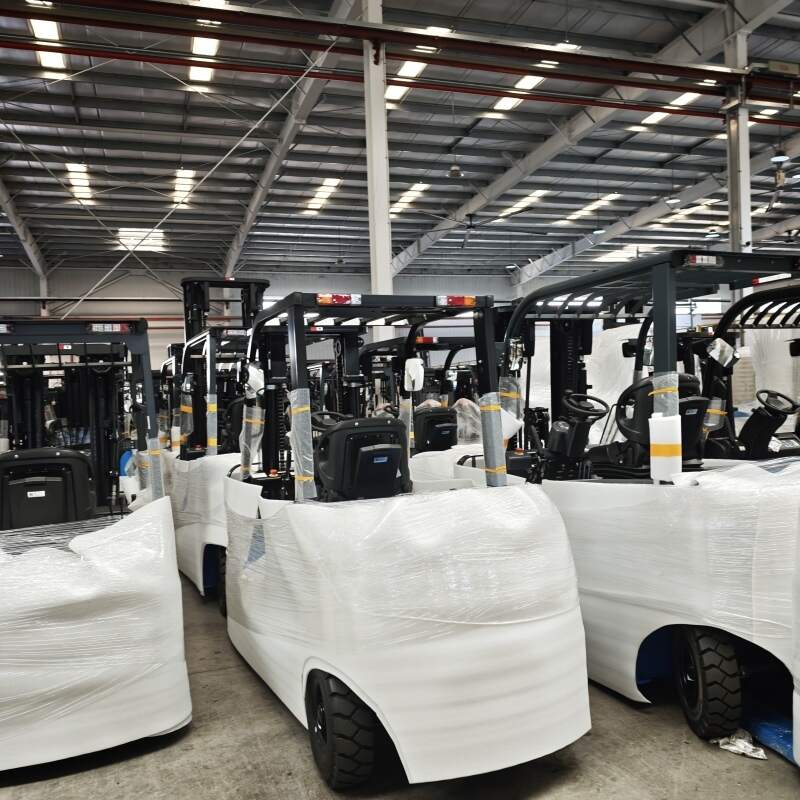
9. It supports multiple optional attachments, such as barrel clamps, soft bag clamps and side shifters, to meet different types of special cargo handling requirements.
10. The minimum channel width required for its normal turning operation is relatively smaller than many other heavy-duty material handling equipment, which helps optimize the storage space layout of the site.
11. When the forklift is in operating status, no personnel are allowed to stand or walk under the lifting forks, to avoid accidental injury.
12. The battery of electric counterbalance forklift needs to be charged in a well-ventilated special charging area, and long-time overcharging is not allowed to extend the overall service life of the battery.
As a professional supplier dedicated to high-quality electric counterbalance forklifts, Jianshu New Energy is committed to providing reliable equipment and supporting services for different industrial users. For more product related inquiries, you can send emails to [email protected] at any time.


