
 English
 简体中文
 Русский
 Français
 Português
 Español


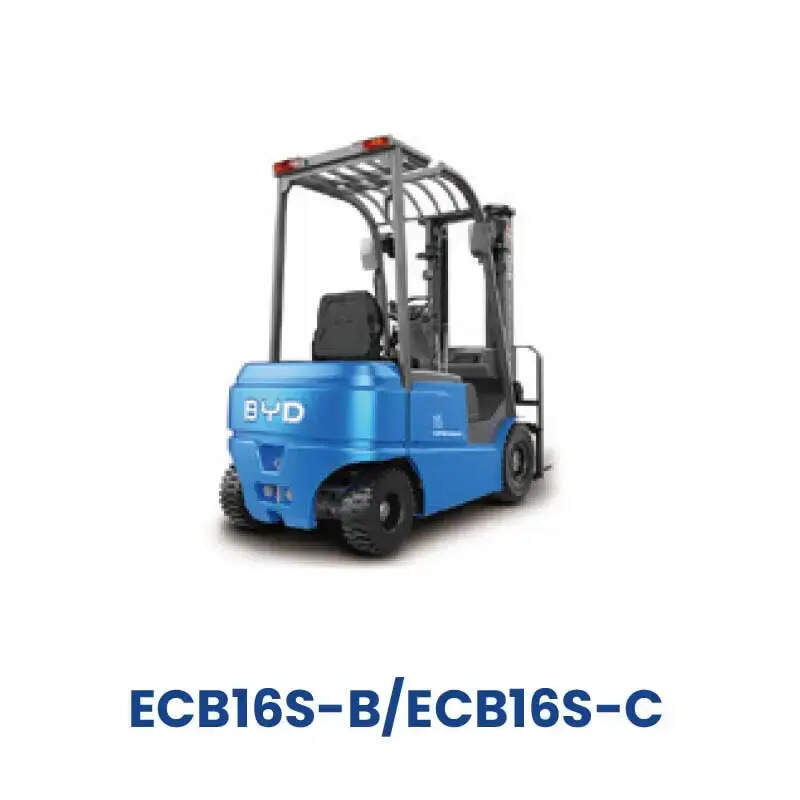
As eco-friendly and low-noise material handling equipment, electric forklifts have been widely applied in modern warehousing, manufacturing intra-logistics and retail distribution scenarios in recent years. Mastering standardized operation and maintenance rules can help operators give full play to the equipment’s performance, avoid unnecessary downtime and reduce potential safety hazards effectively.
Core Pre-Operation Inspection Protocols
Before starting each shift, operators need to complete a full range of basic inspection steps to rule out hidden risks in advance. First, check the remaining battery level to make sure it can support the whole shift’s basic operation, avoid sudden power loss in the middle of heavy-load transport. Next, test the braking system, steering sensitivity, lifting hydraulic performance of forks, and the normal working status of warning lights, horns and reversing buzzers. Operators also need to check the surface of forks for obvious deformation or excessive wear, and confirm there are no loose exposed wires on the vehicle body. Any detected abnormal situation should be reported to the management team in time, instead of forcing the equipment to run under faulty status.
Standardized Daily Operation Specifications
During the operation process, operators should strictly follow the load limit marked on the equipment nameplate, avoid overloading that may cause damage to the hydraulic structure or lead to vehicle tipping risks. When driving on narrow aisles, turning corners, or passing areas with dense pedestrian flow, operators should slow down appropriately and sound the horn to remind surrounding staff to pay attention. It is not allowed to turn sharply on sloped surfaces, or carry irrelevant personnel on the forklift body without dedicated supporting facilities. When lifting high-position cargos, operators should keep the vehicle body stable and avoid sudden acceleration or deceleration that may cause cargo slipping.
Routine Maintenance Rules to Optimize Equipment Performance
After each daily operation, operators should park the electric forklift at the designated position, lower the forks to a level close to the ground, cut off the power supply completely, and connect the equipment to the matched charging device according to the battery specification requirements. It is not recommended to drain the battery power completely before charging, which may shorten the overall cycle life of the power battery. Operators can wipe off the dust, accumulated cargo debris and water stains on the vehicle body regularly, avoid washing the electronic control components directly with high-pressure water. The transmission and moving connection parts should be lubricated according to the preset cycle, to reduce abnormal wear caused by long-term friction. Following these basic standardized operation and maintenance rules can help enterprises extend the service life of electric forklift equipment, reduce unplanned maintenance costs, and build a safer and more orderly material handling operation environment.


