
 English
 简体中文
 Русский
 Français
 Português
 Español


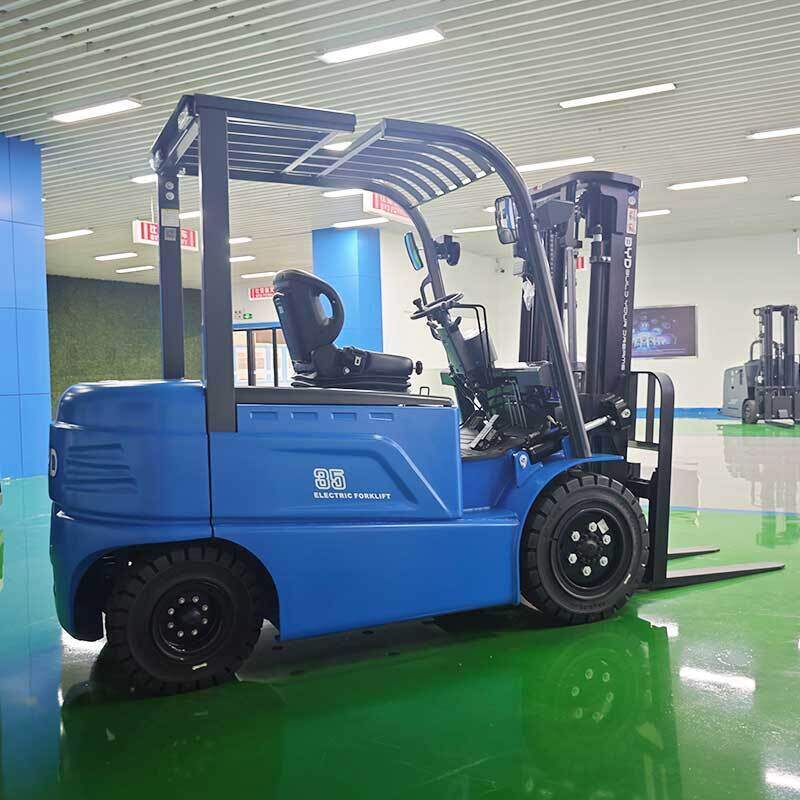
As zero-emission material handling equipment gains wider popularity across global logistics and industrial sectors, electric forklifts have become a preferred option for most closed working scenarios in recent years. This guide shares verified practical knowledge for users to grasp core points of using such equipment properly.
Core Functional Advantages of Electric Forklifts
Compared with traditional internal combustion counterparts, electric forklifts generate far lower noise and no tail gas emission during operation, which fits the environmental protection requirements of closed warehouses, food processing workshops and indoor production areas. The overall energy consumption cost per unit working hour is usually lower than that of fuel-powered models, and the vibration generated in the running process is also reduced to a large extent, which can cut the wear of internal structural parts in long-term use. Most models also have simpler operating control logic, which lowers the learning threshold for new operators.
Standard Operation Specifications for Daily Use
Before each shift, operators need to complete basic inspection work including checking the remaining power of the power unit, the flexibility of the braking system, the intact state of the forks and the normal response of the warning light system. Operators should follow the rated load limit of the equipment strictly, avoid overloading operation which may cause damage to the hydraulic lifting structure, and keep a safe distance with surrounding personnel and goods when turning or moving in narrow channels. It is not recommended to leave the equipment with full load parked on slopes for a long time to avoid potential safety risks.
Routine Maintenance Tips for Longer Service Life
Daily maintenance work does not require overly complex professional operations. Users can wipe the dust and sundries on the surface of the motor and power module regularly, keep the charging interface clean and avoid the situation of full power depletion before recharging. It is suggested to check the sealing performance of the hydraulic oil pipe every 30 working days, replace the worn rubber parts in time, and avoid long term storage of the equipment in high humidity or extreme temperature environment, which can effectively reduce the failure rate in daily operation.
Scenario Matching Suggestions for Higher Efficiency
Users can select corresponding configuration of electric forklifts according to their actual working scenes. For narrow channel warehouses with limited operation space, compact body models can help improve the utilization rate of storage space. For multi-shift continuous operation scenarios, models with quick replaceable power units can reduce the waiting time for charging, and properly matching the equipment with actual work demands can help the whole material handling process run more smoothly.


