
 English
 简体中文
 Русский
 Français
 Português
 Español


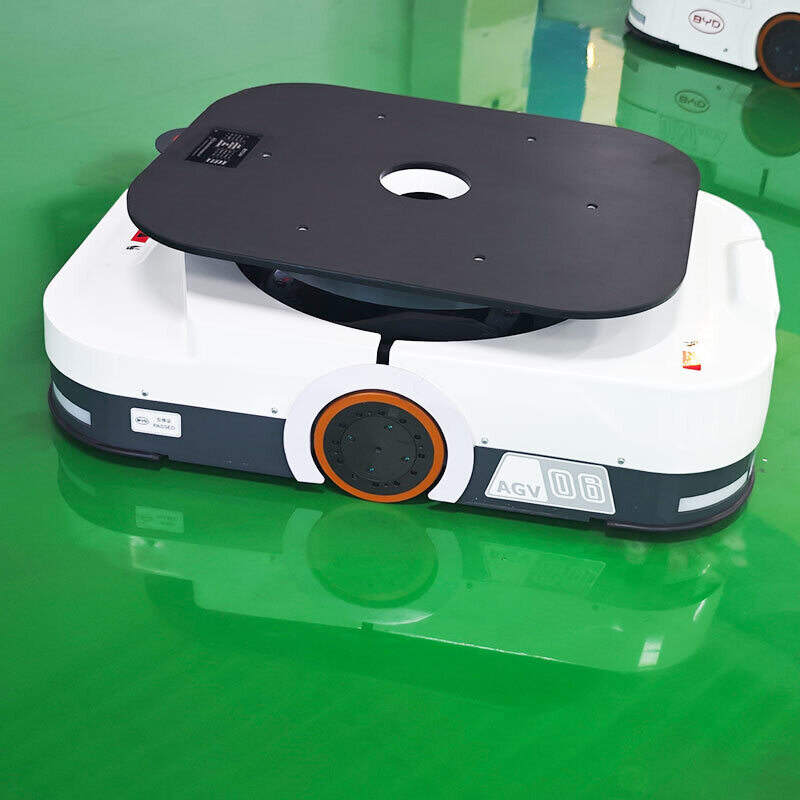
In recent years, electric forklifts have become one of the most widely used material handling equipment in modern warehouse, manufacturing and distribution scenarios, thanks to their low noise, zero local emission and relatively low long-term operation cost advantages. For frontline operators and warehouse management teams, mastering standard operation rules and reasonable maintenance methods can fully release the equipment’s performance, reduce unnecessary downtime, and create safer working conditions for all on-site staff.
Basic Operation Specifications for Daily Use
Before starting any shift operation, operators need to complete necessary pre-check procedures, including testing the sensitivity of the braking system, confirming the remaining power level, checking whether the fork structure has obvious deformation, and verifying the normal operation of lighting and warning lights. During the operation process, avoid frequent sharp acceleration or sudden steering, do not carry loads that exceed the rated load capacity of the equipment, and keep the load at a low position when moving on uneven ground or ramps. It is not allowed to use the forklift to carry unrelated personnel, and operators should keep a clear view of the surrounding obstacles and pedestrians at all times to avoid collision risks.
Routine Maintenance Practices to Prolong Equipment Lifespan
Routine maintenance work can effectively reduce the failure rate of electric forklifts in long-term use. For the power battery component, operators should avoid over-discharging the battery to a very low power level, and complete the charging work in a cool, ventilated and dry environment that meets safety requirements. The heat dissipation structure of the driving motor needs to be cleaned regularly to avoid accumulated dust blocking the air passage, which may cause overheating during high-load operation. Regular inspection of the seal parts of the hydraulic lifting system can timely find potential oil leakage risks, and replenish the hydraulic oil according to the specified cycle to ensure the stability of the lifting performance.
Scenario-based Efficiency Optimization Suggestions
For different application scenarios, users can adjust the operation mode to get better use effect. In narrow aisle storage scenarios, operators can slow down the driving speed appropriately and reserve enough turning space to reduce the probability of collision with shelf structures. In low-temperature cold storage working environment, take necessary thermal insulation measures for the power battery module to avoid the sharp drop of battery output performance under ultra-low temperature conditions. For continuous high-intensity operation work, arrange reasonable rotation rest time for the equipment, to prevent long-time continuous operation from causing excessive wear of core components. Following the above operation and maintenance rules can help teams form a standardized equipment management system, effectively balance the input and output of logistics operation, and bring stable and reliable performance support for daily material handling work.


