
 English
 简体中文
 Русский
 Français
 Português
 Español


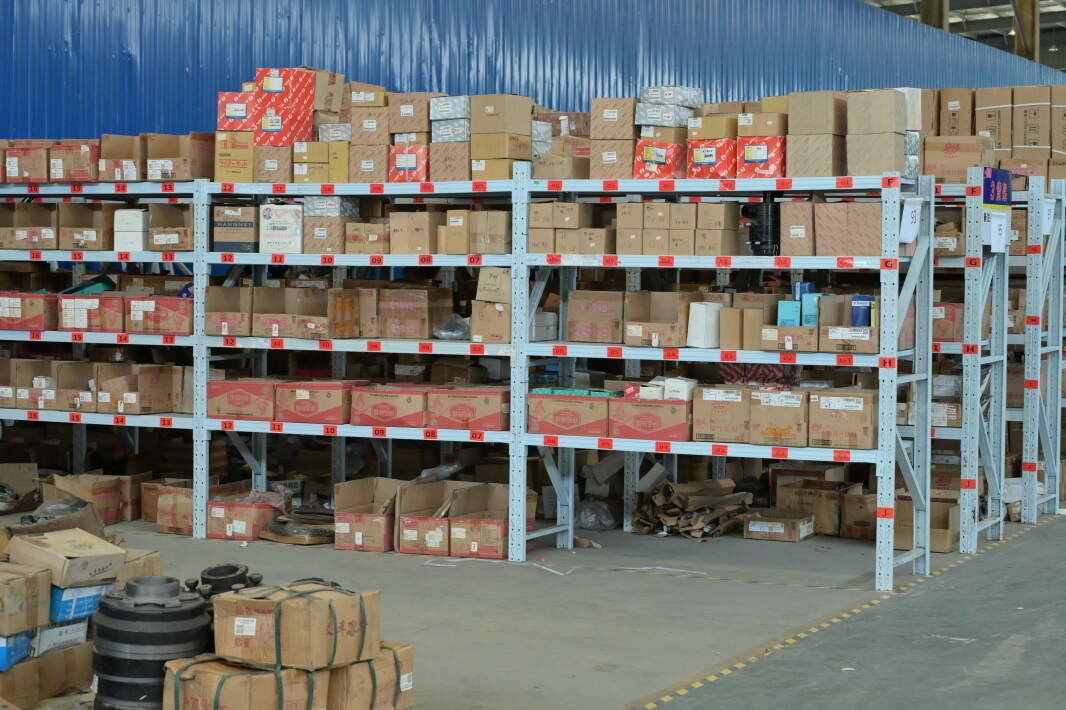
As a widely adopted logistics handling equipment in modern warehousing scenarios, electric forklifts have gained increasing popularity across multiple industry segments in recent years. Mastering the core characteristics and correct usage rules of such equipment can help relevant practitioners reduce unnecessary operation risks and improve overall operation stability.
Core Performance Characteristics of Electric Forklifts
Different from internal combustion power counterparts, standard electric forklifts rely on stored electrical energy as the core power source, which produces no exhaust emission during normal operation, and runs with far lower noise level. Such features make them highly applicable for closed indoor working scenarios, including food processing workshops, pharmaceutical storage areas and retail distribution centers that have strict requirements for environmental cleanliness. The load capacity of conventional electric forklift products covers the common demand range of daily material handling, with adjustable lifting height that fits most standard shelf settings, and the overall power output can meet the basic requirements of frequent short-distance material transfer in warehouse sites.
Standard Daily Maintenance Protocols
Routine scientific maintenance is the core premise to keep electric forklifts in stable working condition for a long time. Before each shift, operators need to check the power storage status of the battery, the braking sensitivity of walking mechanism, and the sealing status of the hydraulic lifting system, to eliminate hidden risks in early stage. Operators also need to clean the dust and debris accumulated around the motor heat dissipation structure regularly, to avoid overheating caused by blocked heat dissipation channels. When the equipment is not in use, it is recommended to park it in a dry, ventilated and dedicated charging area, avoid long-term full load storage that may cause irreversible damage to the battery pack.
Practical Operational Optimization Tips
To maximize the working efficiency of electric forklifts, operators need to confirm the width of the operation channel and the load weight before starting the task, to avoid overloading operation that may cause extra wear of the hydraulic structure. When the forklift passes through narrow passages or turns at low speed, the operating speed should be controlled within a safe range to avoid scratching the shelves or surrounding facilities. For long-term idle equipment, the main power switch should be turned off to reduce unnecessary power consumption, and the functional parameters of the control system can be calibrated regularly according to the actual usage frequency, to keep the operation response within a stable and comfortable range.


