
 English
 简体中文
 Русский
 Français
 Português
 Español


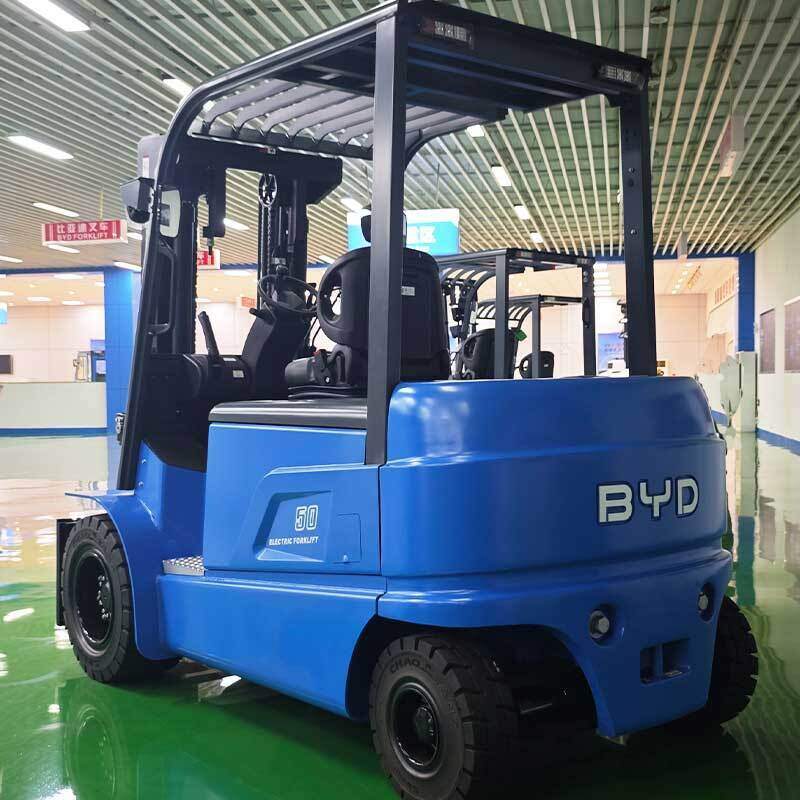
As more logistics and manufacturing facilities prioritize low-emission operation and cost control, electric forklifts have become a mainstream option for indoor and enclosed site material handling in recent years. This guide covers core practical knowledge for operators and site managers to make full use of this type of equipment properly.
Core Functional Features of Electric Forklifts
Unlike fuel-powered counterparts, electric forklifts produce zero local exhaust emission during operation, which avoids air quality degradation in enclosed warehouse spaces that lack large ventilation systems. Their whole structure generates much lower working noise, which reduces noise pollution for on-site staff and creates a more comfortable working environment for long shifts. The power output of electric driving systems is smooth and adjustable, which lowers the risk of cargo shaking and falling during handling, making it suitable for transporting fragile packaged goods and high-value finished products.
Standard Operating Specifications for Daily Usage
Before starting each shift, operators need to conduct a basic pre-check on braking performance, residual power level, fork wear condition and warning light status to eliminate hidden safety risks in advance. Operators should strictly follow the rated load limit of the equipment, avoid overloading operation that may cause loss of control of the vehicle or damage to the hydraulic system. When driving in narrow aisles, passing by pedestrian gathering areas or turning near stacking zones, operators need to reduce speed properly and give way to walking staff on site. It is not recommended to park the equipment on sloped surfaces for a long time, and operators need to cut off the main power supply after finishing the work of each shift.
Routine Maintenance Suggestions for Long Service Life
For the energy storage system of electric forklifts, operators need to arrange charging in dry and ventilated dedicated areas, avoid full discharge of the battery pack before charging, and regularly check the connection terminals to prevent loose contact. Site maintenance staff should clean the heat dissipation structure of the driving motor regularly to avoid accumulated dust blocking the air outlet, and check the sealing parts of the hydraulic lifting system every month to prevent oil leakage. Following these reasonable maintenance arrangements can effectively reduce unexpected failure rate, lower long-term operation cost and extend the whole service cycle of the equipment.


