
 English
 简体中文
 Русский
 Français
 Português
 Español


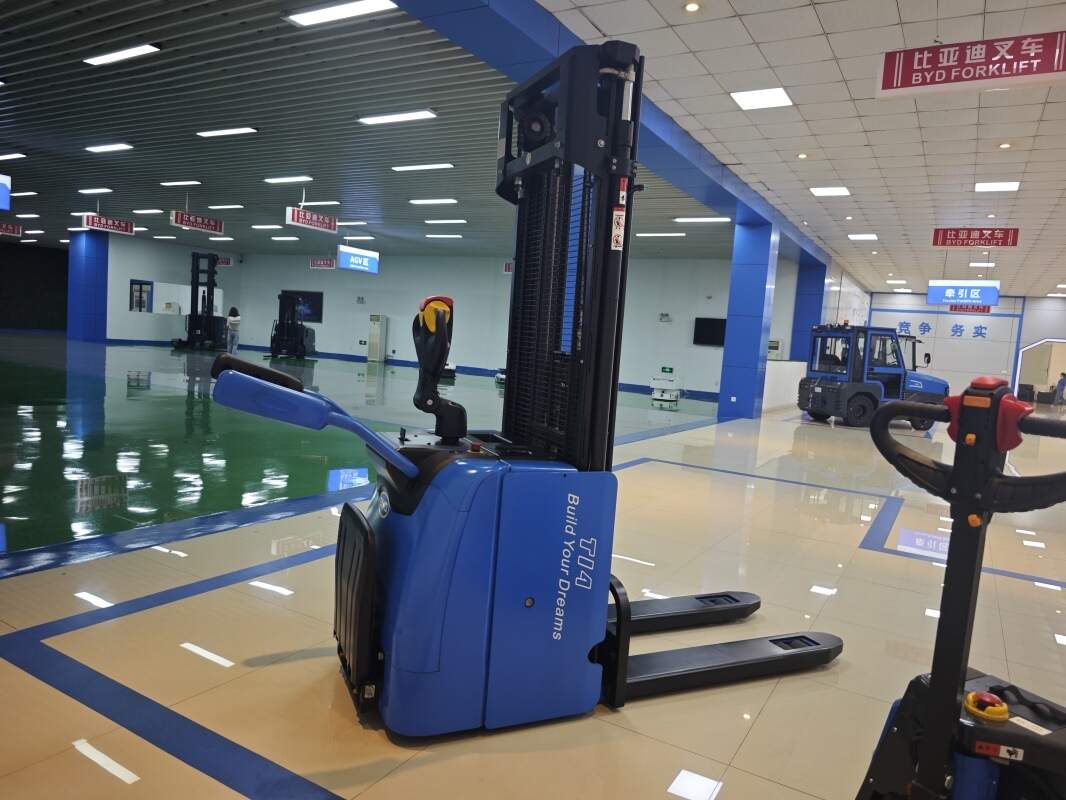
As low-carbon logistics and warehouse operation concepts gain wider recognition across the industrial sector, electric forklifts have become one of the most widely applied material handling equipment in indoor storage, retail distribution and light manufacturing scenarios. This guide sorts out practical industry insights for operators and warehouse managers to get more stable performance from this type of equipment.
Core Advantages of Standard Electric Forklifts
Compared with internal combustion counterparts, most electric forklift products on the current market operate with much lower noise levels, and produce no direct exhaust emissions, which fits the operation requirements of enclosed indoor spaces such as food storage and pharmaceutical warehouses. The power output curve of electric drive systems is smoother during operation, which brings more precise control performance for operators to adjust the lifting and moving status of loaded goods, reducing the risk of collision damage to goods or warehouse shelves in daily handling tasks. Most electric models also occupy relatively smaller space in body structure, which brings more convenience for passing through narrow warehouse aisles.
Standardized Daily Operation Guidelines
Before starting each shift, operators need to check the remaining power level of the power pack, confirm the flexibility of the lifting hydraulic system, and test the validity of the braking and warning light systems. During the operation process, operators should avoid overloading the equipment beyond its rated load range, and do not drive at high speed on wet, uneven warehouse ground to prevent sideslip or rollover risks. For long distance transfer of heavy pallets, operators should plan the driving route in advance to avoid frequent sharp turns that may cause extra wear to the tire components. New operators need to complete full system training before independently taking charge of operation tasks.
Routine Maintenance Suggestions for Longer Service Cycle
After each day’s operation, users need to wipe off the dust and spilled cargo residues on the equipment surface, and store the equipment in a dry, ventilated area with suitable temperature to avoid damp corrosion to the internal electrical control modules. Regularly check the connection points of the power system, and arrange professional personnel to conduct a full inspection of the transmission and hydraulic system once every 3 to 6 months according to the actual operation frequency. Proper daily maintenance can effectively reduce the occurrence of unexpected equipment failures, and lower the long-term operation cost for warehouse teams. Following these reasonable operation and maintenance rules, enterprises can give full play to the value of electric forklift equipment, and steadily improve the overall operation efficiency of the entire material handling link.


