
 English
 简体中文
 Русский
 Français
 Português
 Español


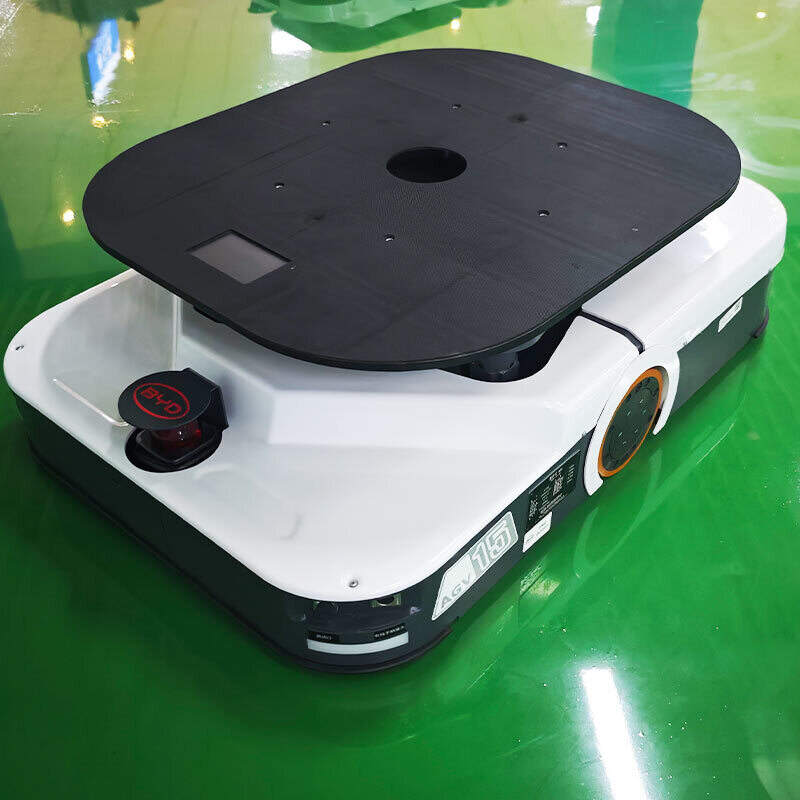
Against the backdrop of growing demand for low-carbon and low-noise industrial logistics solutions, electric forklifts have become one of the most widely used material handling equipment in modern warehouses, manufacturing workshops and distribution centers. Mastering systematic operation and maintenance knowledge can help relevant staff give full play to the advantages of such equipment, and create more stable value for daily logistics links.
Core Pre-operation Inspection Specifications
Before starting each shift of operation, operators need to complete a full set of pre-use checks to eliminate hidden risks in advance. The first step is to check the remaining battery power to confirm it can support the whole shift of operation without sudden power loss in the middle of the task. Then check the sensitivity of the braking system, the wear degree of the fork surface and the smoothness of the lifting hydraulic structure, to avoid abnormal shaking or slipping of goods during operation. Operators also need to confirm that all control buttons on the operation console can respond normally, and the safety warning lights and sound prompt devices are in good working condition.
Standard Operation Optimization Tips
In the actual operation process, operators need to strictly abide by the rated load limit marked on the equipment nameplate, avoid long-time carrying of overweight goods to prevent extra loss of the power system and hydraulic structure. When driving in areas with dense pedestrian flow or stacked goods, operators need to reduce the driving speed properly, and give sound prompts in advance at blind corners and turning positions. When driving on sloped roads, keep the goods facing the uphill direction, avoid turning on the slope to prevent side slipping. It is also not recommended to use the fork to directly pry heavy goods, which may cause irreversible deformation of the metal structure.
Daily Routine Maintenance Suggestions
After each shift, operators need to park the equipment in the designated charging area, tidy up the fork to the lowest position, and complete the appearance cleaning to remove the dust, spilled goods residue and sundries stuck to the surface of the equipment. For the power battery module, follow the specified charging process to avoid long-time overcharging or complete power depletion, which can extend the overall service life of the battery. The maintenance team can arrange regular lubrication for the movable connection parts of the equipment, check the sealing performance of the hydraulic pipeline, and replace the worn consumable parts in time according to the actual use condition. Proper daily maintenance can effectively reduce the probability of sudden equipment failure, and lower the long-term comprehensive operation cost of the logistics system.


