
 English
 简体中文
 Русский
 Français
 Português
 Español


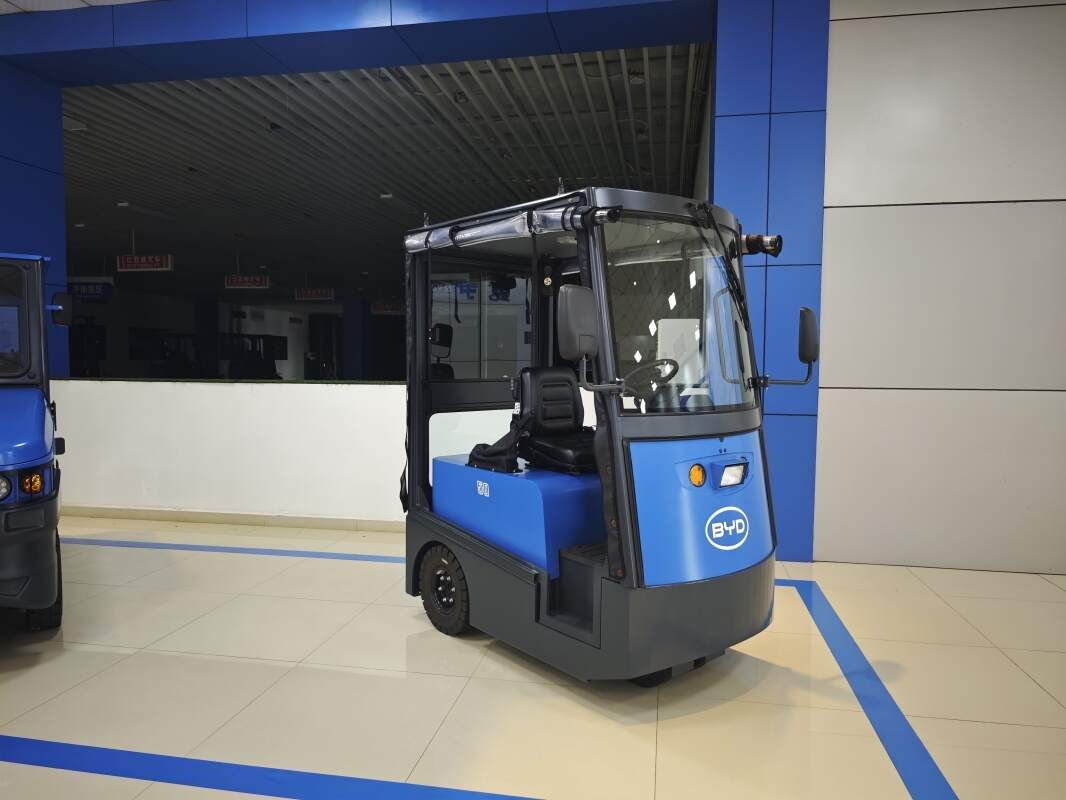
As low-carbon logistics development gains wider popularity across the material handling sector, electric forklifts have become a widely adopted option for most warehouse and distribution site operators in recent years. This guide breaks down core practical knowledge for both new and experienced operators to maximize the use value of the equipment in daily work.
Core Operational Advantages of Electric Forklifts
Unlike internal combustion counterparts, electric forklifts generate zero onsite exhaust emission during operation, which fits well with enclosed warehouse spaces that have strict ventilation requirements. Their operating noise level stays at a relatively low range, reducing disturbance to on-site staff working in adjacent areas, and lowering the long-term noise exposure risk for frontline operators. The power consumption cost per working hour is generally lower than the fuel cost of traditional forklifts, which helps control the overall operational expenditure for sites with high daily handling frequency. The simplified transmission structure also reduces the demand for frequent component replacement during long-term use.
Practical Daily Maintenance Guidelines
Regular basic checks can effectively extend the service cycle of key components, avoiding unexpected downtime that disrupts normal operation scheduling. Operators are suggested to check the battery status, tire wear condition and brake sensitivity before each shift, and clean the dust and residual cargo debris on the body surface and operating joysticks after finishing daily work. For power packs, follow the official recommended charging procedure to avoid deep discharge that may cause irreversible damage to the battery performance, and store the equipment in a dry, ventilated space when it is not in use for a long period. Do not place the equipment close to high temperature heat sources to avoid unnecessary safety risks.
Scenario Adaptation Optimization Tips
For sites with high lifting height requirements, adjust the load weight according to the specified load curve to keep operation stable. When working on wet or slippery ground, appropriately reduce the driving speed to avoid sideslip risks. Reasonably arrange the daily working schedule to match the battery capacity reserve, arranging charging or battery swapping during non-peak working hours to reduce the impact on normal material handling flow. Operators can also make small adjustments to the operation parameters according to the actual site environment to get better use experience.


