
 English
 简体中文
 Русский
 Français
 Português
 Español


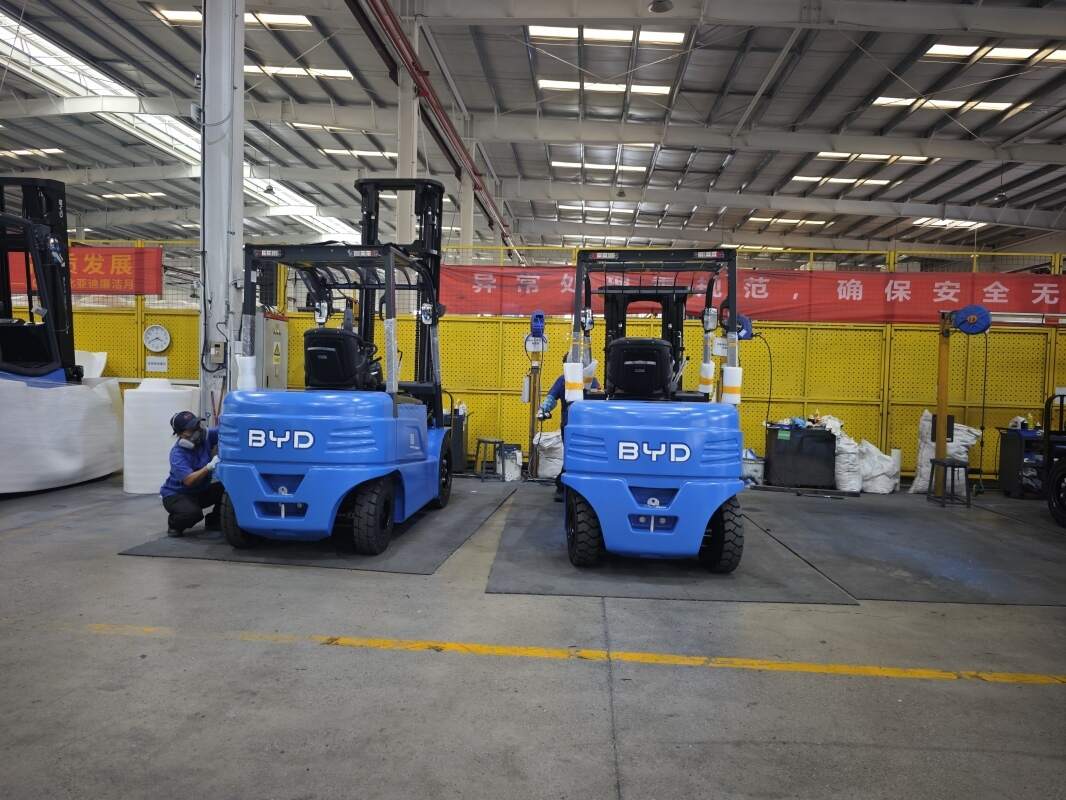
Against the background of rapid development of modern industrial logistics, electric forklifts have become one of the most widely used material handling equipment in closed warehouse scenarios, for their low noise, zero local emission and relatively flexible operation characteristics. Many frontline operators and warehouse managers lack systematic cognition of standard use rules, which may lead to unnecessary equipment wear and hidden safety risks in daily work.
Core Standard Operation Specifications
Before starting the equipment every shift, operators need to complete basic pre-inspection work, including checking the residual power of the power system, the flexibility of the steering structure, the sensitivity of the braking system and the integrity of the load accessories. During the operation process, operators should keep the vehicle body running at a stable low speed in dense personnel and narrow channel areas, avoid sudden steering and sudden braking actions, and keep the loaded goods in the low position when moving to reduce the risk of goods falling. It is not recommended to overload the equipment beyond the rated load weight for a long time, which will produce extra load on the drive motor and the lifting structure.
Routine Maintenance and Care Methods
After each shift is completed, operators should wipe the surface dust and residual sundries of the equipment, check whether the heat dissipation holes of the power system are blocked, and place the equipment in the designated ventilation and dry storage area. For the power battery module, relevant personnel should follow the official specified charging rules, avoid long-term over-discharge and full-power storage for more than 72 hours, and regularly check the tightness of the wiring connector to avoid poor contact. The lubrication points of the transmission and lifting structure need to be filled with professional lubricating grease at the specified cycle, to reduce the friction loss between metal contact parts.
Energy Efficiency Optimization Suggestions for Long Time Operation
For scenarios that need to run continuously for multiple shifts, warehouse managers can arrange reasonable operation routes according to the layout of the storage area, reduce unnecessary long-distance reciprocating driving, and properly plan the charging time according to the actual operation peak, to avoid the situation of sudden power failure in the peak operation period. Regularly sort out the accumulated operation data of the equipment, count the common faults and wear rules, and arrange targeted inspection and maintenance during the non-operation idle period, which can effectively reduce the unexpected downtime in the peak production period. Following the above practical use rules can help relevant personnel give full play to the use value of electric forklifts, create a safer and more efficient material handling working environment, and bring stable benefits to the daily operation of the warehouse.


