
 English
 简体中文
 Русский
 Français
 Português
 Español


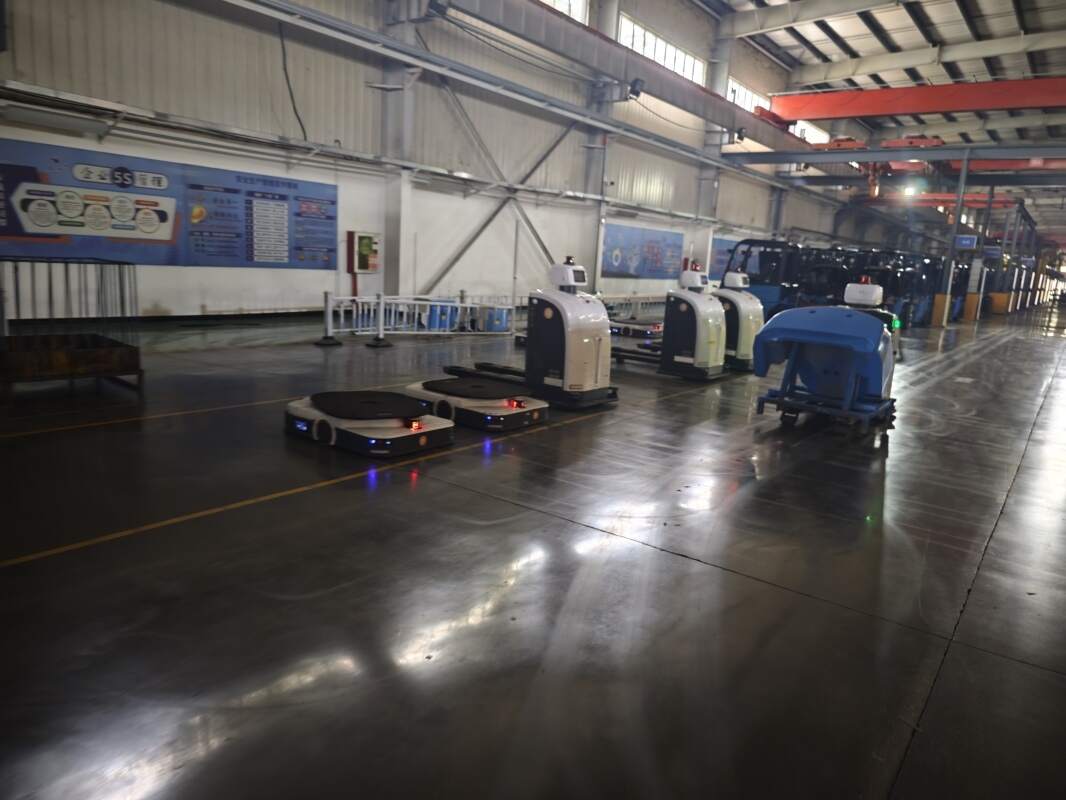
As the electrification trend of industrial material handling continues to spread, electric forklifts have become a widely adopted equipment in various logistics and manufacturing scenarios. This practical guide, based on years of frontline industry experience, systematically sorts out the core knowledge points that relevant practitioners need to master, to support stable and efficient daily operation.
Core Pre-operation Inspection Specifications
Before starting any operation, operators need to complete a series of standardized checks to eliminate potential hidden risks. First, confirm the remaining power level of the power supply unit to ensure it can support the estimated workload of the whole shift, and observe whether the connection points of the power line have abnormal wear or loose contact. Then check the sensitivity of the braking system and steering mechanism, test the lifting and tilting function of the cargo fork frame, and confirm that the safety warning lights and sound prompts can work normally. Operators should also check that the working area does not have obvious obstacles that may affect the running track, to avoid unnecessary scraping during operation.
Daily Scientific Maintenance Guidelines
Standardized daily maintenance can effectively extend the service life of equipment and reduce the probability of unexpected failures. For the power supply unit, follow the specified charging process, avoid frequent full discharge before charging, and ensure the heat dissipation condition is good during the charging process. For the mechanical transmission part, regularly clean the dust and debris accumulated in the moving gap, apply the specified type of lubricating oil on schedule, and check the wear degree of the tire surface regularly to replace the worn parts in time according to the operation manual. It is not recommended to park the equipment in a high humidity or high temperature environment for a long time, to avoid accelerated aging of internal electronic components.
Scenario Adaptation Operation Suggestions
Different application scenarios put forward different requirements for the operation mode of electric forklifts. In the narrow aisle of the high-level shelf warehouse, operators need to control the running speed at a relatively low level, and keep a safe distance from the shelf body when lifting the goods to avoid collision. In the low temperature cold storage scenario, the preheating operation of the equipment should be completed before entering the working area, to avoid the influence of low temperature on the performance of electronic components. When working on the outdoor flat pavement, operators still need to avoid sudden acceleration or sudden deceleration, to keep the goods on the fork stable. Following these operation rules can help give full play to the use value of electric forklifts in different working environments.


