
 English
 简体中文
 Русский
 Français
 Português
 Español


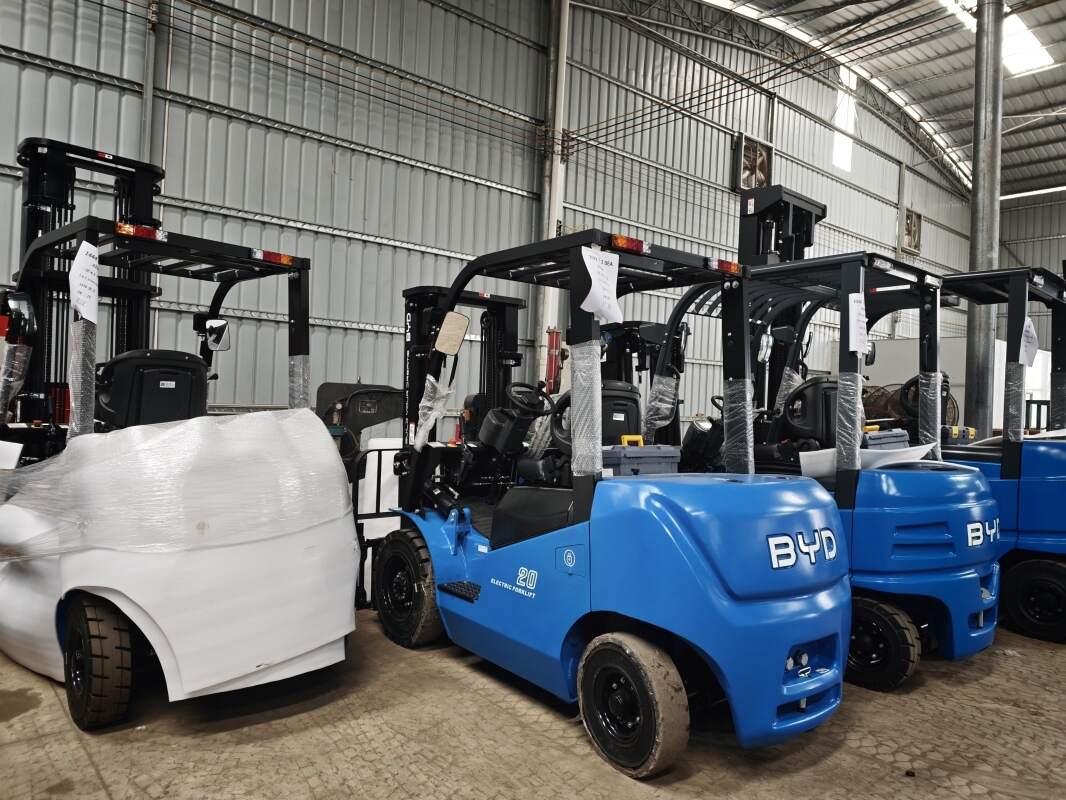
With the rising demand for low-carbon and cost-effective material handling solutions in the logistics and manufacturing sectors, electric forklifts have gradually become a mainstream choice for most operation scenarios that require frequent indoor and semi-outdoor cargo movement. Many new operators and warehouse managers still lack systematic understanding of proper usage and management methods for such equipment, which easily leads to unnecessary wear and low operation efficiency.
Core Performance Characteristics of Electric Forklifts in Common Application Scenarios
Unlike internal combustion counterparts, electric forklifts rely on battery power to generate driving and lifting force, producing zero tailpipe emission during operation, which makes them suitable for enclosed storage spaces, food processing workshops and other scenarios with strict air quality requirements. Their overall noise level is relatively lower, which can reduce disturbance to on-site staff who need to stay in the working area for long hours. The structure of electric forklifts usually contains fewer moving friction parts, so the overall failure probability under normal usage is relatively lower compared with fuel-powered products.
Standardized Daily Operation Guidelines for New Operators
Before each formal shift starts, operators need to conduct a basic pre-check, including confirming the remaining battery power, checking the flexibility of the lifting mechanism, verifying the sensitivity of the braking system, and looking for potential abnormal leakage or loose connection parts on the vehicle body. During the operation process, operators need to keep the load weight within the rated load range of the equipment, avoid sudden acceleration and sharp steering on slippery ground, and keep a safe distance from surrounding personnel and stacked goods to avoid accidental collision. When the equipment is not in use, operators need to park the vehicle in the designated area, lower the lifting fork to the ground level, and cut off the main power supply.
Practical Routine Maintenance Tips to Reduce Operation Cost
The core battery component of electric forklifts needs to be charged in strict accordance with the specified operation requirements, avoid over-discharging the battery to a very low power level for a long time, and regularly clean the dust and sundries accumulated on the surface of the battery pack to ensure good heat dissipation effect. Operators can also arrange regular inspection for the walking motor, hydraulic system and tire wear condition every certain working hour cycle, replace the worn lubricating oil and sealing parts in time, so as to avoid small hidden troubles developing into major faults that require high repair cost. Proper management and usage of electric forklifts can help enterprises obtain stable long-term return on investment, and continuously improve the overall operation efficiency of the whole material handling link.


