
 English
 简体中文
 Русский
 Français
 Português
 Español


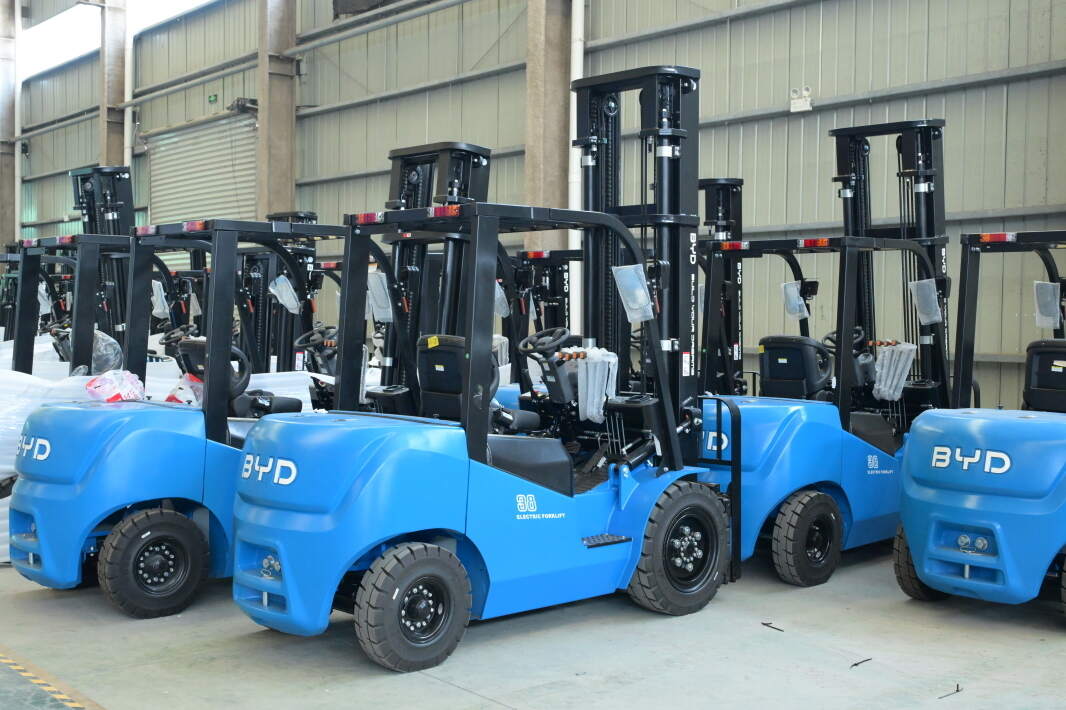
As electric forklifts become more widely adopted in modern warehouse material handling scenarios, mastering correct operation and maintenance knowledge can help operators reduce unnecessary equipment loss, improve on-site working safety, and achieve more stable daily operation efficiency.
Core Operation Rules for Daily Use
Before starting the equipment every shift, operators need to conduct basic visual checks on the body structure, wheel condition and braking system, confirm no obvious abnormal signs exist before formal operation. During the working process, operators should keep the load within the rated load range, avoid sudden steering, sudden braking operations on uneven ground, and keep a safe distance from surrounding personnel and stacked goods in the operation area. It is not recommended to lift or lower the load sharply when the equipment is moving, to avoid goods falling or equipment tipping over that may cause safety risks.
Routine Maintenance Practices to Reduce Wear
After each shift ends, operators need to clean the dust and residual sundries attached to the body surface, check the power supply status and related connection parts, and place the equipment in the designated parking area with the forks lowered to the proper position. For regular weekly checks, relevant personnel can inspect the wear degree of key moving parts, add proper amount of lubricating oil for parts that need regular lubrication, and confirm the normal operation of the hydraulic system. Long-term accumulated minor faults can be handled in time after being found in the daily inspection process, which can effectively avoid larger repair cost caused by prolonged neglect.
Optimization Tips to Boost Energy Efficiency
Arranging the operation route reasonably according to the daily goods handling plan can reduce unnecessary repeated driving, thus lowering the consumption of power energy. Operators can also adjust the working speed according to the actual on-site road condition, avoid frequent acceleration and deceleration in the working process, which can extend the single working duration under full power condition. For equipment that is not used for a long time, proper regular charging and storage in a dry, ventilated environment with suitable temperature can help maintain the overall performance of the power system, and prolong the whole service cycle of the equipment. Following the above practical operation and management points can help relevant teams give full play to the use value of electric forklifts in daily material handling work, and create more stable operating benefits for the site.


