
 English
 简体中文
 Русский
 Français
 Português
 Español


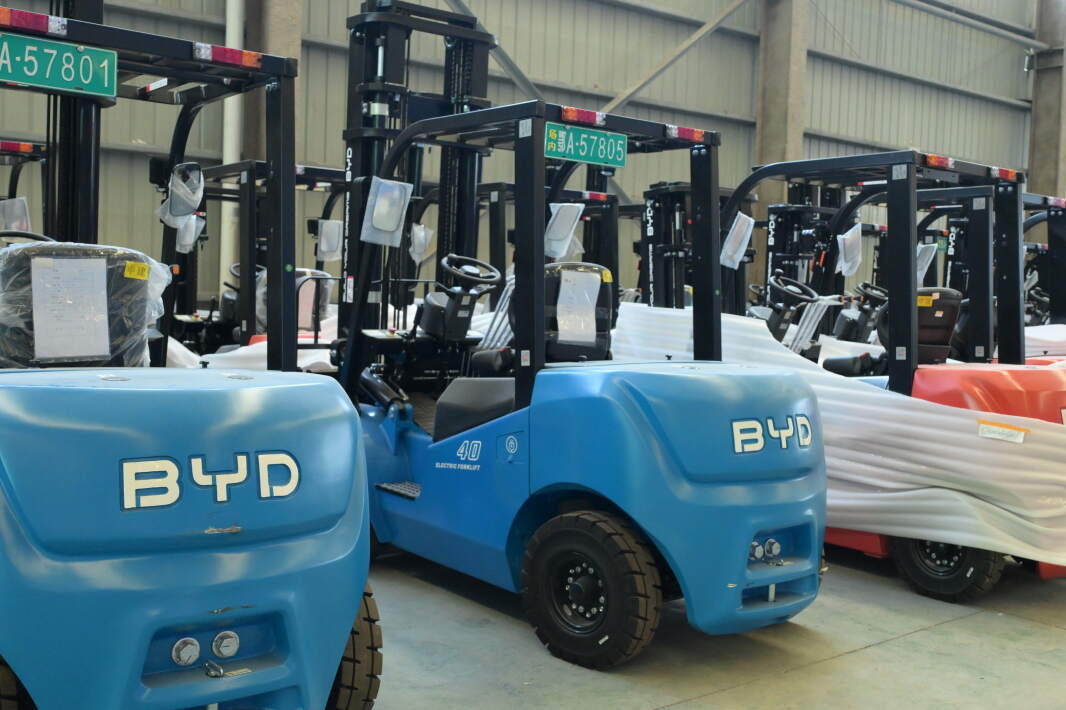
As the logistics and warehousing sector steadily shifts toward low-carbon, high-efficiency operation, electric forklifts have become one of the most widely applied material handling equipment across different industrial scenarios. This guide shares practical, evidence-based insights from years of industry practice to help operators and enterprise managers grasp core points of electric forklift usage and management.
Core Advantages of Modern Electric Forklifts
Different from internal combustion counterparts, electric forklifts generate zero tailpipe emission during operation, which fits indoor enclosed work environments well without causing harmful gas accumulation. Their overall noise level is far lower than fuel-powered models, which helps reduce noise disturbance for staff working in long shifts, and creates a more comfortable working environment in confined warehouse spaces. Most current electric forklift models adopt energy storage systems that support stable long-hour operation after full charging, matching the regular operation rhythm of most medium and small-sized warehousing sites.
Standard Daily Maintenance Protocols
Regular targeted maintenance can effectively extend the service life of core components of electric forklifts, and reduce unexpected downtime during peak operation periods. Operators can conduct pre-shift checks on the status of energy storage modules, brake systems, lifting mechanisms and tire wear conditions before each working shift, and record abnormal data properly for subsequent professional inspection. It is also necessary to keep the surface of the equipment clean, clear dust and sundries accumulated on the heat dissipation structure, and avoid long-term over-discharging of the energy storage system to keep the equipment in good working condition for a long time.
Application Scenario Adaptation Tips
Different working scenarios have different performance requirements for electric forklifts. For high-intensity continuous operation sites such as large distribution centers, users can arrange reasonable staggered charging plans to meet continuous operation demand. For narrow aisle working spaces in small parts warehouses, operators can select matched models with proper body size and turning radius to improve space utilization rate. For outdoor yard operation scenarios with uneven ground, it is recommended to choose models with proper chassis height and shock absorption performance to ensure stable operation.
Common Operation Missteps to Avoid
Operators need to receive systematic professional training before officially taking up the post, avoid overloading the equipment beyond the rated load range for a long time, and prevent sharp steering or sudden braking actions under high-speed operation status. It is also not recommended to leave the equipment with the lifting forks suspended at a high height for a long time after finishing the operation, to reduce unnecessary safety risks and component wear.


