
 English
 简体中文
 Русский
 Français
 Português
 Español


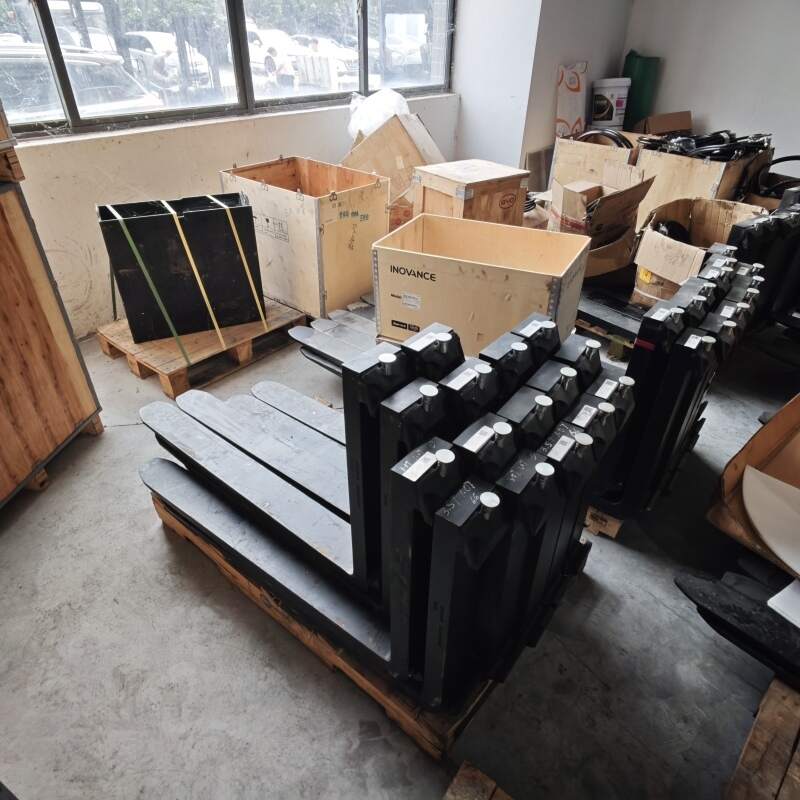
Against the background of continuous popularization of low-carbon logistics concepts, electric forklifts have gradually become one of the most widely used material handling equipment in indoor warehouses, distribution centers and light industrial production scenarios. Mastering the correct application rules and operation methods of such equipment can help enterprises give full play to its performance advantages and create higher operational value.
Core Performance Advantages of Electric Forklifts
Compared with traditional internal combustion power handling equipment, modern electric forklifts produce no local exhaust emission during operation, and the overall operating noise is controlled at a relatively low level, which can meet the environmental access requirements of closed operation spaces such as food storage areas, pharmaceutical warehouses and e-commerce sorting centers. The energy consumption cost per unit operation hour of electric forklifts is usually lower than that of fuel-driven models, which can help enterprises control daily operating expenditures in the long term. The smooth output of the electric drive system also reduces the jitter phenomenon during cargo lifting and transportation, lowering the risk of damage to fragile goods in the handling process.
Standardized Daily Operation Essentials
Before starting each shift, operators need to complete necessary pre-check procedures, including confirming the remaining power of the power unit, checking the sensitivity of the braking system, the sealing performance of the hydraulic lifting parts and the flexibility of the steering structure. Operators shall not exceed the rated load capacity of the equipment during operation, keep a stable running speed when passing narrow aisles and ramp areas, and avoid sharp steering actions under high load state, so as to reduce the wear of key components and avoid potential safety hazards caused by misoperation.
Scientific Routine Maintenance Suggestions
Regular maintenance work can effectively extend the service life of electric forklifts and reduce unexpected downtime. Operators need to clean the dust and debris accumulated on the surface of the motor heat dissipation structure regularly, check the wear degree of the charging interface and the temperature state of the power unit after long-time operation, and avoid overcharging or deep discharging of the power battery. Lubrication of walking wheels and transmission rotating parts shall be carried out according to the specified cycle, and abnormal parts found in daily inspection shall be handled in time, so as to keep the equipment in good working condition for a long time.


