
 English
 简体中文
 Русский
 Français
 Português
 Español


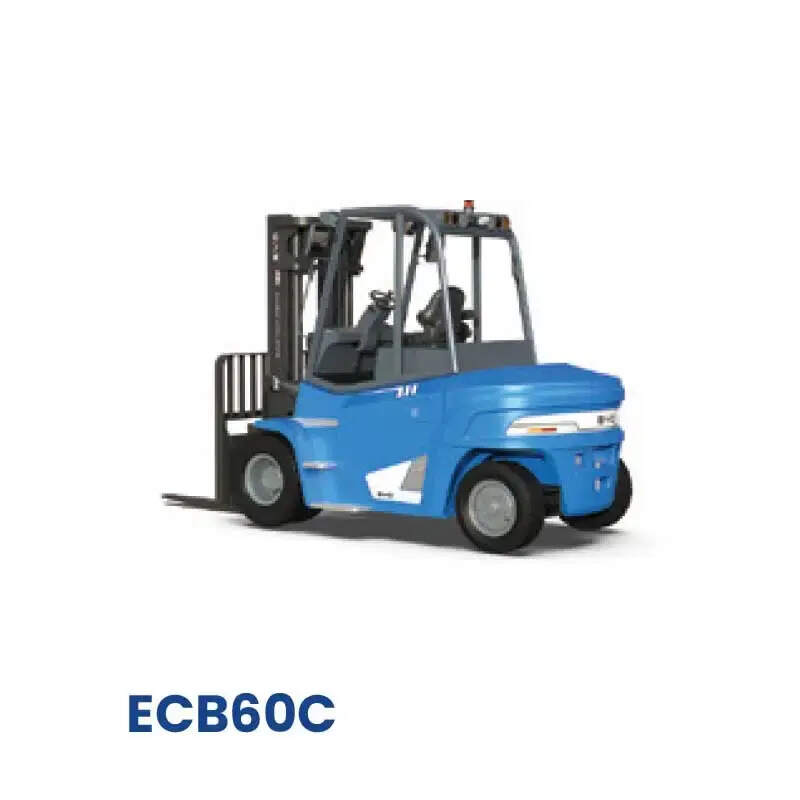
With the continuous upgrading of low-carbon and high-efficiency requirements in modern logistics and warehousing industries, electric forklifts have gradually become one of the most widely used handling equipment in closed operation scenarios. This guide explains core practical knowledge points for users to grasp for stable and efficient long-term use of such equipment.
Core Application Advantages of Electric Forklifts
Different from traditional internal combustion handling equipment, electric forklifts rely on electric power as the only energy source, which produces no tail gas emission during the whole operation process, and generates far lower operation noise than fuel-powered equipment. Such characteristics make them highly adaptable to enclosed scenarios with high environmental requirements, including food storage warehouses, pharmaceutical distribution centers, and indoor production workshops. The overall energy consumption cost per unit operation time of electric forklifts is generally lower than that of fuel-powered equipment under the same load level, which helps control the daily operating expenditure of the logistics system.
Standardized Daily Operation Specifications
Operators should receive systematic pre-post training before taking up posts, and fully grasp the specific parameters and operation limit range of the equipment. In the daily operation process, it is not recommended to exceed the rated load weight for a long time, and the driving speed should be adjusted according to the width of the operation channel and the surrounding personnel flow. When passing through the ramp area, the operation direction should keep the load end facing upwards, and avoid emergency steering or sudden braking as much as possible to reduce unnecessary wear of tires and braking components.
Scientific Routine Maintenance Points
Before each shift of operation, operators need to check the remaining power of the power battery, the wear degree of the tire surface, and the sensitivity of the braking and lifting system. For the charging process, users should arrange the operation in a well-ventilated designated area, avoid over-discharging the battery to the lowest allowed level frequently, and regularly check the tightness and oxidation condition of each circuit connection port. Regular cleaning of dust and sundries accumulated on the surface of the equipment can also effectively reduce the risk of component blockage.
Long-term Efficiency Optimization Suggestions
According to the actual average load demand and daily operation duration of the site, users can adjust the corresponding operation parameters of the equipment to match the actual use scenario, avoiding excessive performance waste. Reasonably arrange the peak-valley charging schedule according to the local power price policy, and make simple operation logs for each equipment to record the daily operation status, which can help maintenance personnel find potential minor faults in time, and avoid larger maintenance cost loss caused by delayed treatment.


