
 English
 简体中文
 Русский
 Français
 Português
 Español


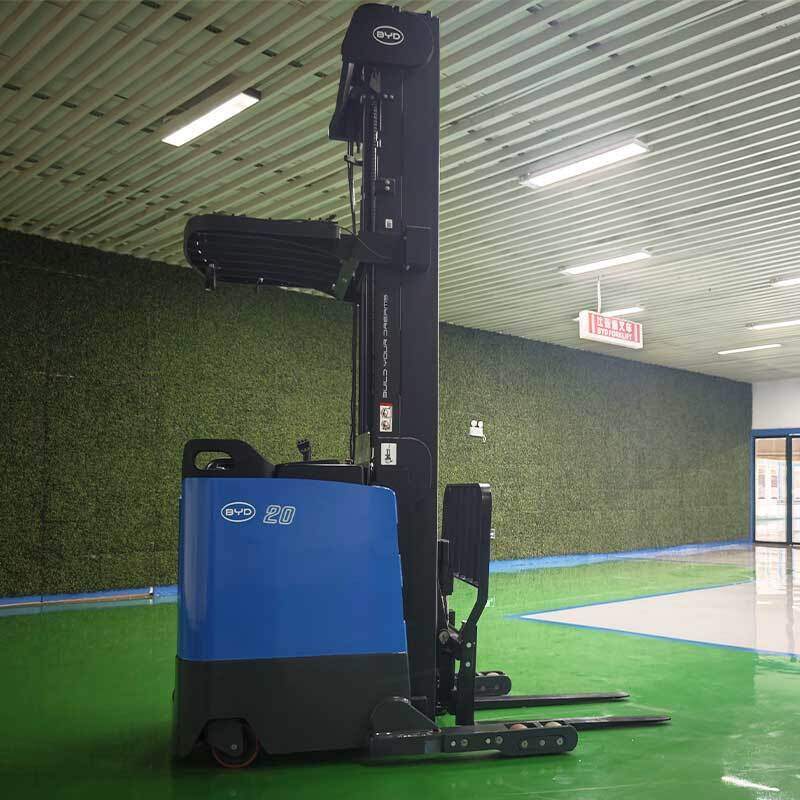
With the rapid development of green logistics and intelligent warehousing, electric forklifts have become one of the most widely used material handling equipment in various industrial scenarios in recent years. Mastering correct operation and maintenance knowledge of this kind of equipment can bring multiple tangible benefits for logistics teams of all sizes.
Core Performance Characteristics of Modern Electric Forklifts
Compared with traditional internal combustion handling equipment, modern electric forklifts produce no local exhaust emission during operation, which can avoid potential pollution to sensitive stored goods including electronic components, food and pharmaceutical products. The low-noise operation design also reduces noise interference in enclosed warehouse spaces, creating a more comfortable working environment for frontline operators. The overall body structure is designed with higher operation flexibility, which can adapt to more working spaces with narrow channels that are not suitable for large heavy equipment. The average energy consumption cost per unit of running time is also relatively lower, which helps enterprises control long-term operation expenditure.
Key Daily Maintenance Specifications for Electric Forklifts
To keep electric forklifts in stable working condition for a longer period, frontline management teams can arrange simple inspection work before each shift. Operators can check the remaining power level of the power unit, the wear condition of driving tires and the sensitivity of the braking and steering system before formal operation. It is not recommended to leave the equipment in over-discharge status for a long time after finishing the daily work, which may cause extra damage to the power supply assembly. The dust and debris accumulated on the surface of the motor heat dissipation area can be cleaned regularly, to ensure the heat dissipation efficiency of the core power component and reduce the probability of unexpected shutdown during peak operation hours.
Scenario Matching Tips for Higher Operation Efficiency
Different from the unified model setting of traditional handling equipment, electric forklifts can be selected according to actual site conditions to reach the best operation effect. For warehouses with high-rise storage racks, operators can choose models with matched lifting height to finish high-position storage and retrieval work smoothly. For low-temperature cold chain storage scenarios, configurations adapted to low-temperature working environments are more suitable to avoid abnormal performance of electronic components under extreme temperature. All operation work should be carried out within the rated load range of the equipment, to reduce hidden safety risks and extend the overall service cycle of the equipment. As the core equipment of modern warehousing system, proper application and management of electric forklifts will continuously promote the overall operation efficiency of the whole material handling process, and support the realization of low-carbon and green logistics development goals.


