
 English
 简体中文
 Русский
 Français
 Português
 Español


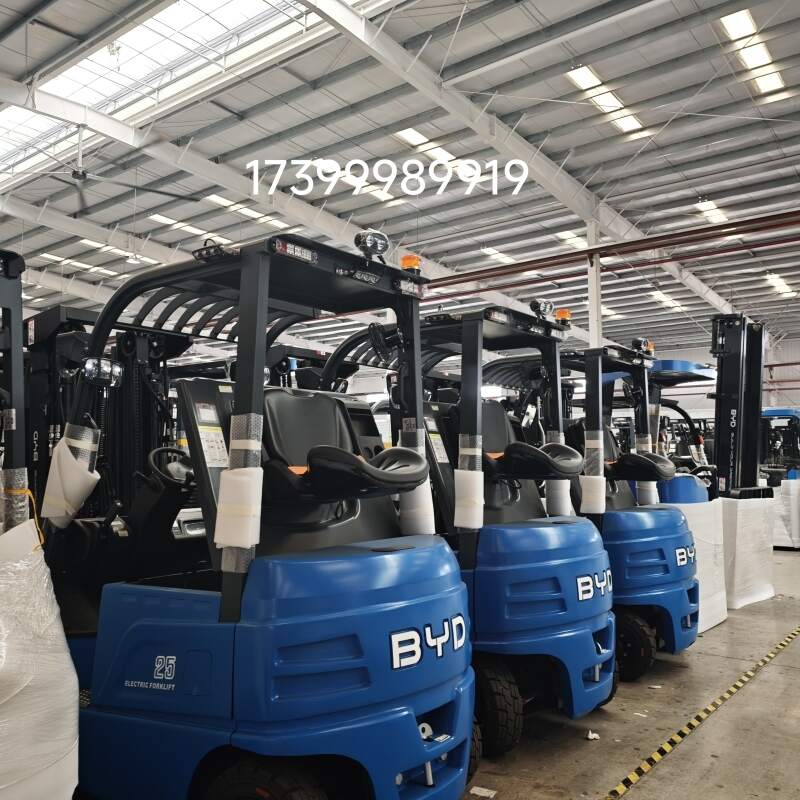
As a senior electric forklift industry practitioner with years of front-line experience in technology popularization and application research, this guide summarizes verified practical insights for all relevant practitioners in logistics, warehouse management and industrial material handling sectors, to help them grasp key points of electric forklift usage without any exaggerated or unsubstantiated claims.
Core Daily Operation Best Practices
Before each shift, operators need to complete standard pre-use checks covering battery status, brake sensitivity, lifting mechanism flexibility and warning indicator performance, to eliminate potential hidden risks in advance. Different from internal combustion forklifts, electric forklifts do not produce exhaust emissions, so they show higher adaptability for long-hour closed-space working scenarios such as indoor warehouses, cold storage and food processing workshops. Operators should strictly follow the rated load limit during operation, and keep the fork at a low height when driving on uneven roads, to avoid rollover risks and reduce unnecessary wear of the power transmission system.
Routine Maintenance Tips for Longer Service Life
Regular daily maintenance of electric forklifts focuses on three core modules: power battery pack, motor drive system and hydraulic lifting unit. For the battery part, operators shall follow official charging specifications to complete full charge cycles in dry, ventilated environment, and avoid frequent deep discharge that drains power to zero. It is recommended to wipe dust and accumulated sundries on motor surfaces and heat dissipation components every 100 working hours, to guarantee stable heat dissipation performance during long-time continuous operation. For the hydraulic system, users need to check the sealing condition of oil pipes and hydraulic oil level regularly, to prevent oil leakage from affecting the stability of lifting operation.
Scenario Adaptation Guidelines for Different Working Conditions
Different working scenarios have different requirements for electric forklift configuration and operation modes. For narrow aisle warehouses with dense shelf layout, models with small turning radius can effectively improve the space utilization rate of the storage area. For outdoor working conditions on non-paved roads, users can select models with proper anti-slip tire performance and sufficient ground clearance to ensure stable passing performance. Practitioners can adjust power output parameters according to actual load and operation frequency, to balance operation efficiency and single-charge battery duration. Proper matching between equipment and actual working scenarios can effectively reduce the overall operation cost of the fleet in its whole service cycle.


