
 English
 简体中文
 Русский
 Français
 Português
 Español


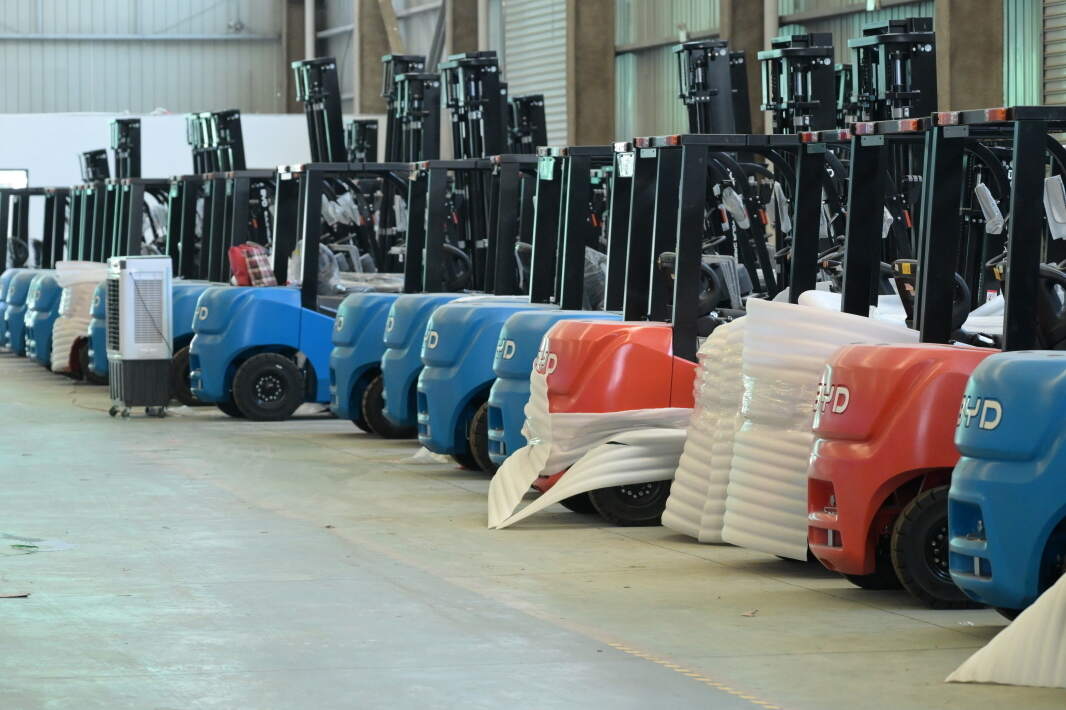
With the growing demand for low-carbon and low-noise material handling solutions in modern warehousing and logistics industries, electric forklifts have become one of the most widely applied industrial handling tools for indoor and closed operation scenarios. Mastering core operation and maintenance knowledge can help operators get more stable performance output and better use experience from this type of equipment.
Core Standard Operation Specifications
Before starting any shift operation, operators need to conduct a full pre-check on key components including braking system, remaining battery power, hydraulic lifting structure and safety warning device, to confirm no hidden risk exists before formal use. During operation, avoid overloading beyond the rated load capacity of the equipment, keep a safe distance with surrounding pedestrians and stacked goods, slow down when passing narrow aisles or turning corners, and never lift or lower the forks suddenly to prevent goods from sliding off the pallet. It is not allowed to carry extra personnel on any part of the equipment during driving, to avoid unnecessary safety accidents.
Routine Maintenance Guidelines for Longer Service Life
After finishing daily operation, operators need to wipe off the dust, residual debris and oil stain attached to the body surface, and park the equipment in the designated ventilated and dry area. Operators should follow official operation instructions to complete battery charging procedures regularly, avoid deep over-discharge that will damage the battery cycle life, and check the battery connection terminals regularly to remove possible corrosion. It is also recommended to check the wear condition of walking tires, the liquid level of hydraulic oil and the flexibility of steering structure on a weekly basis, and arrange troubleshooting in time if any abnormal sign is found, to avoid small faults expanding and causing larger downtime loss.
Practical Strategies for Higher Energy Efficiency
To reduce unnecessary energy consumption, logistics teams can pre-plan a reasonable material handling route before starting work, to reduce invalid repeated driving between operation spots. When the equipment needs to stay for more than 3 minutes during operation, operators can turn off the power system to avoid useless idling energy consumption. For no-load driving scenarios, keep the forks at a low height close to the ground instead of staying in high position, which can effectively reduce extra load on the power system. These small adjustment measures can bring noticeable energy saving effect in long-term use. Following these proper operation and maintenance rules can help enterprises give full play to the advantages of electric material handling equipment, and create a more stable and low-cost operation environment for daily warehouse work.


