
 English
 简体中文
 Русский
 Français
 Português
 Español


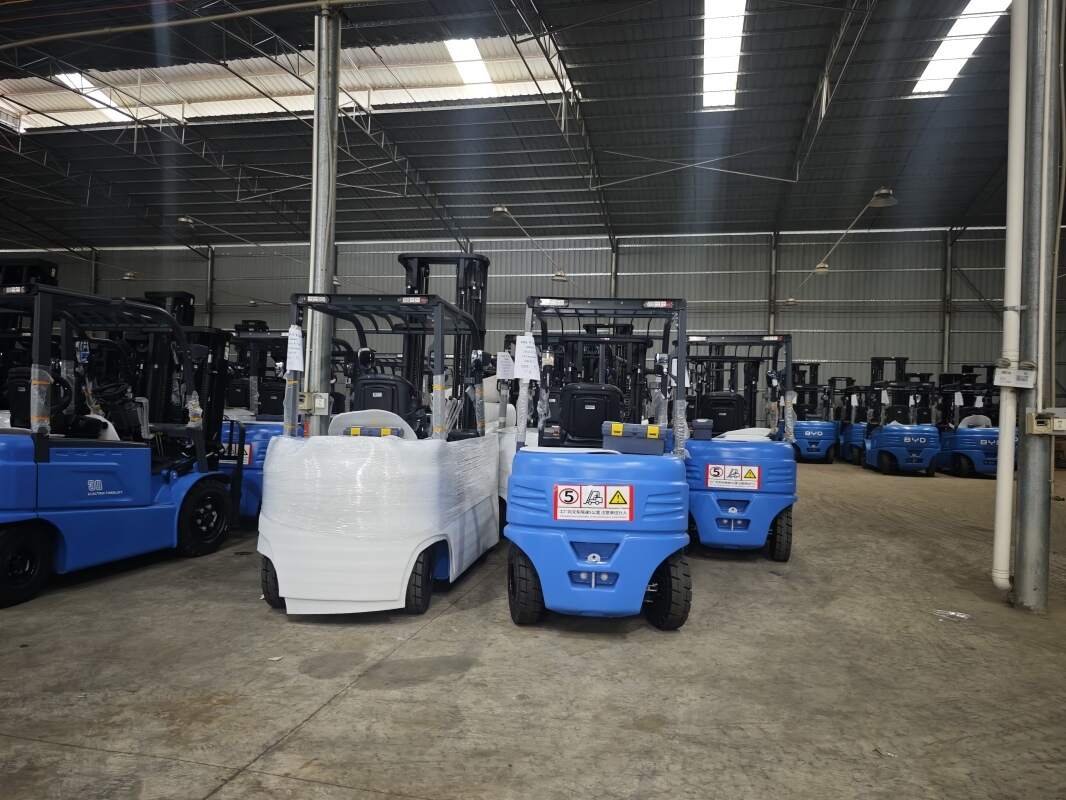
As the core equipment for modern warehouse and industrial material handling, electric forklifts have been widely adopted across various application scenarios for their low noise, zero local emission and relatively low operating cost attributes. Mastering standardized operation and proper maintenance methods can help operators get more stable performance output in daily work, avoid unnecessary unexpected downtime, and extend the full lifecycle of the equipment reasonably.
Core Pre-operation Inspection Protocols
Before starting any formal operation, operators need to complete a set of basic inspection steps following fixed routines. It is advised to check the remaining battery level first, then test the response sensitivity of the braking system, observe whether there is visible leakage on the lifting hydraulic components, check the wear degree of walking wheels, and confirm the operation feedback of all control handles is normal. Operators also need to check the surrounding working area, clear possible obstacles in the planned moving path, and confirm no unrelated personnel enter the preset operation range before starting the vehicle.
Routine Daily Maintenance Best Practices
After finishing the daily operation task, operators should park the vehicle in the designated fixed area, lower the forks to the position close to the ground, turn off the main power supply in time, and arrange proper charging according to the remaining power level to avoid long-term deep discharge. Operators can clean up the dust and scattered material residues on the vehicle surface regularly, especially the ventilation openings of the battery heat dissipation components. It is not recommended to flush the electronic control parts directly with high-pressure water guns, to prevent moisture from entering the circuit and causing hidden faults. Regular checks on the tightness of cable interfaces can also effectively reduce the probability of poor contact.
Operation Skill Optimization for Higher Working Efficiency
Operators can plan the operation path in advance before carrying out handling tasks, to reduce unnecessary steering and empty driving distance as much as possible. When lifting or lowering the forks, keep a smooth and stable speed instead of sudden acceleration or deceleration. It is a good practice to keep the forks at a relatively low height during the loaded moving process, to maintain the low center of gravity of the whole vehicle and improve driving stability. Slow down in advance when turning, keep attention to the dynamics of surrounding pedestrians and other working equipment, and do not operate beyond the rated load range, to avoid extra wear of the power and hydraulic systems.
Potential Risk Identification and Troubleshooting Tips
If operators notice abnormal noise, obvious drop of power output or slower braking response during daily work, they should stop the vehicle in time and contact professional maintenance personnel to check potential issues. It is not suggested to disassemble the core electronic control or hydraulic components without professional guidance. Arrange regular systematic inspection for core parts by professional technicians, replace the wearing parts that reach the wear threshold in time, to avoid small hidden problems evolving into major faults that affect the whole work schedule.


