
 English
 简体中文
 Русский
 Français
 Português
 Español


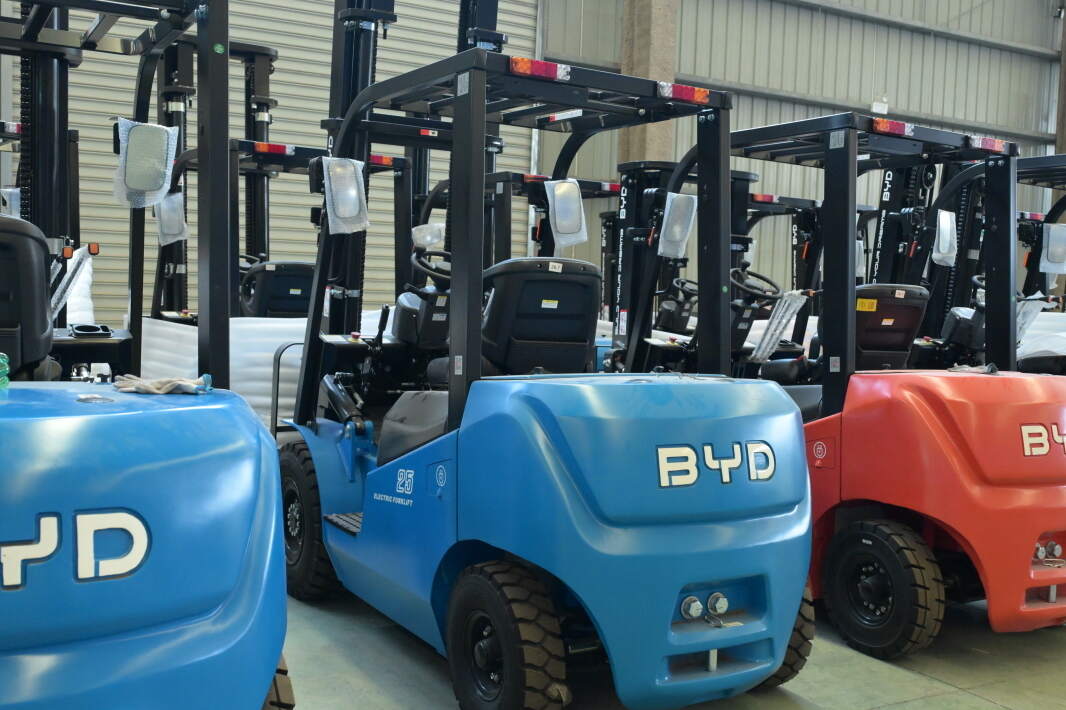
With the rapid development of modern low-carbon logistics, electric forklifts have become one of the most widely used material handling equipment in closed warehouse scenarios across different industries. This guide explains core practical knowledge for operators and warehouse managers to make full use of electric forklift equipment properly.
Core Functional Strengths of Electric Forklifts for Daily Material Handling
Different from traditional internal combustion handling equipment, electric forklifts produce zero local exhaust emissions during the whole operation process, and the overall running noise can be controlled at a relatively low level, which can avoid excessive noise interference to on-site staff and reduce pollution to stored goods. The torque output of the electric power system is smooth and linear, which can reduce the risk of goods bumping and falling during lifting and moving process, and can adapt to the operation requirements of scenarios that have strict standards for environmental cleanliness, such as food storage and pharmaceutical warehousing.
Standard Daily Operation Specifications to Reduce Unnecessary Wear
All on-site operators should complete formal operation training before taking up the post, and never operate the equipment without professional guidance. Before each startup, staff need to check the working status of the braking system, remaining power display and deformation degree of the cargo fork first, and strictly follow the rated load limit of the equipment to avoid overloading. When driving in narrow warehouse aisles, operators should slow down in advance and send out warning signals before turning. During short breaks of operation, staff should not keep pressing the acceleration pedal for a long time, which will cause the power motor to run under high load continuously.
Routine Maintenance Practices to Stabilize Long Term Performance
After the daily operation is finished, staff should park the electric forklift in the designated charging and storage area in time, and it is not recommended to completely consume the remaining power before recharging. Operators need to regularly clean the dust and sundries accumulated on the surface of the motor heat dissipation structure, to avoid poor heat dissipation caused by sundry blockage. After a fixed period of running time, the staff should check the liquid level of the hydraulic oil, replace the aged sealing parts in time if there is signs of leakage, and ensure the stability of the cargo lifting and tilting function. Reasonable operation and regular maintenance can help the operation team reduce the long-term running cost of equipment, and improve the overall smoothness of material handling work.


