
 English
 简体中文
 Русский
 Français
 Português
 Español


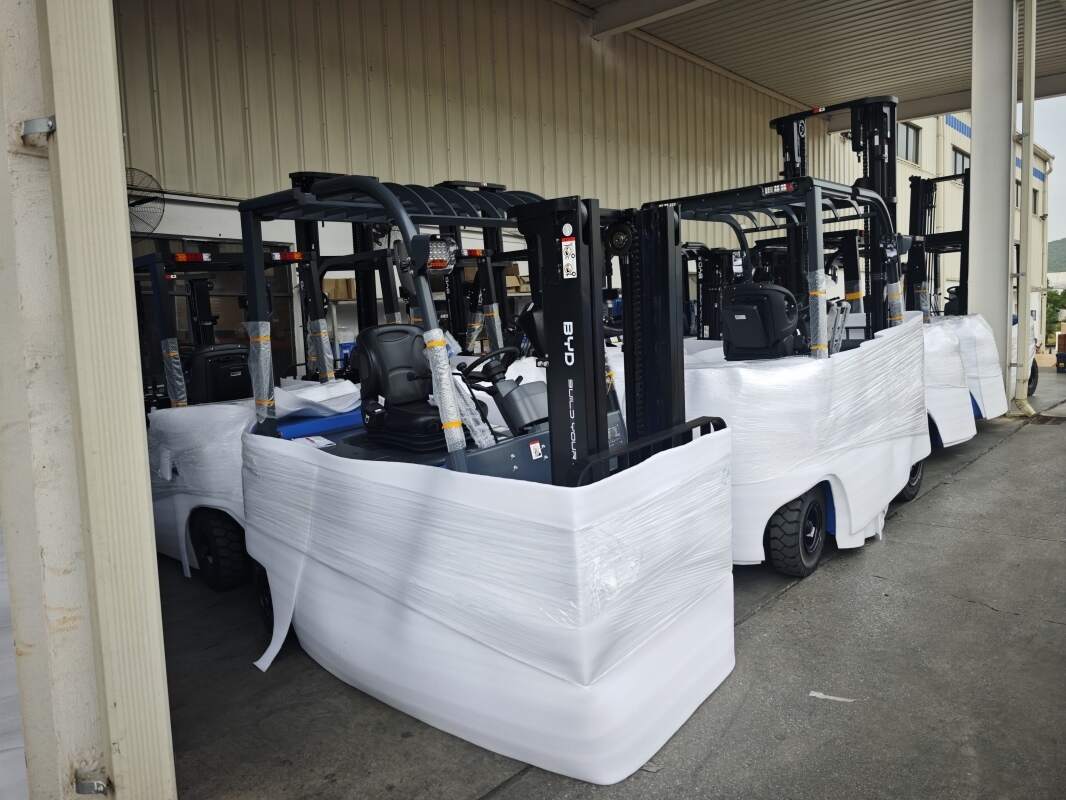
As one of the core low-carbon material handling equipment widely used in modern logistics and manufacturing workshops, electric forklifts have gained increasing popularity for their low noise, zero on-site emission and relatively low operating cost compared with fuel-powered counterparts. Mastering standard use and management rules can help enterprises give full play to the performance of such equipment, reduce unnecessary operating loss, and create stable value for daily material flow work.
Basic Standard Operation Specifications for New Operators
Before formal operation, all personnel need to receive systematic professional training to get familiar with the basic structure, control logic and load limit of the equipment. Operators should complete pre-start checks including battery power status, brake flexibility, fork wear condition and warning device function, and never start the equipment when abnormal signs are found. During operation, keep the running speed matched with the surrounding site conditions, avoid sharp turns and sudden stops, and keep a safe distance with surrounding personnel, shelves and other facilities at all times. Operators should also avoid carrying extra loads beyond the rated range, to prevent rollover or cargo slipping risks.
Scientific Routine Maintenance Rules
Regular targeted maintenance work can effectively reduce unexpected failure rate and extend the overall service cycle of the equipment. For the power system, follow the official recommended charging rules, avoid over-discharging the battery for a long time, and keep the surface of the battery pack clean and dry to avoid potential safety hazards. For the walking and lifting mechanism, regularly check the lubrication status of the transmission parts, add qualified lubricating oil on schedule, and replace worn consumable parts in time according to the actual use frequency, to avoid further damage to related core components.
Scenario Adaptation to Improve Operational Efficiency
Enterprises can adjust the use mode of electric forklifts according to their own site conditions, material weight and handling route layout. For narrow aisle scenes, choose matching corresponding body size parameters, to make full use of the limited space of the warehouse. For long-time continuous operation scenarios, arrange reasonable shift handover and battery swapping plans, reduce unnecessary waiting time in the workflow, and effectively promote the overall turnover efficiency of warehouse materials. Such reasonable layout can help enterprises obtain better return on equipment investment without extra unnecessary cost input.


