
 English
 简体中文
 Русский
 Français
 Português
 Español


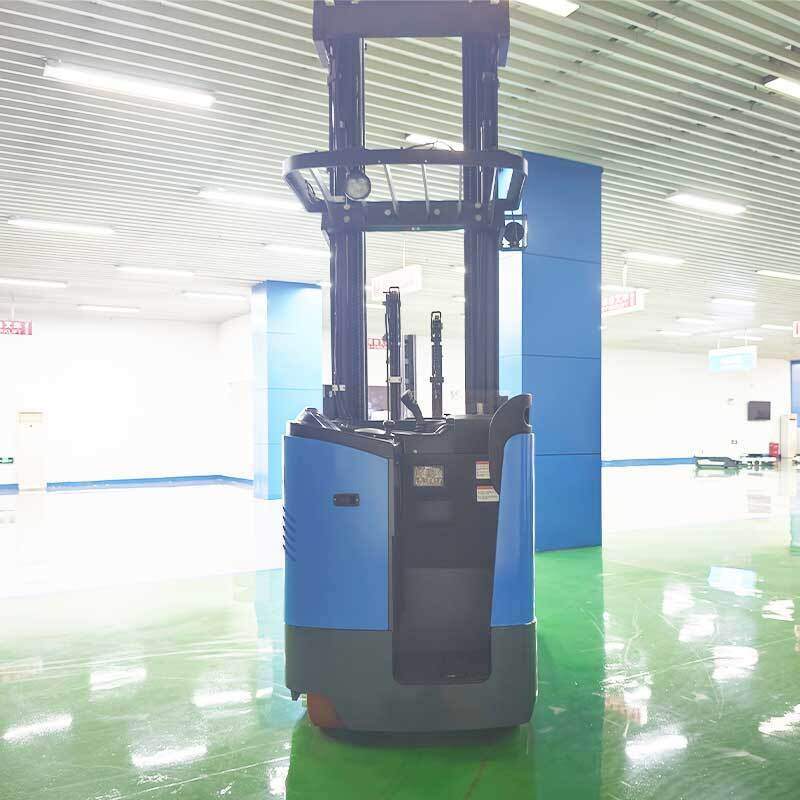
Against the backdrop of growing demand for low-carbon and efficient logistics operations, electric forklifts have become one of the most widely used material handling equipment across different industrial scenarios in recent years. For most warehouse and logistics operators, mastering core knowledge of electric forklift operation and maintenance can help maximize the equipment’s value in daily work.
Core Performance Characteristics of Modern Electric Forklifts
Different from traditional fuel-powered handling equipment, modern electric forklifts run on stored electrical energy, which produces no exhaust emission during operation, and generates far lower working noise that will not cause disturbance to indoor working staff. The power output of electric forklifts keeps relatively stable across different load ranges, which can ensure smooth lifting and moving of goods without sudden speed change. Most models are designed with compact body size, which can adapt to narrow passageways in dense storage warehouses, and meet different load requirements from 1 ton to 5 tons for daily material handling tasks.
Routine Maintenance Guidelines for Electric Forklifts
Proper daily maintenance can effectively extend the service life of electric forklifts and reduce unexpected downtime. Operators are suggested to check the remaining power and battery connection status before each shift, avoid full discharge of the power battery to prevent irreversible performance attenuation. It is also necessary to regularly clean the dust and sundries on the heat dissipation part of the motor, check the tightness of the hydraulic oil pipeline and the flexibility of the brake system, and arrange professional inspection of internal circuit components on a regular basis. Do not park the equipment in a place with extreme high or low temperature for a long time, which can help keep the equipment in good working condition for a long time.
Scenario-based Operation Optimization Suggestions
For different application scenarios, operators can adjust the operation mode of electric forklifts to get better using experience. For indoor enclosed storage scenarios, operators can choose low-speed operation mode to reduce energy consumption, and avoid sharp turn or sudden brake to prevent goods from falling. For low-temperature cold storage scenarios, it is recommended to take preheating measures for the battery before entering the working area, and reduce the continuous working time inside the low-temperature space properly. For short-distance outdoor handling scenarios, operators should avoid running the equipment on uneven roads for a long time to reduce wear of the tire and chassis.


