
 English
 简体中文
 Русский
 Français
 Português
 Español


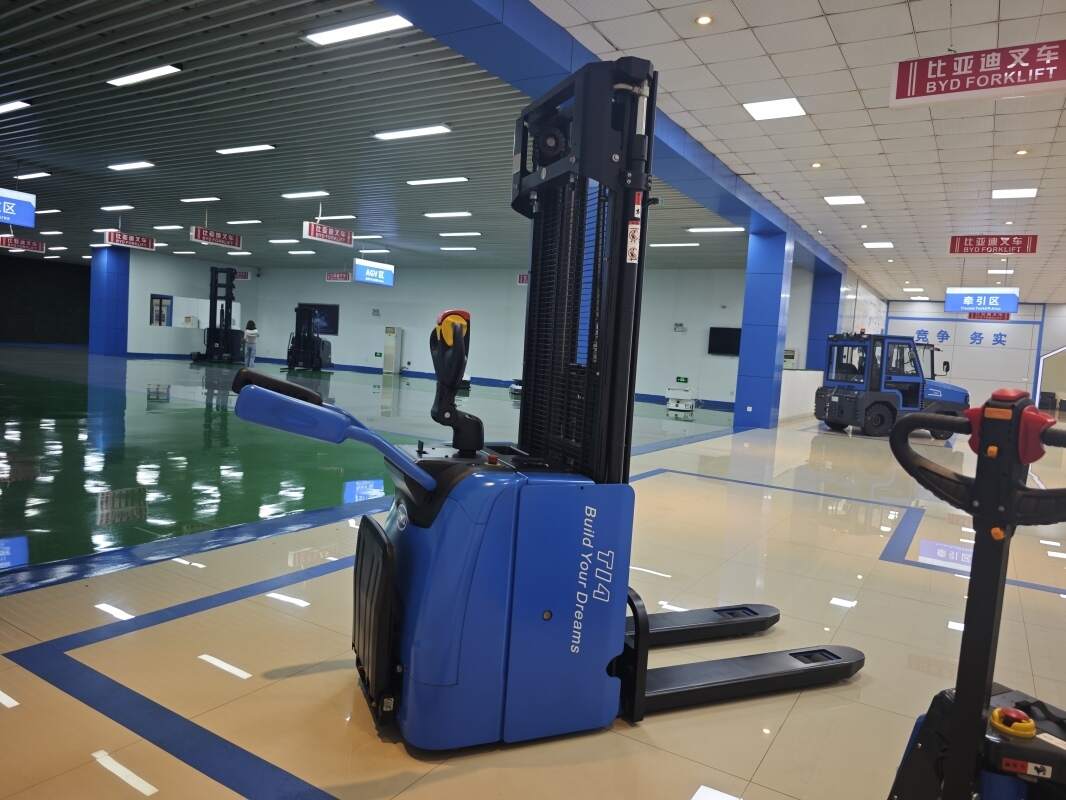
As low-carbon logistics development accelerates across the global material handling sector, electric forklifts have become one of the most widely adopted handling equipment in indoor warehouses, distribution centers and light industrial production scenarios. This guide summarizes verified practical knowledge from years of industry practice to help relevant practitioners grasp core operation and maintenance points correctly.
Core Functional Advantages of Standard Electric Forklifts
Different from fuel-powered counterparts, standard electric forklifts generate zero tail gas emission during operation, with relatively low overall noise level that fits enclosed indoor working environments well. Most current models adopt energy storage units that support long continuous working hours after full charging, which can meet the basic handling demands of most medium and small logistics scenarios without frequent energy supplement. The overall operation logic of electric forklifts is relatively simple, which reduces the learning threshold for new operators to a large extent.
Standard Daily Operation Specifications
Before starting the equipment every shift, operators need to conduct basic check on key components including brake system, steering structure, lifting mechanism and remaining power level, to confirm no obvious abnormal condition exists. During moving process, operators need to keep the load within the rated load range, avoid sharp turning or sudden braking at high speed, and keep a safe distance with surrounding staff and obstacles in the working path. When stacking or unstacking goods at height, operators need to keep the body stable, avoid standing under the lifting fork frame, and adjust the fork distance reasonably to keep the load center at the middle position of the two forks.
Routine Maintenance Tips
After finishing daily working tasks, operators need to clean the dust and sundries attached to the equipment surface and key moving parts in time, check the abrasion condition of tires and transmission components regularly, and arrange professional personnel to conduct targeted inspection on energy storage units and motor parts according to specified cycle. It is recommended to place the equipment in dry, ventilated and cool storage area when it is not in use for a long time, and keep the energy storage unit at reasonable power level to avoid performance attenuation caused by long-term full power or zero power storage.
Necessary Safety Management Rules
All operators need to receive corresponding professional training before taking up the post, and follow the local safety operation regulation for industrial handling vehicles strictly. It is not allowed to operate the electric forklift beyond the applicable scenario limit, or modify the equipment structure and performance parameters without official professional guidance. Regular hidden danger inspection can effectively reduce the occurrence of unexpected operation faults, and create a more stable and efficient material handling working environment.


