
 English
 简体中文
 Русский
 Français
 Português
 Español


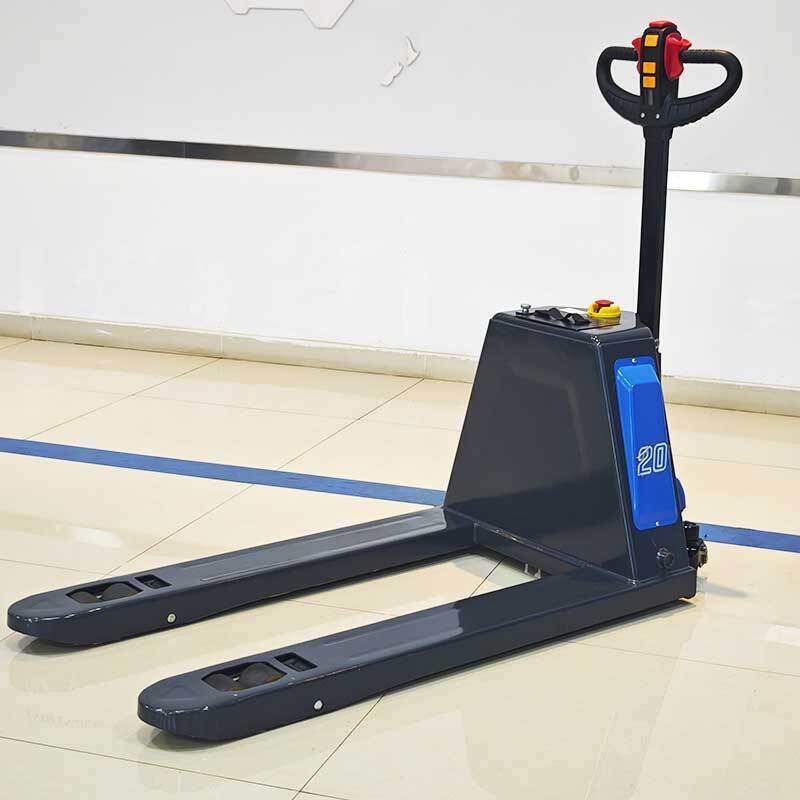
As the low-carbon transformation of industrial logistics and warehouse management accelerates, electric forklifts have become one of the most widely used material handling equipment across different industrial scenarios, bringing notable value for operation teams to adjust their workflow and reduce long-term operation costs. Many new operators and warehouse managers still lack systematic, practical knowledge to maximize the value of this equipment properly.
Core Performance Characteristics of Electric Forklifts
Unlike internal combustion counterparts, modern electric forklifts rely on stored battery power to provide lifting and driving force, with no direct exhaust emission during normal operation. Their overall noise level is significantly lower than fuel-powered equipment, making them suitable for enclosed indoor spaces, food processing workshops, and scenarios with strict environmental protection requirements. Most current models support adjustable operation sensitivity to adapt to different load weights and site conditions, without extra fuel supply links that take up extra storage space.
Standardized Daily Operation Guidelines
Before starting each shift, operators need to conduct a pre-shift check covering the remaining battery level, lifting chain tightness, brake response, and tire surface condition, to rule out hidden risks in advance. During operation, staff need to avoid sharp acceleration or sudden steering when carrying full-load goods, and keep a safe distance from surrounding personnel and obstacles in narrow warehouse aisles. It is not recommended to lift people directly using the forks as a temporary lifting platform, which may trigger unnecessary safety hazards.
Routine Maintenance Best Practices
To extend the whole service life of the equipment, the power battery should be charged in a designated ventilated area, and avoid long-term over-discharge that may damage the internal cell structure. Operators need to wipe the dust and sundries on the surface of the equipment and heat dissipation components after finishing daily work, and regularly check the lubrication condition of all movable connection parts. If any abnormal noise or unresponsive function appears during use, staff should stop operation and contact professional technical support personnel for inspection in time, instead of dismantling the structure without authorization.
Efficiency Optimization Skills for Daily Scenarios
Enterprises can arrange the charging schedule of different electric forklifts according to their actual peak operation periods, to avoid equipment shortage caused by concentrated charging during the busiest hours. Adjust the placement of frequently accessed goods to a proper height that matches the conventional lifting range of the electric forklift, to reduce unnecessary repeated lifting actions. Teams can also organize regular safety operation training for frontline staff, to help all operators form stable operation habits that reduce equipment wear and improve overall handling efficiency.


