
 English
 简体中文
 Русский
 Français
 Português
 Español


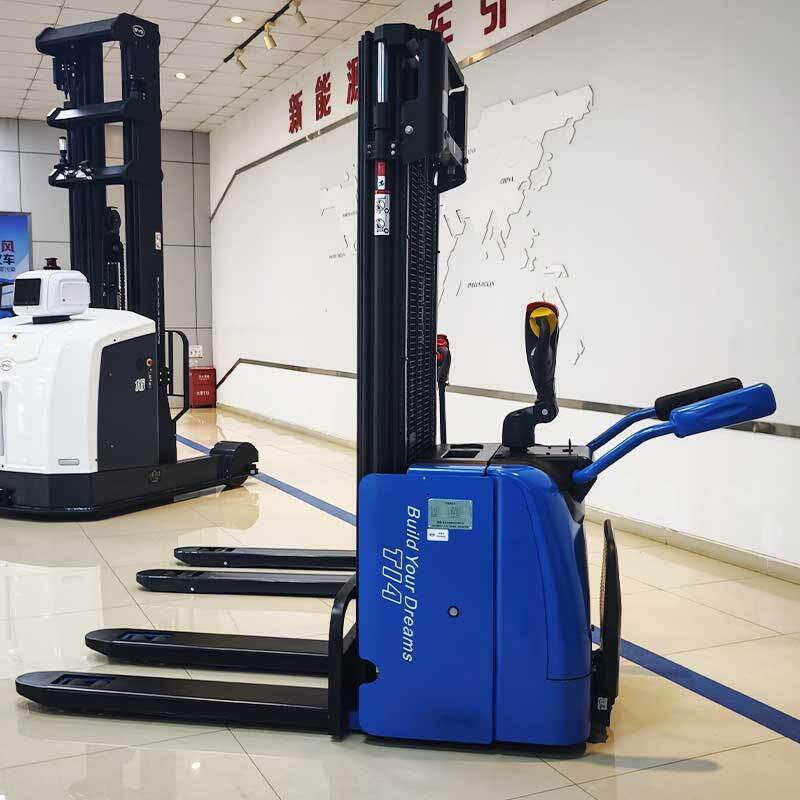
As the low-carbon warehousing and logistics sector develops steadily, electric forklifts have become one of the most popular material handling equipment for closed indoor working scenarios, and mastering systematic professional knowledge about its use and management can bring obvious practical value for the daily operation of related enterprises.
Core Advantages of Modern Electric Forklifts
Different from traditional internal combustion counterparts, electric forklifts are powered by battery packs, and produce no exhaust emissions during the whole operation process, which fits the use requirements of scenarios such as food storage, pharmaceutical warehousing that have high standards for indoor air quality. Its overall operation noise level is far lower than fuel-powered equipment, which can reduce noise interference to on-site staff in closed warehouse spaces, and help maintain a more comfortable working environment for operators who undertake long-shift tasks.
Standardized Daily Operation Practices
Before the start of each working shift, operators need to carry out a basic inspection for key components including the braking system, lifting mechanism and tire wear status, to eliminate potential hidden risks before the equipment is put into formal use. During the operation process, operators need to keep the actual load within the rated load range of the equipment, avoid sharp steering and sudden acceleration actions when carrying heavy cargos, and maintain a safe distance from surrounding shelves, passing staff and other operating facilities, to avoid accidental collisions that may lead to unnecessary equipment damage or cargo loss.
Routine Maintenance Points for Extended Service Life
The regular maintenance work of electric forklifts mainly focuses on the battery pack, power motor and central control system. Operators need to complete charging work in accordance with specified standard procedures, avoid over-discharging the battery to an excessively low residual power level, which will generate negative impact on the overall cycle life of the battery pack. It is also necessary to regularly clean the accumulated dust and sundries on the surface of the motor and heat dissipation structure, to keep the power system in a good heat dissipation state during long-time continuous operation.
Energy Efficiency Optimization Tips for Long-term Operation
Warehousing operation teams can arrange the working routes of electric forklifts reasonably according to the daily material handling volume, reduce the no-load driving time of the equipment as much as possible, and arrange the centralized charging work in non-working peak periods, which can make full use of power grid resources, and also ensure the equipment has sufficient continuous working time in the peak working window. Adjusting the corresponding power output mode for different application scenarios can also effectively reduce unnecessary power consumption, and improve the overall operation efficiency of the whole material handling process.


