
 English
 简体中文
 Русский
 Français
 Português
 Español


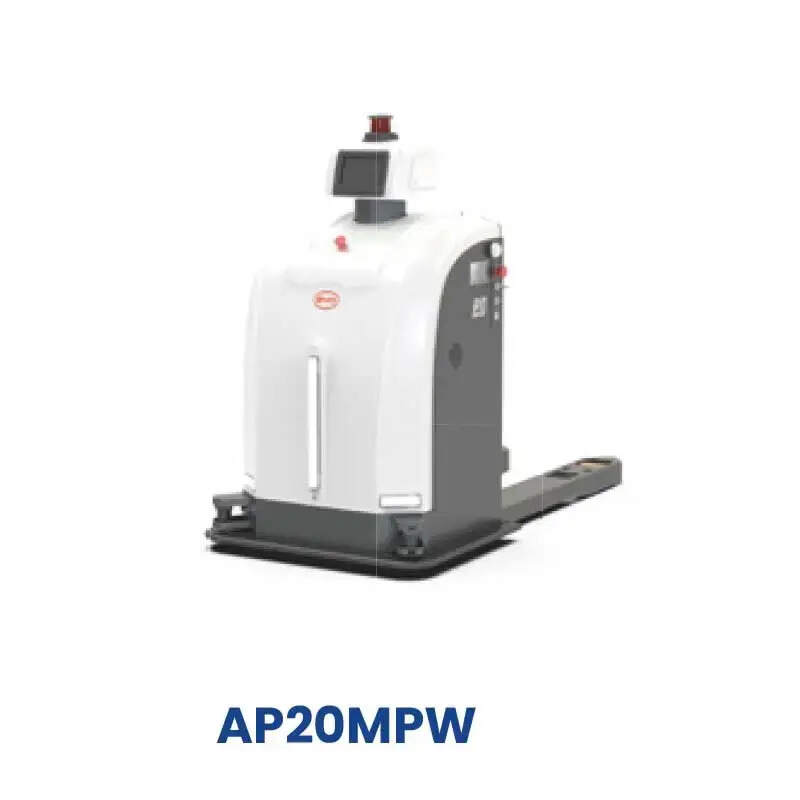
In current warehouse logistics, manufacturing factory zone and other material handling scenarios, electric forklifts have become widely recognized core working equipment. Compared with traditional internal combustion powered handling devices, electric forklifts have distinct operating characteristics, and mastering scientific application and management logic helps operation teams fully tap the value of the equipment.
Core Functional Advantages of Modern Electric Forklifts
Driven by energy storage units to output power, this type of equipment produces no exhaust emission during operation, which is highly suitable for closed indoor working environments. Its overall operating noise is far lower than that of traditional internal combustion powered equipment, reducing long-term auditory impact for frontline operators. The power output response of most regular models is smooth and stable, and new operators can get familiar with basic operation after receiving systematic pre-job training to finish conventional handling tasks properly.
Practical Routine Maintenance Protocols
Different from internal combustion powered forklifts, daily maintenance of electric forklifts does not require complex checks for fuel supply and exhaust emission related components. Operation staff can regularly inspect the connecting contacts of the energy storage unit to eliminate possible oxidation traces, clear dust and sundries on the contact surfaces, check the wear degree of walking mechanism tires, and confirm that the hydraulic oil level of the lifting system stays within a reasonable range. After each shift, park the equipment in the designated ventilated area, connect the standard charging device to supplement power, and avoid storing the energy storage unit in low power state for a long time, which can effectively extend the service life of core components and reduce the overall long-term operation cost.
Standardized Safety Operation Tips
Operators need to complete formal pre-job training before taking posts, get familiar with the rated load parameters of the operating equipment, and never carry irrelevant personnel on the lifting forks. During operation, keep the driving speed within the safety limit of the working scenario, sound the horn in advance when turning at narrow aisles, and slow down properly when passing sections with accumulated water or slippery debris. Check the functions of safety warning lights and reverse prompt sound regularly to reduce the risk of collision or tipping over, so as to further improve the overall material handling efficiency.
Matching the use and maintenance scheme with the actual demands of specific working scenarios can give full play to the application value of electric forklifts, and provide stable support for the smooth operation of daily logistics processes.


