
 English
 简体中文
 Русский
 Français
 Português
 Español


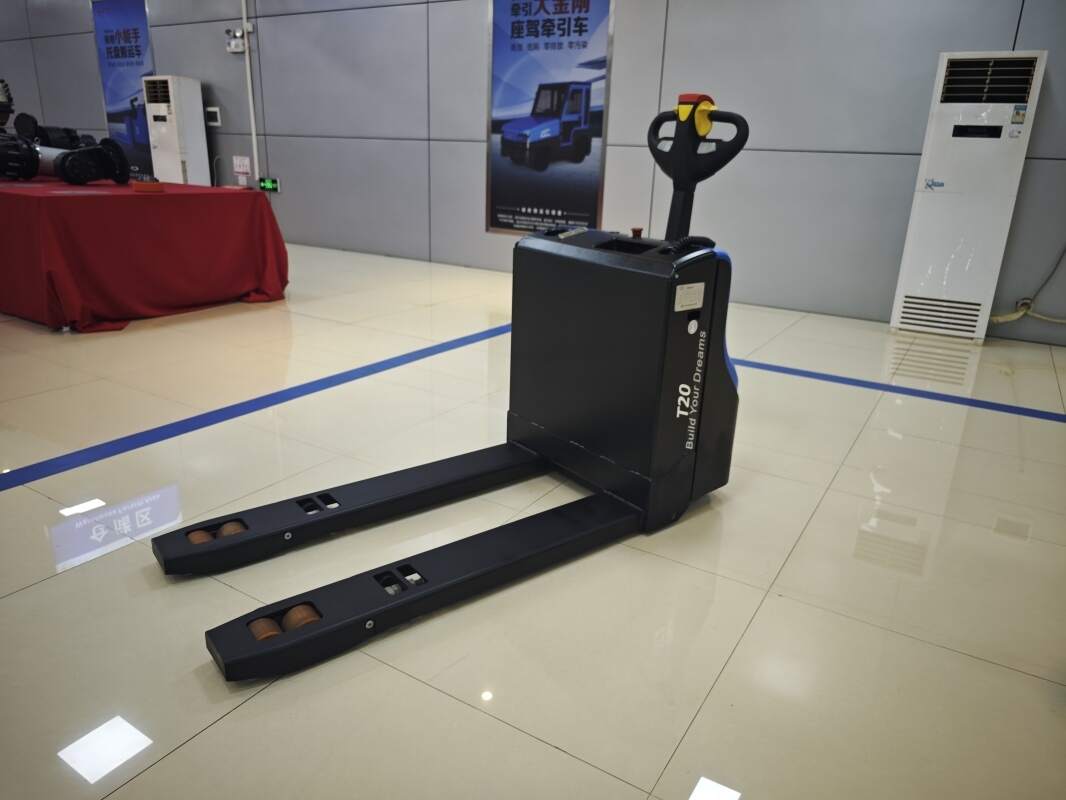
As low-carbon logistics development gains wider popularity across the industrial sector, electric forklifts have become a primary choice for most indoor and enclosed material handling scenarios due to their zero direct emission, low noise and flexible operation features. This guide sorts out practical, industry-recognized application rules for relevant practitioners to reference.
Core Performance Features of Modern Electric Forklifts
Different from internal combustion powered counterparts, current mainstream electric forklifts adopt energy storage drive systems that output stable torque at low speed, which can adapt to frequent start-stop, short-distance transfer operations in narrow warehouse aisles. The whole structure has fewer vulnerable moving parts related to fuel supply and exhaust treatment, bringing relatively lower post-use operation threshold for frontline operators, and the overall operation noise level meets the indoor workplace environmental protection requirements.
Standard Daily Operation Specifications
Before each shift, operators need to conduct basic checks on the remaining power of the energy storage unit, the flexibility of brake and steering system, and the intact status of load forks. During the operation process, the load weight should be controlled within the rated load range marked on the nameplate, and sudden steering or sharp braking when carrying high-position suspended loads should be avoided. After each shift, the equipment should be parked in the designated area, the operating handle should be reset, and the energy storage unit can be connected to the dedicated charging facility for replenishment if necessary.
Routine Maintenance Points for Long-term Use
Regular cleaning of the dust and accumulated goods debris on the body, especially the heat dissipation structure of the drive motor and the connecting interface of the energy storage unit, can avoid abnormal heat accumulation during long-time operation. The wear degree of walking wheels and transmission parts should be checked at a fixed cycle, and corresponding lubrication or adjustment work should be carried out according to the operation manual requirements. It is not recommended to store the equipment in a humid, high temperature environment for a long time, to prevent unnecessary damage to the electrical control components, and extend the overall service cycle of the whole equipment.


