
 English
 简体中文
 Русский
 Français
 Português
 Español


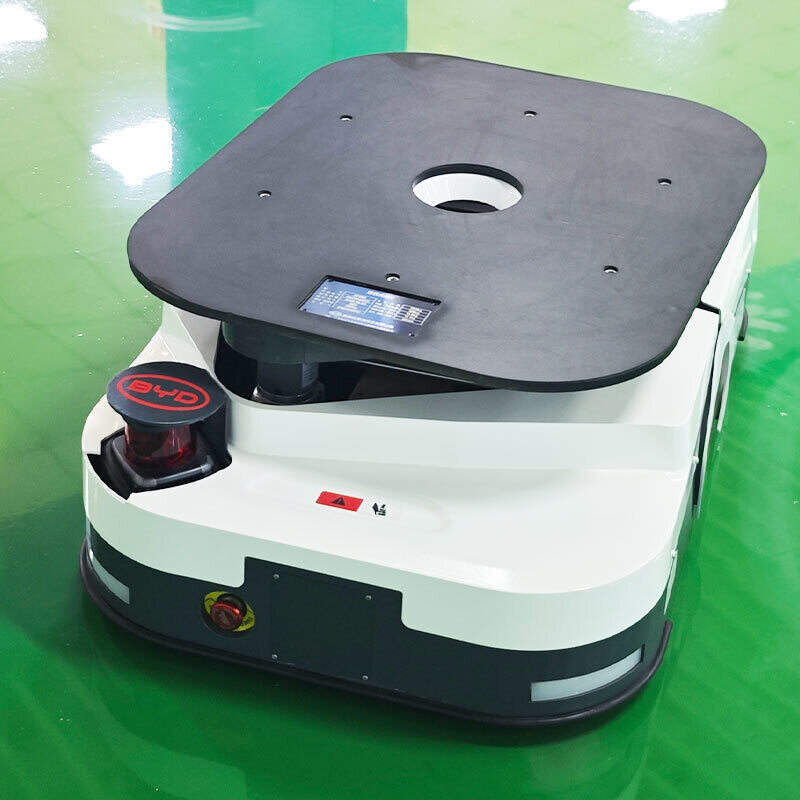
As low-carbon industrial logistics development gains steady momentum worldwide, electric forklifts have become a widely accepted mainstream option for most indoor and semi-outdoor material handling scenarios, replacing a large share of traditional internal combustion counterparts in recent years. This guide shares industry-recognized practical knowledge for daily operation and routine management, to help relevant practitioners get more stable performance from such equipment.
Core Application Scenario Adaptation Features
Unlike fuel-powered models, electric forklifts produce no exhaust emission during full operation, which makes them highly suitable for enclosed spaces such as food processing workshops, pharmaceutical storage areas, and e-commerce fulfillment centers that have strict requirements for ambient air quality. Most standard models support flexible adjustment of load capacity and maximum lifting height, to match different pallet specifications and high-level shelf storage needs. Operators can adjust running speed and steering sensitivity through simple control panels, to adapt to narrow passage operation conditions where pedestrian flow is relatively concentrated.
Routine Maintenance Best Practices
Proper daily inspection can effectively extend the service life of key components of electric forklifts, including the power battery, driving motor and transmission system. Before each shift, operators can check the remaining power level, the flexibility of lifting components, and the effectiveness of the braking system, to eliminate potential hidden risks in advance. It is recommended to arrange regular professional inspection every 300 to 500 working hours, to clean the dust accumulated on the heat dissipation module, and calibrate the operating parameter settings according to actual usage frequency. Avoid over-discharging the power battery in daily use, which can reduce unnecessary battery performance attenuation.
Operation Efficiency Improvement Tips
To maximize the working performance of electric forklifts, logistics site managers can reasonably plan the operation route according to the distribution of storage areas, reduce unnecessary long-distance driving and frequent steering operations. Training for new operators should cover the basic performance parameters of the equipment, so that they can master the correct operating posture in a short period of time, avoid misoperation that causes damage to goods or equipment. Under normal use conditions, the overall operating cost per unit working hour of electric forklifts is relatively lower than that of traditional internal combustion models, bringing stable long-term value for material handling teams.


