
 English
 简体中文
 Русский
 Français
 Português
 Español


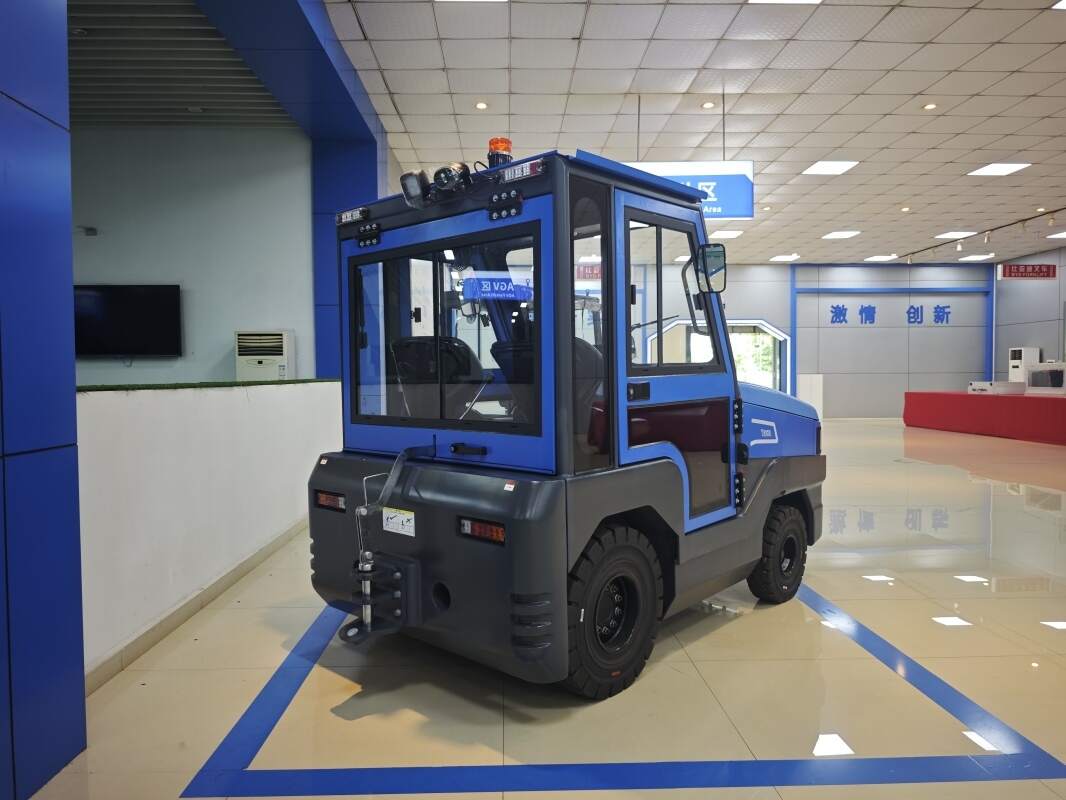
Electric forklifts have become one of the most widely used material handling equipment in modern warehousing, manufacturing and distribution scenarios, for their low noise, zero local emission and relatively low long-term operation cost compared with internal combustion counterparts. Mastering correct use and maintenance rules can help operation teams give full play to the equipment’s performance, reduce unnecessary wear and lower comprehensive operation cost in daily use.
Core Pre-operation Check Points for Electric Forklifts
Before starting any shift, operators need to complete a series of basic checks to eliminate hidden risks in advance. First, check the remaining power level of the battery pack, confirm that the charging interface is free of loose connection or corrosion traces, and the power line surface has no obvious cracks or damage. Next, check the braking system, steering sensitivity, lifting mechanism flexibility and tire wear condition, to make sure all key components can work under normal status. Operators also need to check the warning lights, horn and other safety auxiliary components to confirm they can send clear prompt signals when needed.
Standard Operation Norms for Daily Use
During operation, operators need to strictly follow the load capacity mark of the equipment, do not carry over-weight goods that exceed the rated load range for a long time, as overloading will bring extra pressure to the motor, hydraulic system and supporting structure. When turning in narrow warehouse aisles, operators need to slow down properly, pay attention to the surrounding passing staff and stacked goods, and avoid sharp steering at high speed. When lifting goods to a high position, do not tilt the fork arm forward too much, keep the goods stable to prevent dropping, and do not carry people with the fork arm at any time.
Routine Maintenance to Optimize Equipment Status
After finishing the daily operation task, operators need to park the equipment at the designated charging area, lower the fork arm to the lowest horizontal position, turn off the total power supply and finish the basic cleaning work. Regularly clean the dust and sundries accumulated on the surface of the motor and heat dissipation structure, check the electrolyte level of the battery pack in regular cycles, and replenish distilled water according to the operation manual requirements when the level is lower than the standard range. Do not leave the battery in full discharge status for more than 24 hours, which will cause irreversible impact on the overall battery capacity.
Typical Improper Operations to Avoid
Many unnecessary equipment faults are caused by long-term small improper operations. For example, do not frequently step on the acceleration and brake pedal in a short time in non-emergency scenarios, which will increase extra wear of the power system and braking parts. Do not park the equipment in areas with heavy rain, heavy corrosive vapor or high temperature for a long time, which will accelerate the aging of the rubber parts and circuit components. Following these basic guidance can help the equipment keep stable operation status for a longer period, and support the smooth progress of daily material handling work.


