
 English
 简体中文
 Русский
 Français
 Português
 Español


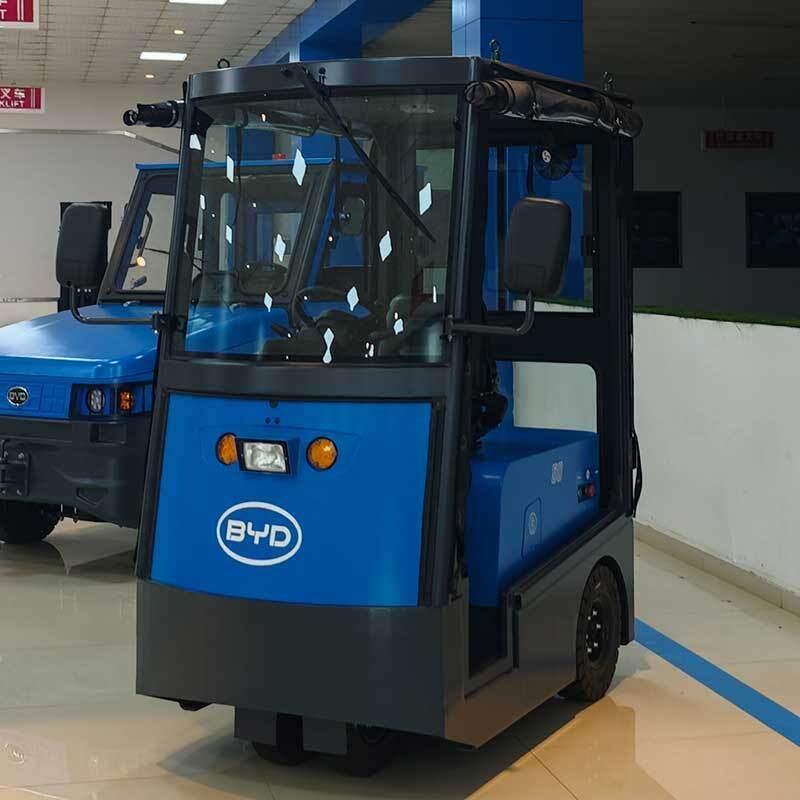
Against the background of accelerating low-carbon transformation in the industrial logistics sector, electric forklifts have become one of the most widely used material handling equipment in various warehousing, manufacturing and distribution scenarios in recent years. Mastering correct operation and maintenance methods can effectively bring into play the application value of the equipment, while avoiding unnecessary operation risks and cost losses.
Core Performance Characteristics of Electric Forklifts for Daily Use
Different from traditional internal combustion handling equipment, electric forklifts rely on power battery drive system to complete all walking, lifting and load handling actions. The equipment produces almost no exhaust emissions during operation, and the overall noise level is much lower than that of fuel-powered equipment, which can well meet the environmental protection requirements of enclosed operation spaces such as indoor warehouses, food processing workshops and pharmaceutical storage areas. Its overall operating cost per unit running time is relatively stable, without the fluctuation caused by fuel price changes in long-term use.
Standardized Daily Operation Requirements for Operators
Before starting each shift of operation, operators need to complete a series of pre-inspection work, including checking the remaining power level, the flexibility of steering and braking systems, the wear condition of forks and lifting chains, and the integrity of all safety warning accessories. During the operation process, operators need to control the load weight strictly within the rated load range, avoid sudden acceleration or sudden braking actions when carrying goods, and keep the goods at a proper low height when driving to prevent the goods from falling and causing safety risks. After the daily operation is finished, operators need to park the equipment in the designated parking area, lower the forks completely to the ground, and cut off the main power supply of the equipment.
Key Points of Routine Maintenance Management
Regular maintenance work can effectively extend the stable service life of electric forklifts. The core of maintenance work focuses on the regular detection of the power system, the cleaning of dust accumulation on the surface of the motor and circuit board, and the regular lubrication of all moving connection parts. Operators need to follow the corresponding operation specifications to complete the charging work, avoid long-term over-discharge of the battery, and avoid exposing the battery to high temperature or supercooled environment for a long time. When abnormal operation phenomenon is found, related personnel need to stop the operation in time and arrange professional inspection, instead of running the equipment with hidden risks. Enterprises can adjust the use and management rules of electric forklifts according to their actual operation scenarios, to maximize the matching degree between equipment performance and actual material handling demands.


