
 English
 简体中文
 Русский
 Français
 Português
 Español


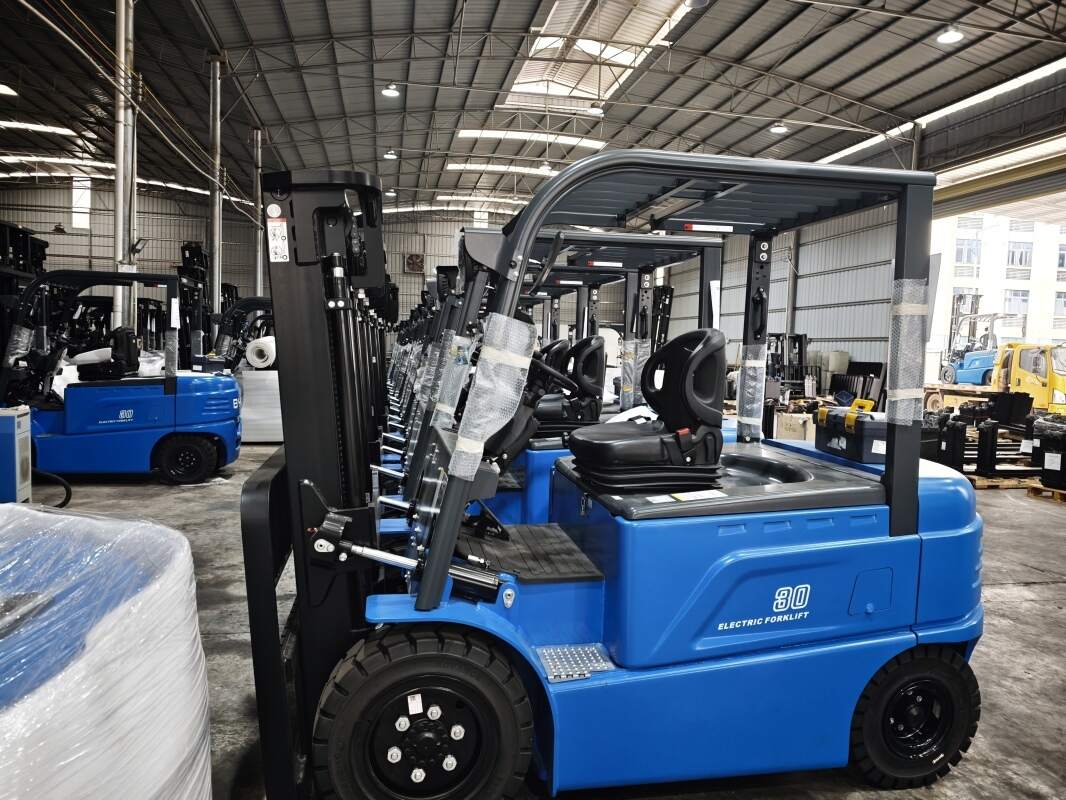
As a core low-emission material handling equipment widely adopted across modern logistics, manufacturing and retail storage scenarios, electric forklifts have gained growing popularity for their low noise output, zero on-site exhaust emission and relatively flexible operation threshold. For frontline operators, storage managers and equipment management personnel, mastering correct operation and maintenance rules can fully release the application value of this kind of equipment, while avoiding unnecessary operation risks.
Core Performance Traits of Modern Electric Forklifts
Different from traditional internal combustion forklifts, electric forklifts are powered by rechargeable battery packs, with most of their power transmission systems adopting highly integrated motor structures. The overall vibration and noise level during operation is significantly lower than that of fuel-powered counterparts, making them more suitable for long-hour indoor closed scenarios with high personnel density. Their structure usually sets the center of gravity at a relatively low position, which brings better lateral stability under regular load bearing conditions, and will not produce exhaust fumes that pollute indoor air in confined storage spaces.
Standard Daily Operation Specifications
Before starting the equipment each shift, operators need to conduct a routine inspection covering the remaining battery power, the flexibility of lifting and tilting mechanisms, the sensitivity of brake systems and the normal working state of warning lights. During the operation process, operators should control the driving speed within the range that matches the site condition, avoid sharp turning with full loads, and never allow personnel to stand or walk under the lifting forks. When parking, it is necessary to lower the forks to contact the ground, pull up the hand brake and cut off the main power supply before leaving the operating position.
Rational Maintenance Tips for Extended Service Life
Regular targeted maintenance can effectively reduce the failure rate of electric forklifts. For the battery pack, personnel should follow the official charging process requirements, avoid over-discharging the battery to extremely low power level, and keep the surface of the battery pack dry and clean during daily storage. For transmission and moving parts, regular lubrication according to the use frequency can reduce abnormal wear of components. Professional technicians should carry out systematic full inspection at fixed intervals to spot hidden problems in time, so as to keep the equipment in stable working condition for a longer period.


